Fungus horizon
- Photographer
- François Guay
Université Laval
- Pauline Hessenauer
Université Laval
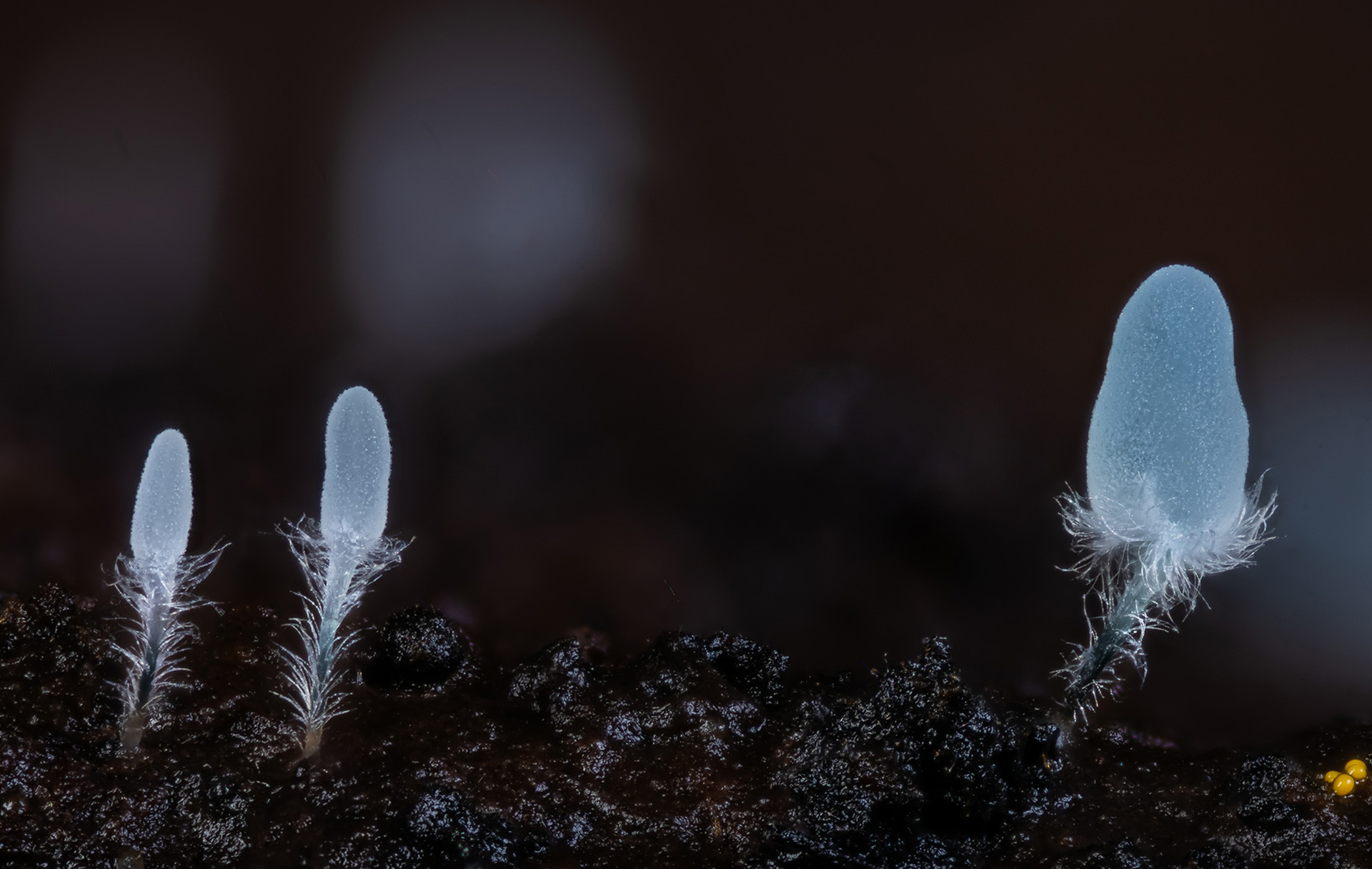
Here’s a species of mushroom never before described by science, discovered in Lévis in autumn 2023. This new mushroom is classified in the Clavariaceae family, but the species has yet to be named: scientific documentation is still underway. The image reveals its elongated shape and downy hairs, reminiscent of tiny feathers. The specimens, spotted on the bark of a dead tree, are barely 1 mm high. Their bluish hue is spectacular—a colour rarely seen in nature. This close-up highlights the unsuspected complexity of this microscopic world.
Combination of 150 digital photographs
At the core of flight: Engineering turbine endurance

- Photographer
- Andre Mayer
Concordia University
- Toukir Ahmed
Concordia University
- Amit Roy
Concordia University
- Pantcho Stoyanov
Concordia University
Gas turbine engines are a key element of modern transportation, powering aircraft with remarkable efficiency. But creating these engineering marvels requires special alloys. This image showcases the colourful surface of a cobalt-based alloy after testing at 600 °C. The colours are caused by a thin layer of oxides that interact with light, a natural phenomenon called thin-film interference. This widely used aerospace material serves as a baseline for testing new alloys, as we work to develop more resistant surfaces. So far, none of the materials we have tested has displayed such vivid colours. Testing these materials helps lay the groundwork for innovation, driving the development of next-generation engines.
Caught in the act
- Photographer
- Joseph Moisan-De Serres
Laboratoire d’expertise et de diagnostic en phytoprotection (MAPAQ)
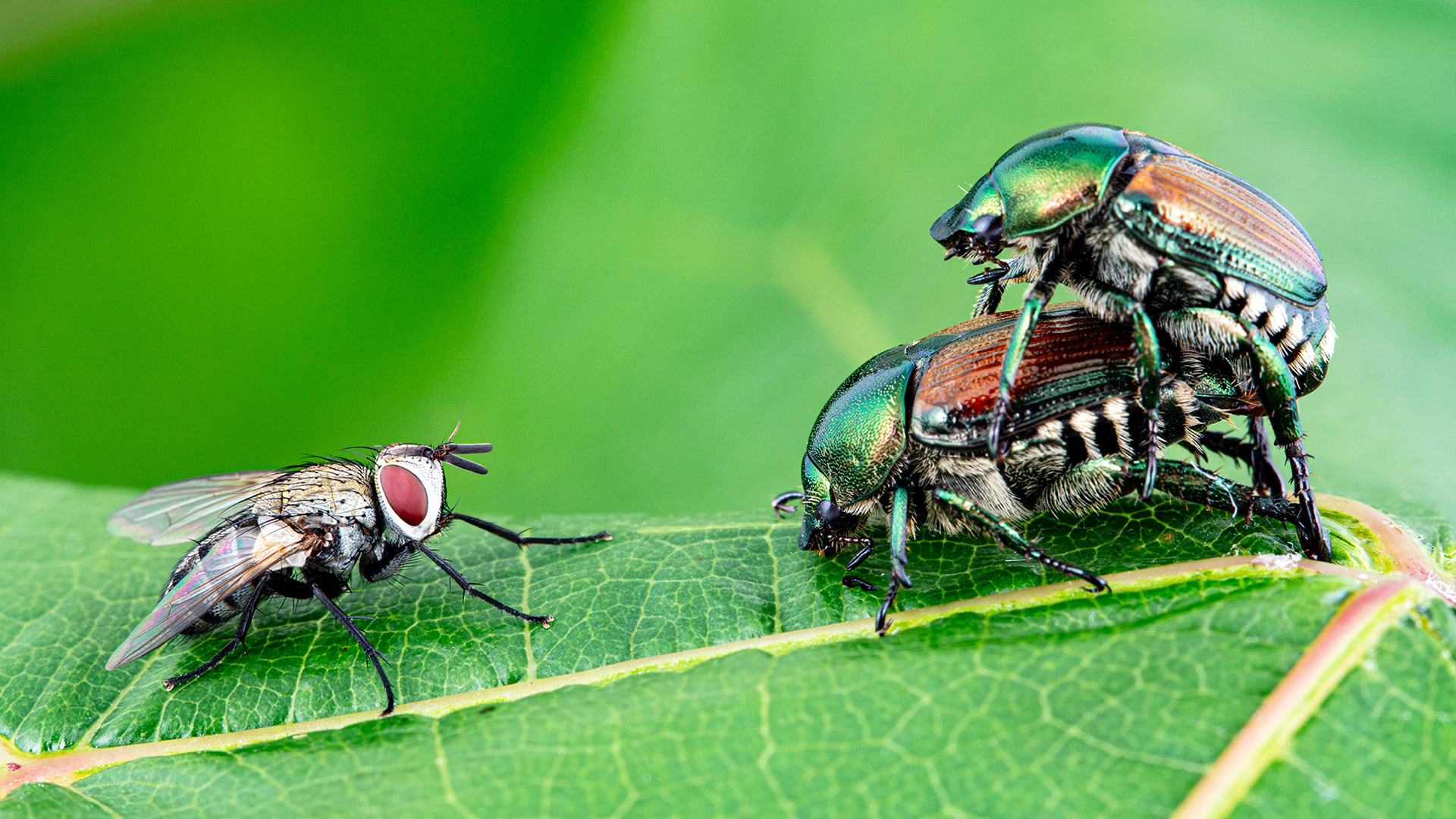
These two mating Japanese beetles belong to an invasive species that is ravaging Quebec vineyards in particular. But this time, their mating efforts may not pay off. This is the perfect opportunity for the parasitoid Istocheta aldrichi fly to lay one of its eggs—in most cases on the female, unable to escape the male’s embrace. From the egg, a larva will hatch, lodge in the host, feed on it, and kill it. The highly selective fly only parasitizes Japanese beetles. We’re in the presence of a biological weapon that researchers are trying to make the best possible use of…when the time is right.
Digital photograph
Learning despite everything
- Photographer
- Olivier Arvisais
Université du Québec à Montréal
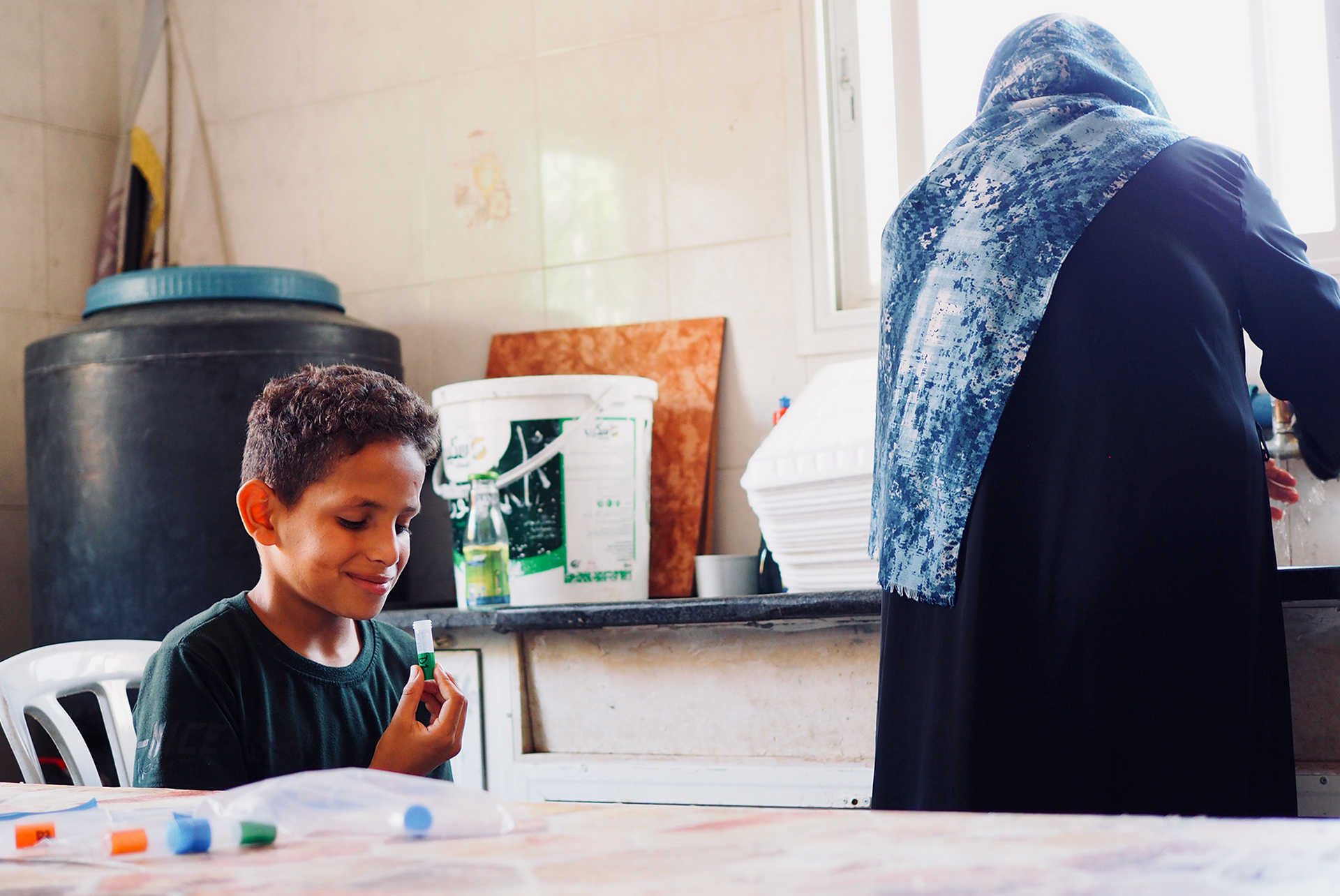
This image captures an intimate moment inside a house in the Gaza Strip. While his mother prepares breakfast, a boy deposits his saliva in a tube. He will repeat this action for three days. Seemingly banal, this family’s action contributes to research aimed at better understanding the effects of stress on children living in a context of armed violence. It provides an opportunity to study the biological markers of stress, providing essential data on the resilience and coping strategies of these youth. The results will inform the practices of professionals who accompany these children in their development and learning.
Digital photograph taken in July 2023, three months before the start of the current conflict in this area
Small boats, big glaciers
- Photographer
- Patrick White
Dalhousie University
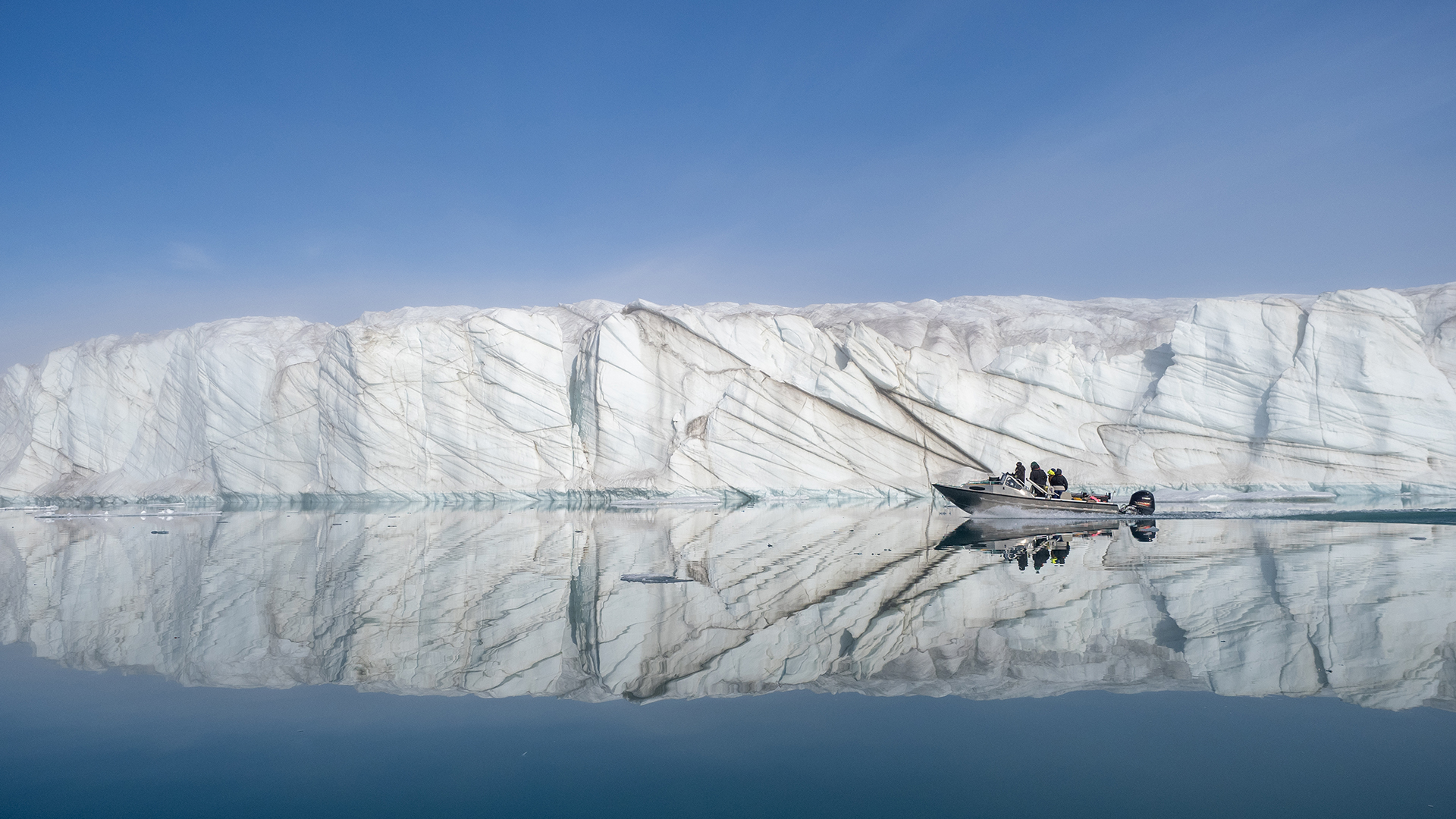
Glaciers in the Canadian Arctic are retreating rapidly due to climate change. My research explores how marine-terminating glaciers—glaciers that extend into the sea—affect marine phytoplankton, the microscopic organisms that form the foundation of ocean ecosystems. This image shows one such glacier behind a boat owned and operated by Ausuittuq Adventures. Collaboration with Inuit experts enables safe navigation and sampling near these glaciers. This collaborative research will help us understand what role these glaciers play in shaping ocean ecosystems and improve predictions about what might happen as they inevitably retreat and disappear.
Synaptic sunset
- Photographer
- Jade Fisher
University of Regina
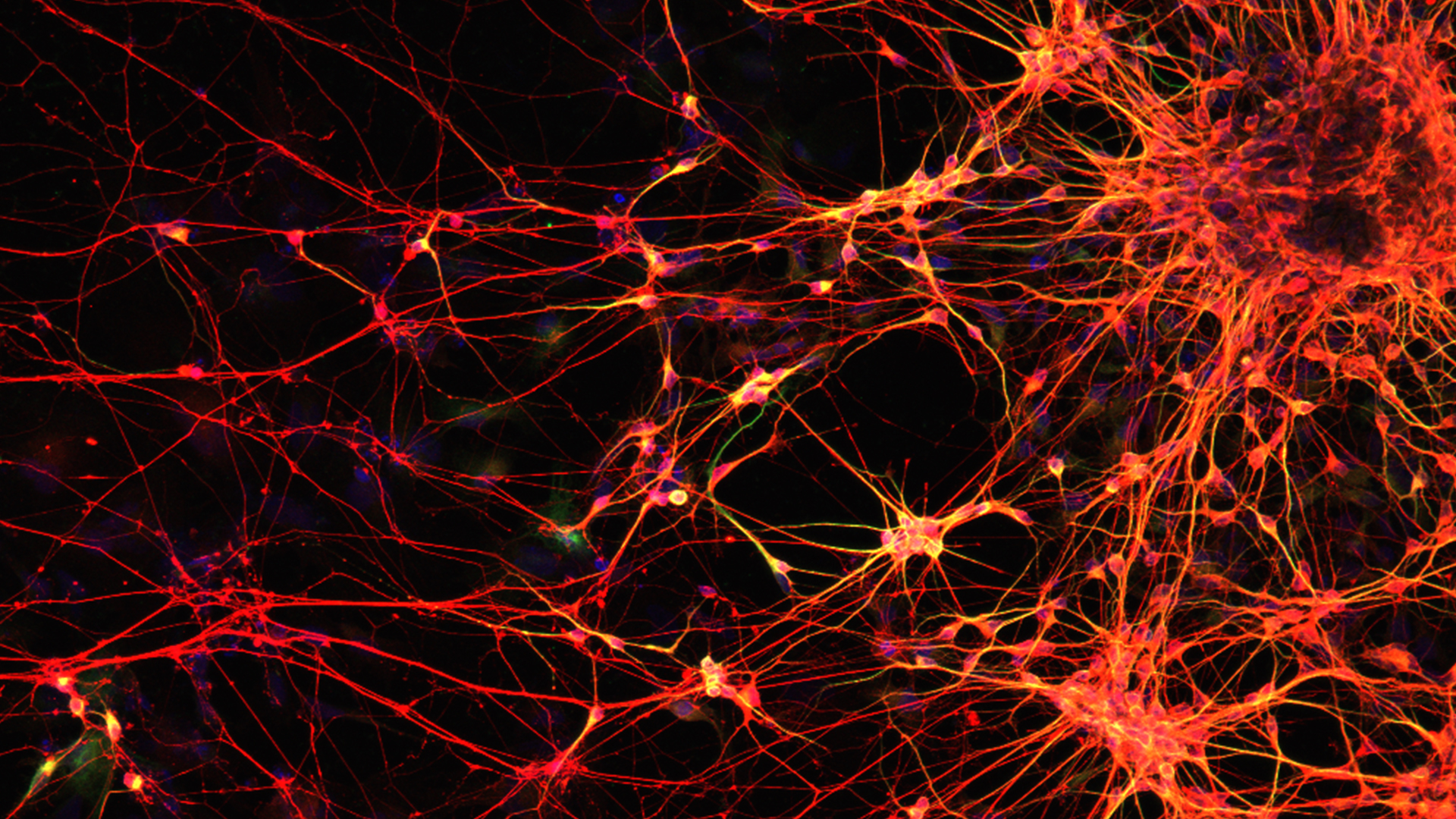
Neurons control every regulatory process in our bodies through electrical and chemical signals, relying on mitochondria for energy. When mitochondria are malfunctioning, they contribute to neuronal dysfunction and neurodegenerative diseases, among them autosomal recessive spastic ataxia of Charlevoix-Saguenay, a rare genetic disorder that affects movement and coordination. Learning more about neuronal dysfunction is key to developing treatments. This micrograph shows motor neurons derived from iPSCs (induced pluripotent stem cells), cells taken from a patient and reprogrammed into neural cells. Three fluorescent markers highlight key structures—the nuclei (blue), axons (red) and dendrites (green)—and create a captivating sunset-like pattern. However, like a sunset fades into night, patients with this disorder will eventually lose their motor neurons to the cover of darkness. By studying patient-derived neurons, I aim to uncover the mechanisms behind neurodegeneration, paving the way for potential treatments.
Under the ice, ancestral knowledge
- Photographer
- Geneviève Vachon
Université Laval
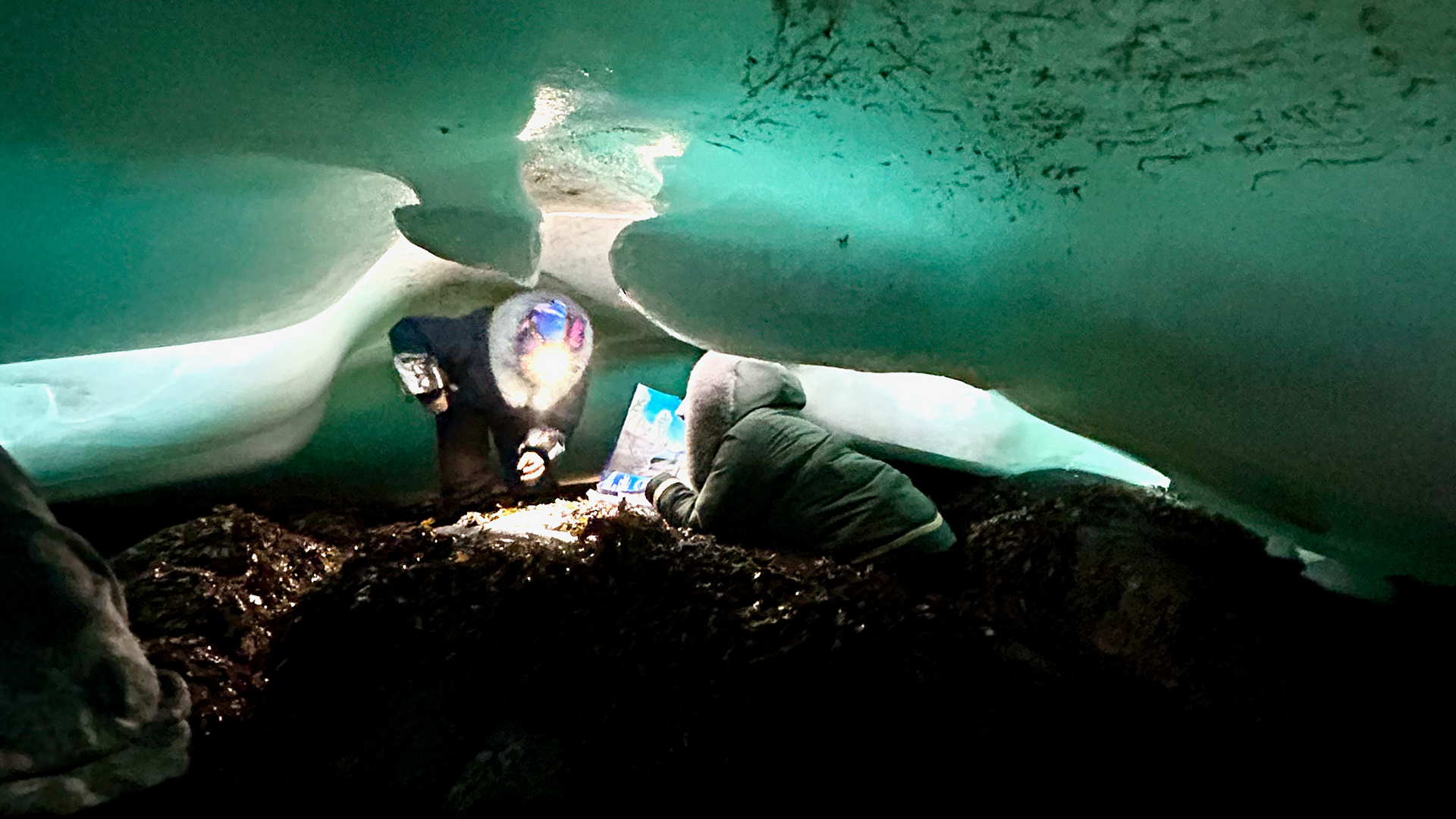
Well-sheltered from the wind, two Inuit teenagers harvest mussels under the ice in the bay bordering the village of Kangiqsujuaq, Nunavik. When the tide goes out, crevasses form. That’s when you can get to this area by snowmobile, dig a hole, and harvest. Important for food security, this tradition is threatened by the rapid warming of the Arctic. Shorter, warmer winters are weakening the ice. The current interdisciplinary research project is documenting Inuit knowledge of mussel harvesting. It aims to assess the nutritional quality of this resource, while characterizing the impact of ice conditions on this mollusc.
Digital photograph
Unexpected reactions
- Photographer
- Joseph Zsombor-Pindera
University of Calgary
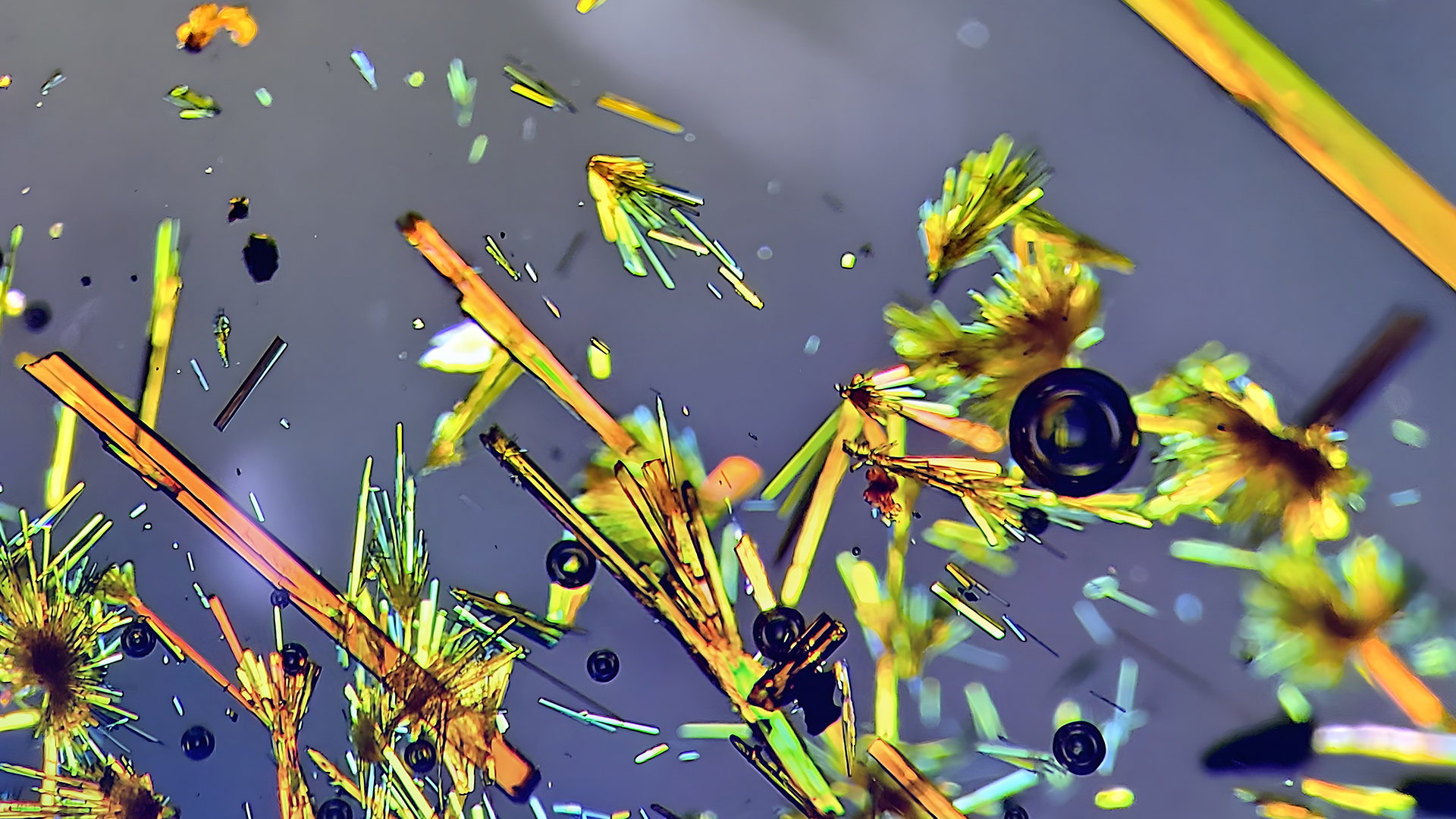
Quantum materials have unique properties that can revolutionize technology—but trying to develop a blueprint for new molecules can lead to surprises. Often, the elements mingle in unpredictable ways, and the chemist, like a detective, must then ask questions: What happened? Why did it happen? Can it be useful to us? The huge, iridescent crystals in this image formed when we were attempting to crystallize a new quantum material. Instead of the structure we had expected, the elements had rearranged themselves into a beautiful triangular shape. That unexpected structure helped us shed light on an unexplained signal we had observed in our target material. In chemistry, unforeseen results can lead to major discoveries, from new reactions to life-saving drugs. The crystals shown here serve as a reminder that nature is in control. Nature doesn’t always behave the way we want it to, but it is always beautiful. This research was made possible, in part, through the University of Calgary Chemistry Department’s X-ray Crystallography lab and Dr. Wen Zhou’s invaluable technical expertise.
A bubble’s love story: The art of cavitation
Claus-Dieter Ohl
- Photographer
- Hossein Hassanzadeh
Université Laval
- Seyed Mohammad Taghavi
Université Laval
- Claus-Dieter Ohl
Otto von Guericke University
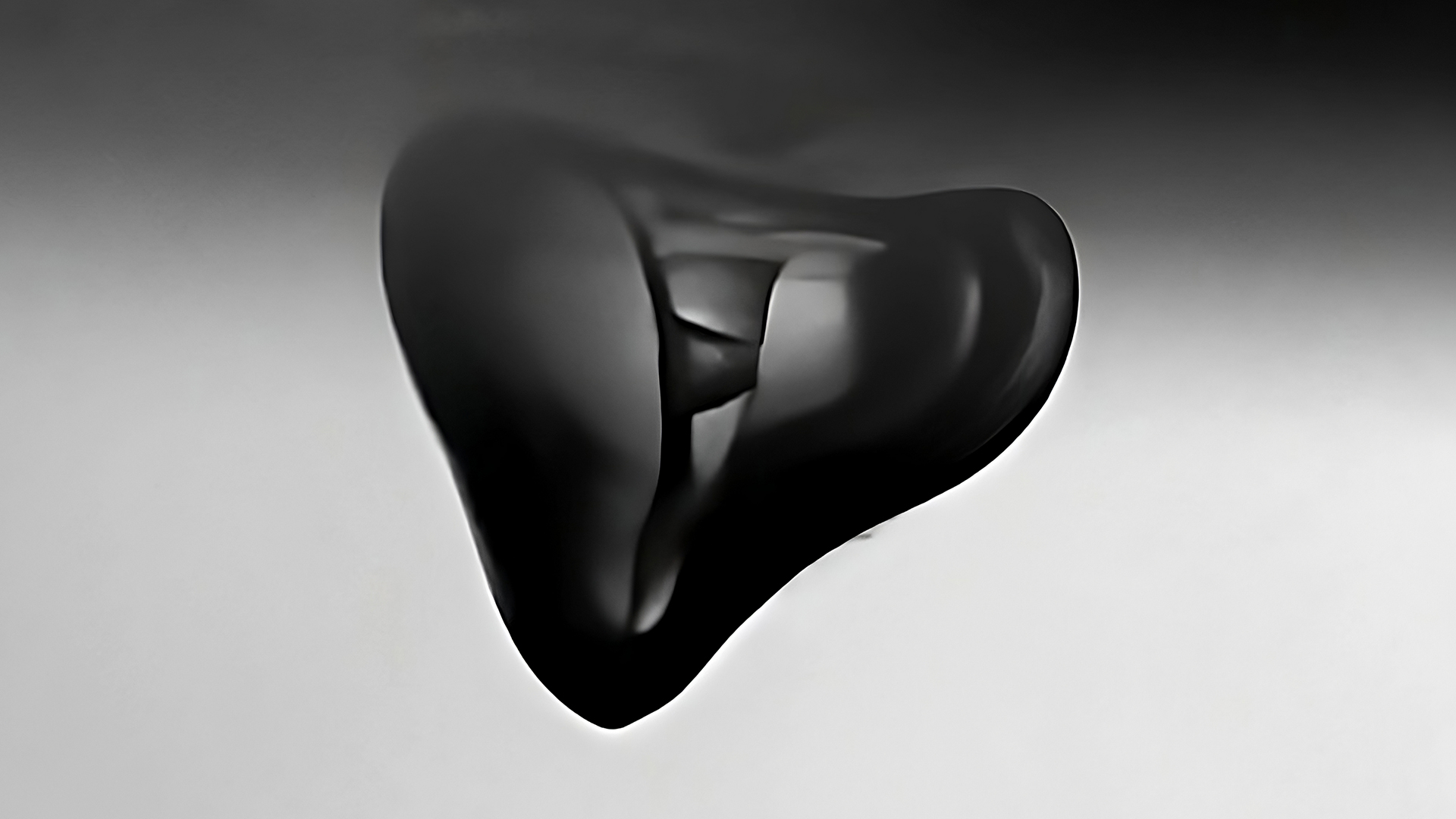
Who would have thought that cavitation bubbles forming in liquids could be so fascinating to study and have important applications in science and medicine? A single laser pulse within a liquid generates such intense heat that it causes rapid evaporation and leads to the formation of a cavitation bubble. In less than 0.1 milliseconds, the bubble gracefully expands into a heart-like shape before collapsing and disappearing, leaving no trace behind. This mesmerizing transformation occurs in high-viscosity liquids, where the resistance of the liquid molds the bubble into this romantic form. Our research explores the complex behaviour of these bubbles—how they grow, move and collapse in the blink of an eye. By controlling certain parameters, such as laser energy, fluid properties and target surfaces, we hope to gain key insights that hold significant promise for drug delivery, cancer therapies, and kidney stone treatments.
All in a grain of salt
- Photographer
- Jean-Nicolas Deraspe
Université de Montréal
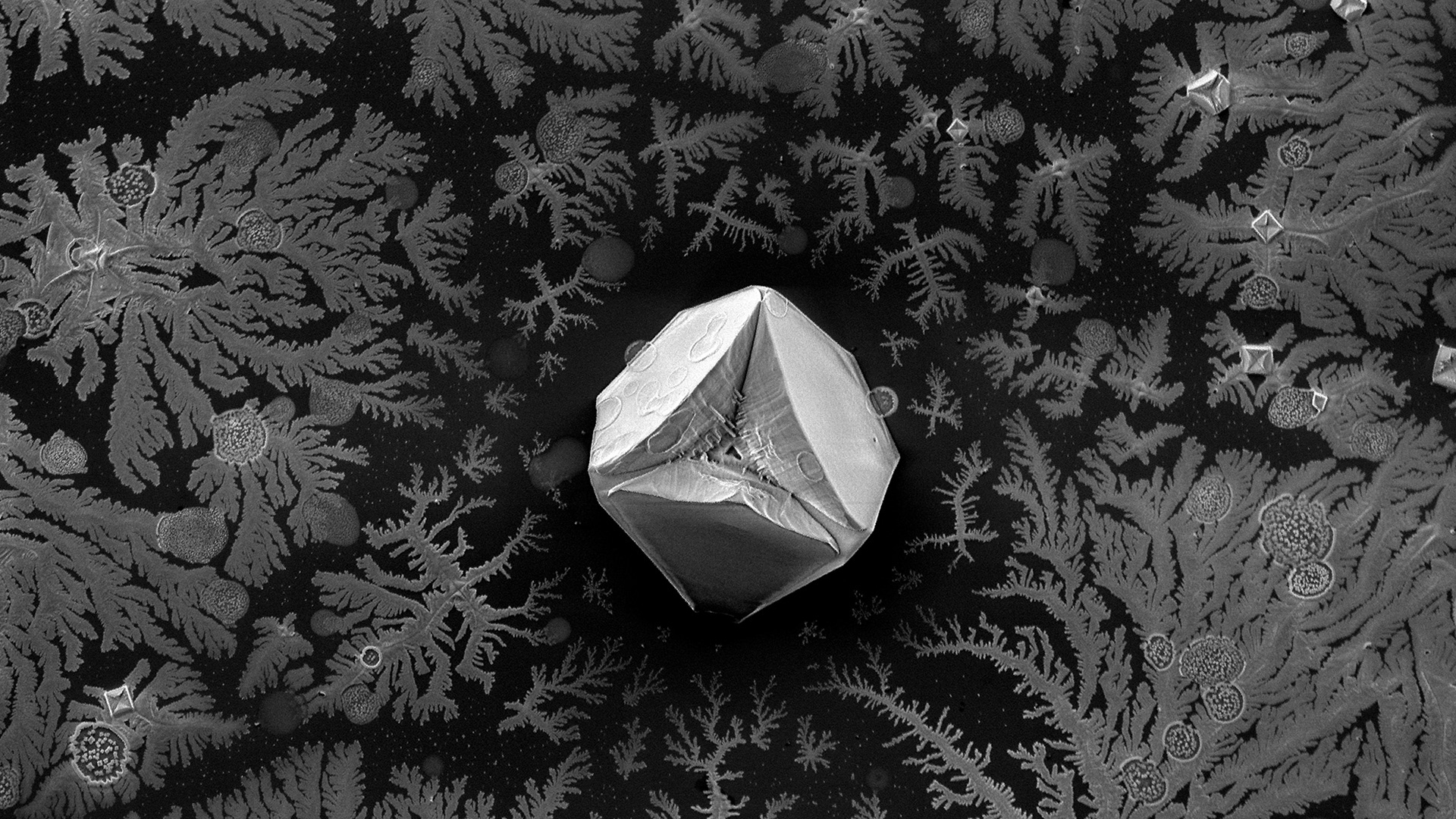
A lab error is behind this unique image... of an ordinary grain of salt! This grain triumphs at the center of dendrites and islands of crystallization, all composed of salt. The dazzling intruder appeared when the experimenter tried to isolate, from a salt solution, the iron in a ferritin molecule, a common mammalian protein. With this iron, the lab produces carbon nanotubes that are used to manufacture nano-biosensors, capable of detecting molecules one at a time. Used to screen for cancer, these sensors make it possible to study the precise behaviour of molecules right in their environment.
Crystal size at center: 60 μm
Magnification: 800x
Scanning electron microscopy
A nest for life
- Photographer
- Geneviève Gauthier
Université Sainte-Anne
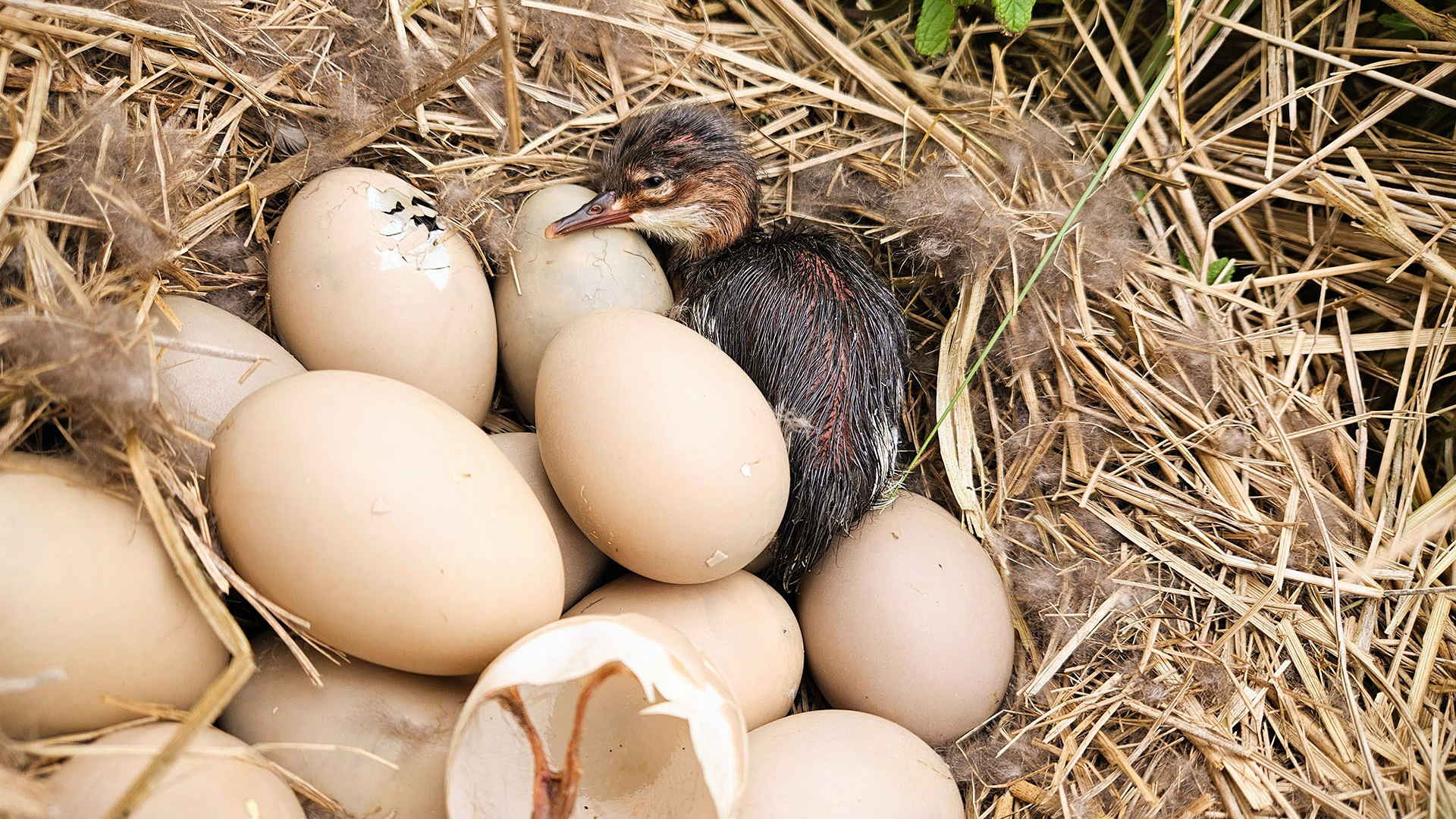
Just emerging from its shell, this young red-breasted merganser (Mergus serrator) was incubated by its mother for nearly a month. At least one egg hatched, so this breeding attempt was deemed successful. The ducks often return to the same nesting site to recreate winning conditions. Quite familiar with the environment, females nest earlier and can better protect their broods from various risks, such as predation. The researcher is tracking banded females and their nests to better understand what influences the return rate in this species, and to assess the impact on reproduction.
Digital photograph taken at Iles-aux-Sternes in Kouchibouguac National Park, New Brunswick
Arctic Mission

- Photographer
- Étienne Tremblay
Université Laval
This is not a flying saucer, but rather a weather sensor, located on Bylot Island in the Canadian Arctic Archipelago. This radiometer is camouflaged among a vegetation of shrubs that are “climbing” in latitude due to global warming. This canopy protects the ground surface from the sun, but also traps heat by dampening the wind. Around thirty of these sensors have been installed to monitor physical processes and better understand their role in the thawing of permafrost, a phenomenon likely to accelerate the release of greenhouse gases into the atmosphere.
Sensor height: 20 cm
Digital photograph taken at the Center for Northern Studies research station
A silent dance of fluids
- Photographer
- Seyed Pedram Mousavi
Université Laval
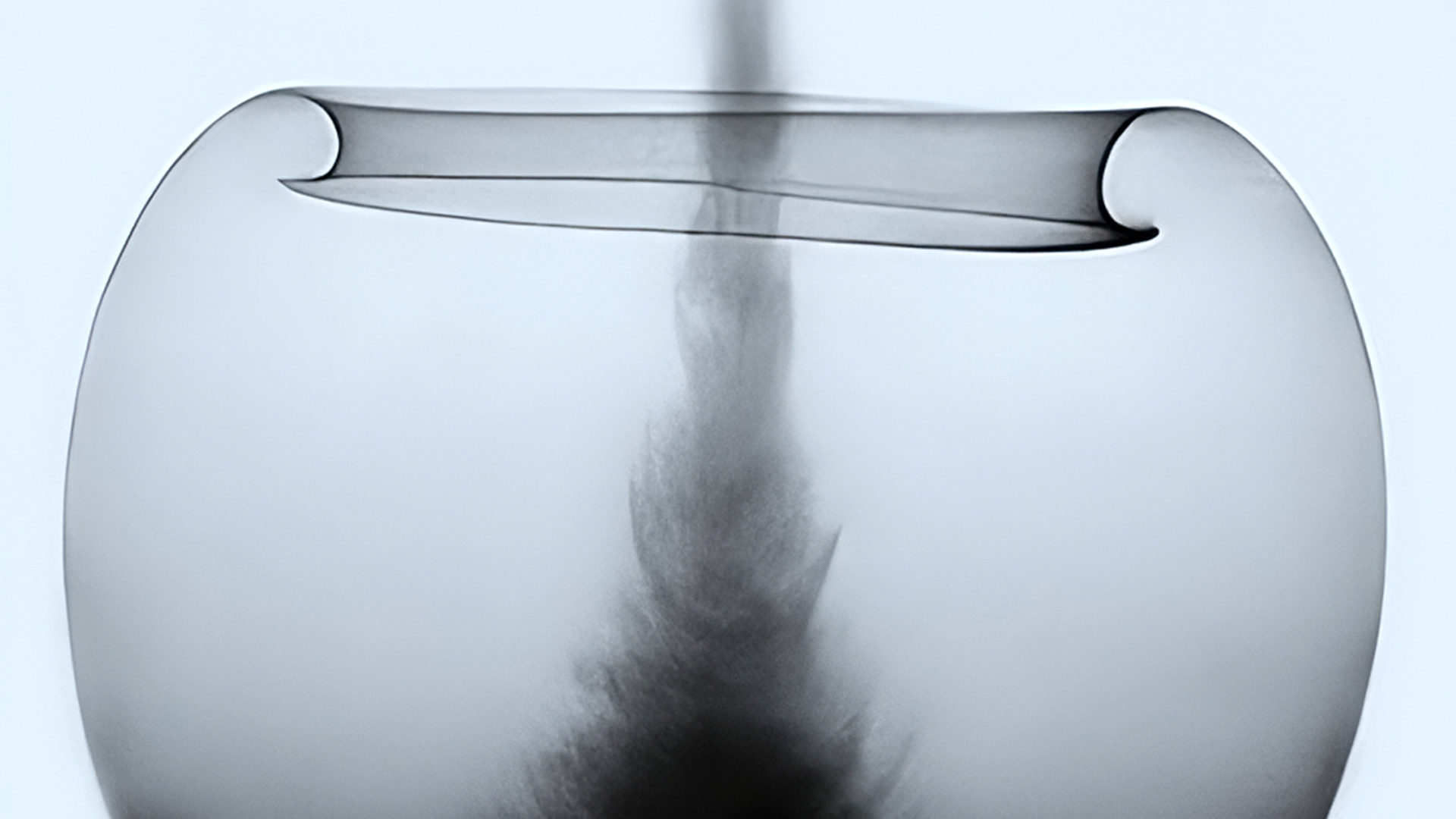
Understanding how liquids move through materials is key to advancing technologies like liquid-in-liquid printing and drug delivery. Our research explores how the properties of gel-like substances influence the way fluids flow and disperse through them. In our experiment, we injected dyed water into a polymer gel through a micro-nozzle. The photo shows how a stable vortex ring took shape and, over time, expanded symmetrically around an axis, forming an elegant anchor-like structure. Remarkably, the structure persisted for hours after the injection stopped. The gel’s high viscosity and yield stress prevented the early dissipation of this swirling pattern. We investigate how such properties affect fluid motion, as we aim to fine-tune liquid flow control to allow for more precise and effective applications. The mesmerizing form shown here offers a glimpse of how fluid physics can inspire research and design.
A slice of blueberry
- Photographer
- Anthony Pelletier
Université du Québec à Chicoutimi
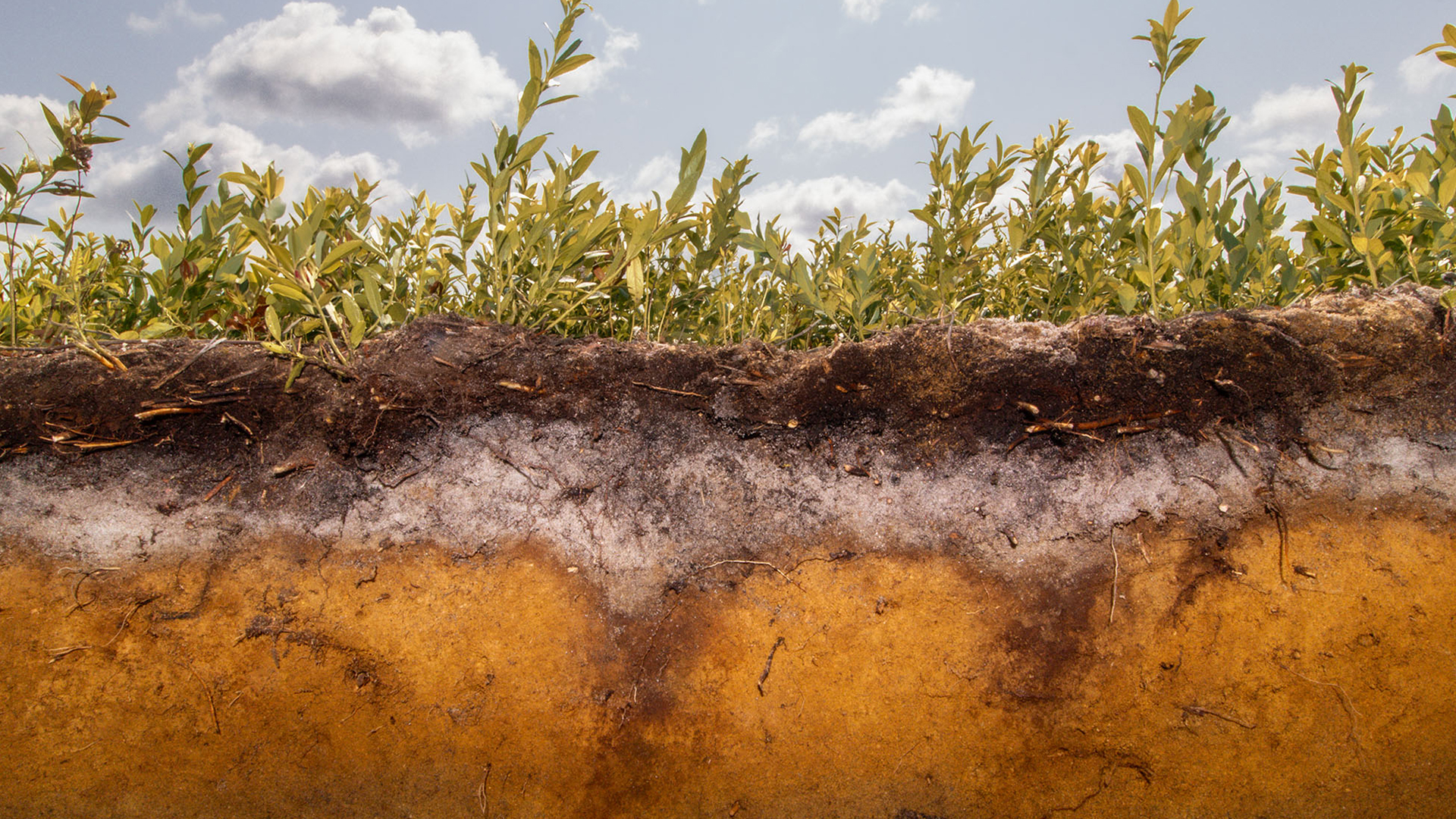
The famous blueberry farms of Lac-Saint-Jean thrive on soil that is generally sandy. The orange-coloured layer at the base is rich in iron oxide. Above, it takes on a grayish hue, that of sand washed away by water. Then comes the brownish layer of organic matter, a narrow horizon line where the rhizomes of blueberry plants—perennial underground stems—grow and store energy reserves. The production of these delicious berries is currently optimized by nitrogen-based fertilization. Now, with a view to sustainable agriculture, researchers are evaluating the impact of different types of fertilizers to reduce the environmental impact of these products.
Digital photograph
Attack of the thecamoebians!
- Photographer
- Kaelin Platt
McMaster University
- Teagan Warkentin
McMaster University
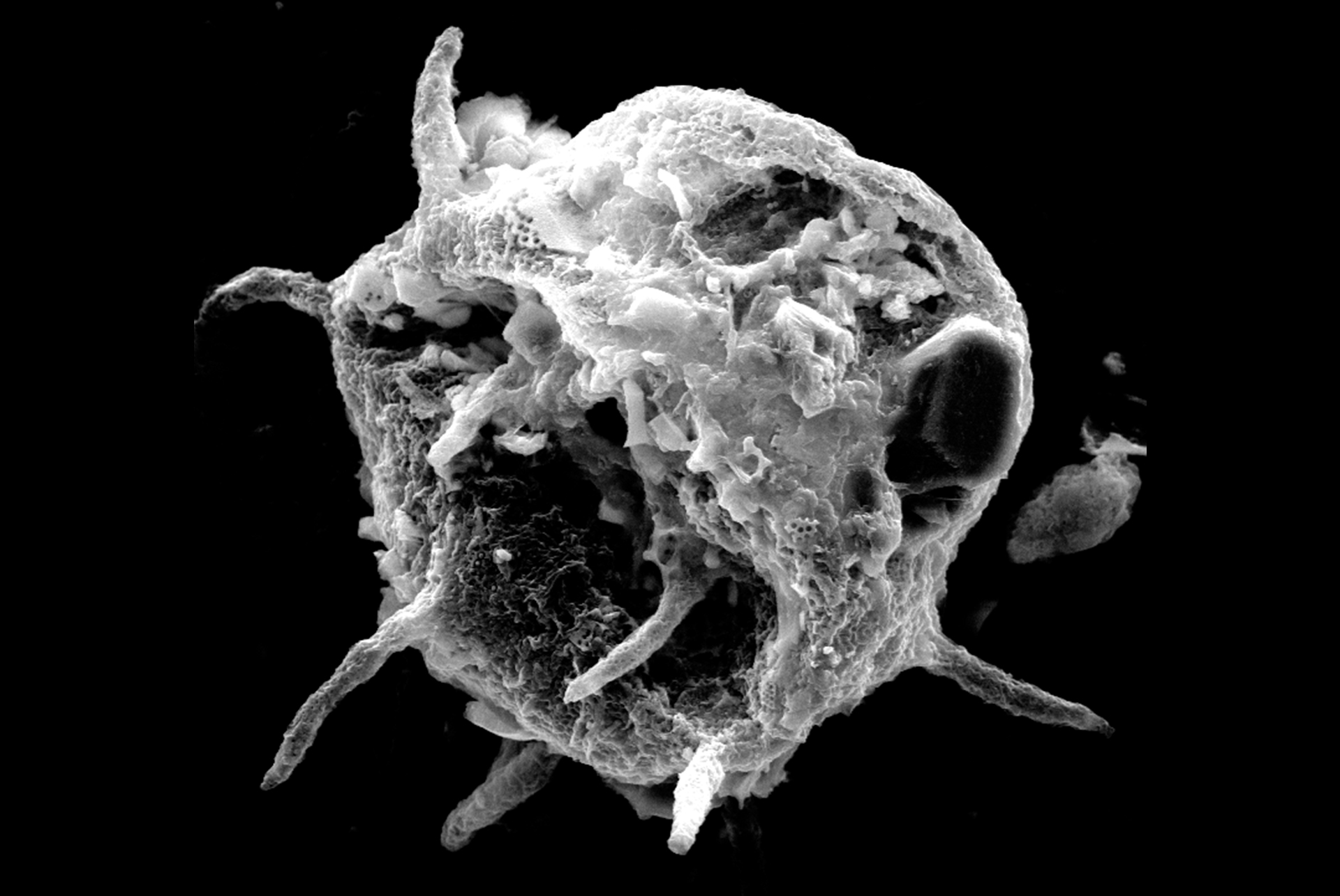
The analysis of microscopic fossils (micropaleontology) can help us understand environmental changes over time. This scanning electron microscope image shows a thecamoebian, a type of single-celled organism belonging to the kingdom Protista. This specimen has a xenogeneous test, meaning that its protective shell was formed by cementing together grains of surrounding material. Thecamoebians are often found in freshwater environments, such as lakes, ponds and brackish lagoons. Identifying thecamoebian species can yield clues as to what an environment may have looked like back when the organism lived there. For example, this particular specimen provides evidence of the presence of freshwater in the aquifers of Mexico’s Yax Chen cave system. Its declining abundance over time suggests a gradual infiltration of seawater in those aquifers.
Behind the scenes
- Photographer
- Pierre Jameson Beaucejour
University of Ottawa
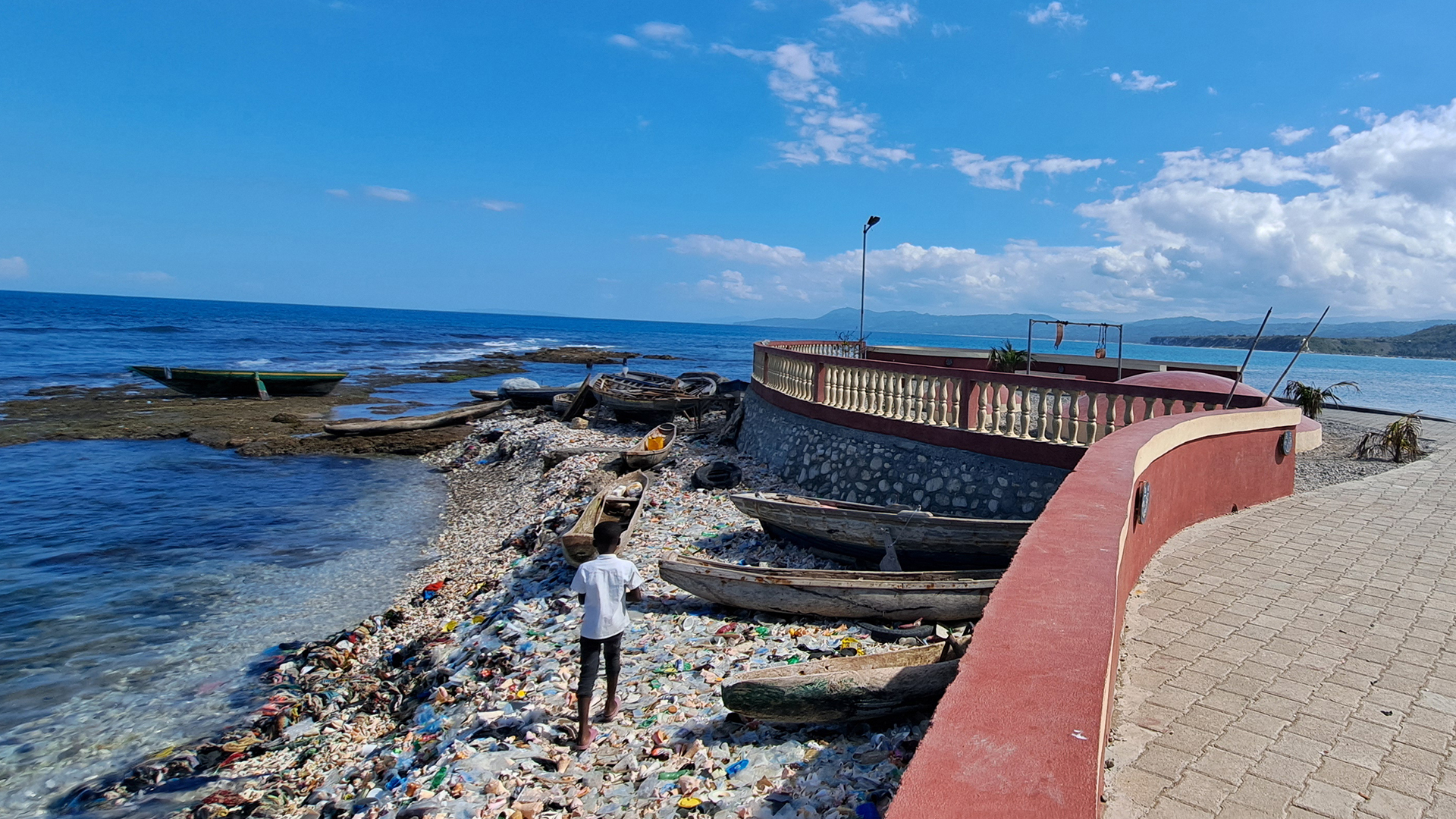
For several generations, Fort La Pointe, in Jérémie, Haiti, has been home to a small-scale fishing community. Through an ethnographic survey, the researcher documents their activities in the context of the revitalization of this historic site, built in colonial times. Two organizations renovated the fort in 2023, with the stated purpose of promoting fishing. But the opposite occurred. The pirogues, built using precious know-how, were kept out of the rehabilitated space, and the planned sanitation work was abandoned. Dissatisfied, the residents still hope that the project will be completed and fishing integrated, as promised.
Digital photograph
Cocoa time
- Photographer
- Arturo Duarte-Sierra
Université Laval
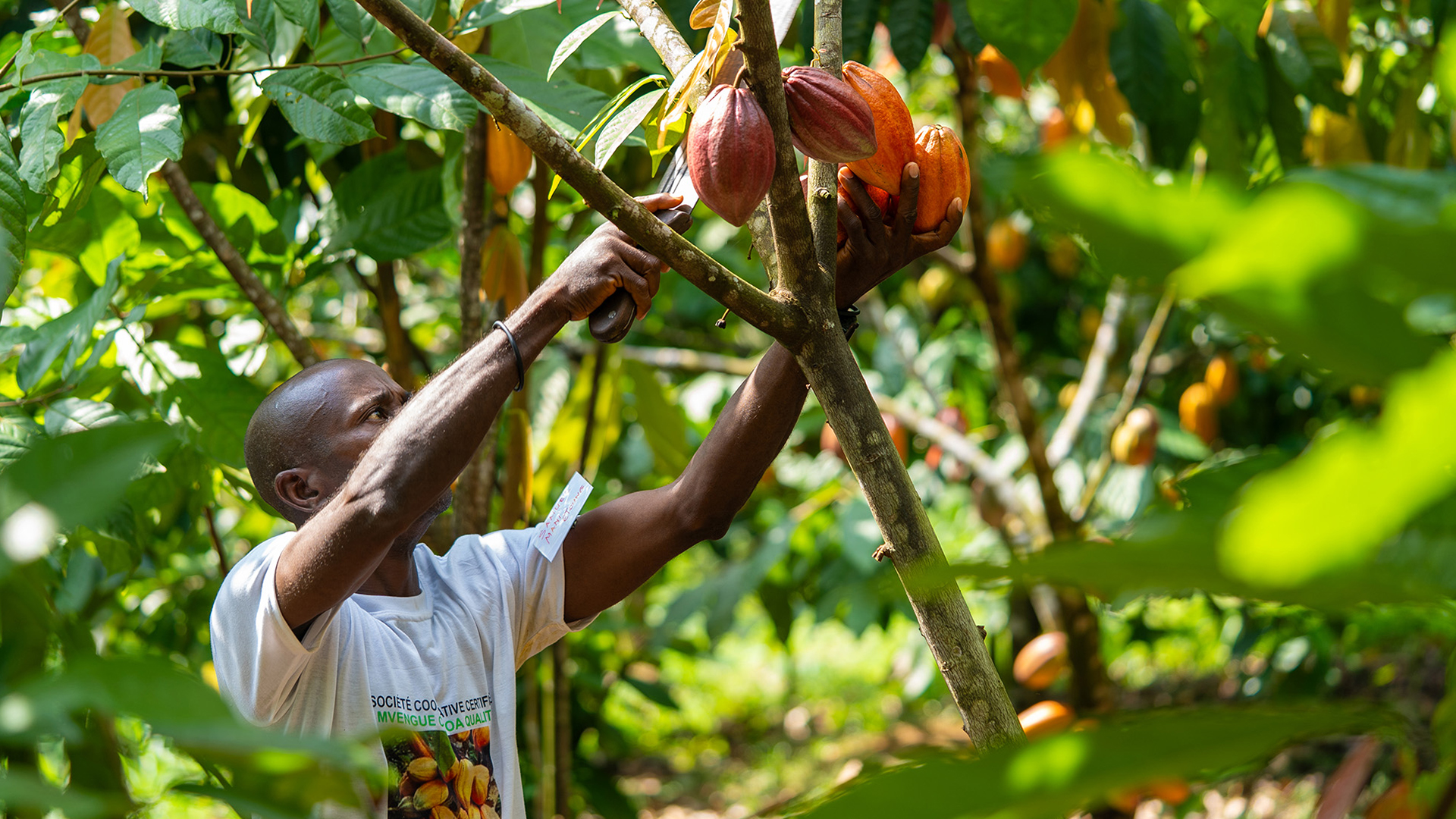
This cocoa farmer in Abam, southern Cameroon, hopes to harvest the pods at just the right stage of ripeness. Harvested too early, cocoa beans may not contain the sugar needed for fermentation. Harvested late, they risk developing and spreading devastating mold. Apart from the colour of the pod, growers have no indicators to guide the delicate harvesting operation. Interuniversity collaboration between Quebec and Cameroon aims to establish maturity criteria to guide harvesting as well as to optimize fermentation and drying of what will, ultimately, become chocolate.
Digital photograph
Compound spines of a sea spider: an adaptation for grooming
- Photographer
- Cormac Toler-Scott
The University of British Columbia
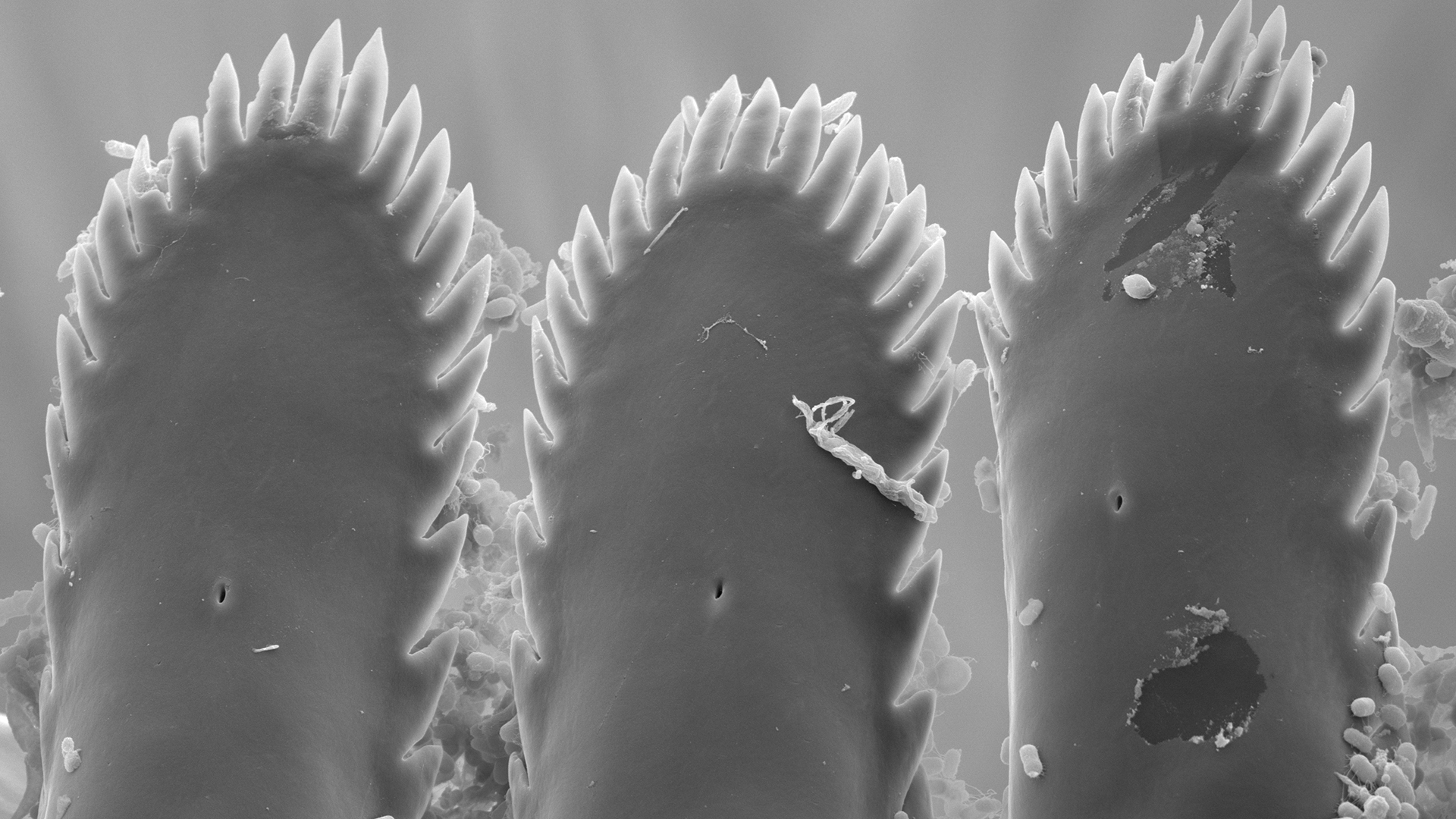
Found throughout our world’s oceans, sea spiders are an enigmatic group of marine invertebrates related to scorpions and spiders. They rely solely on paternal care—the rarest form of parenting among animals. Male sea spiders have a specialized pair of legs called ovigers, which they use to collect eggs from a female. They then fertilize the eggs, cement them to these legs and carry them until they hatch. Some sea spiders have comb-like spines on their ovigers (pictured here) that serve another function: grooming. These compound spines can be used to remove debris and parasites from the sea spider’s body. My research aims to document sea spider diversity in the Salish Sea of British Columbia to enhance our understanding of the region’s extreme biodiversity.
Coral connoisseur
- Photographer
- Alexandra Reinhardt
St. Francis Xavier UniversityBamfield Marine Sciences Centre
- Russell Wyeth
St. Francis Xavier UniversityBamfield Marine Sciences Centre
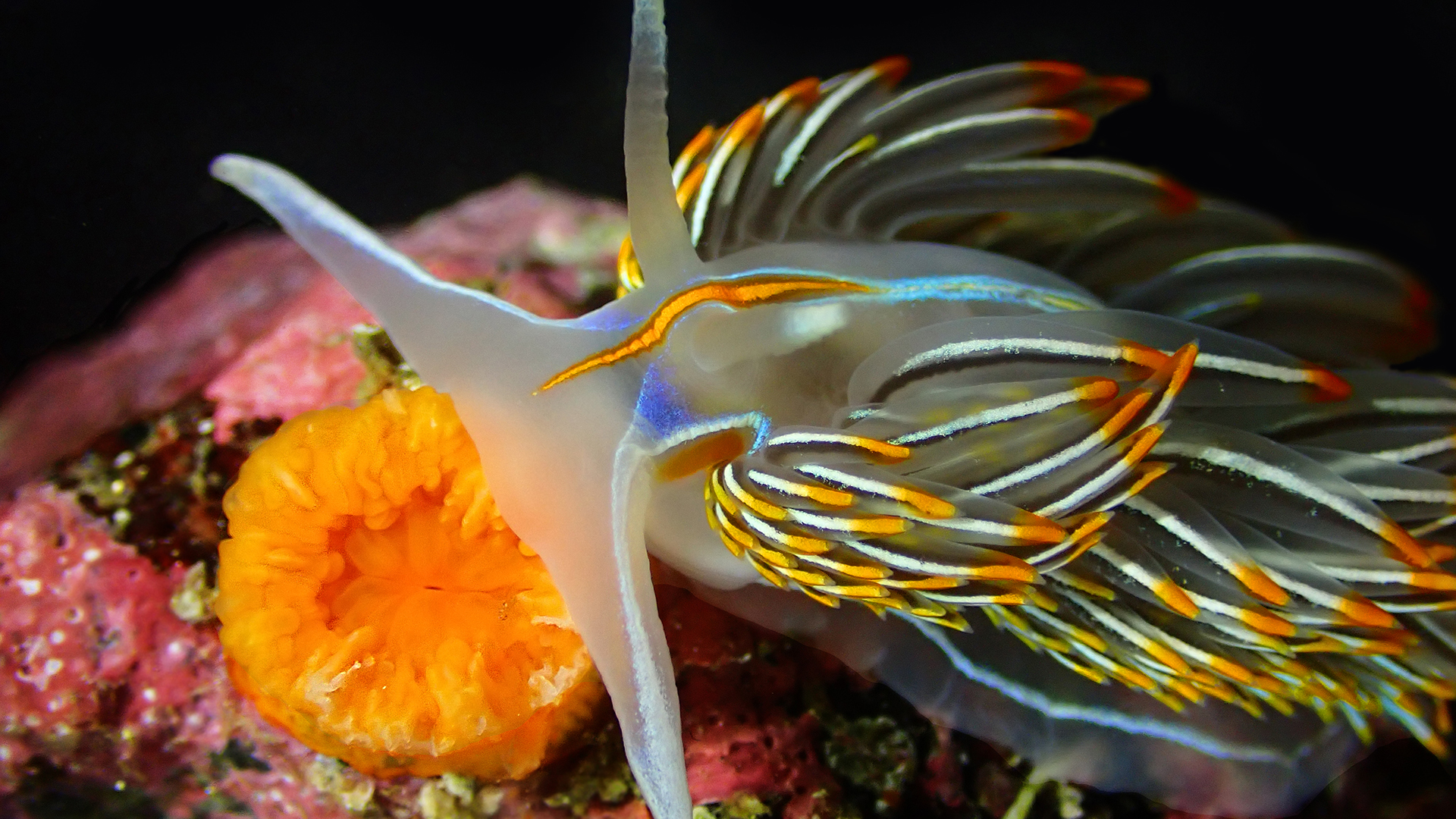
The observation of a seemingly simple feeding event can provide new insights into how sea slugs navigate changing ocean conditions. Pictured here is the sea slug Hermissenda crassicornis on an orange cup coral, with visible damage exposing the coral’s white skeleton. These slugs were previously thought to feed mostly on hydroids (small marine animals related to jellyfish), but my research suggests they may actually prefer orange cup coral, as shown here. This discovery is part of our work to understand how these sea slugs find food in environments with variable tidal flow and strong wave action, which can disrupt the odor plumes they might otherwise follow. While at the Bamfield Marine Sciences Centre on the West Coast of Canada, we took some video recordings of these slugs in their natural habitat. By analyzing these recordings, we are uncovering new behavioural patterns that may help explain how they successfully forage in such dynamic ocean conditions.
Fighting for the future
- Photographer
- Lauren Elviss
University of Northern British Columbia
- Heather Bryan
University of Northern British Columbia
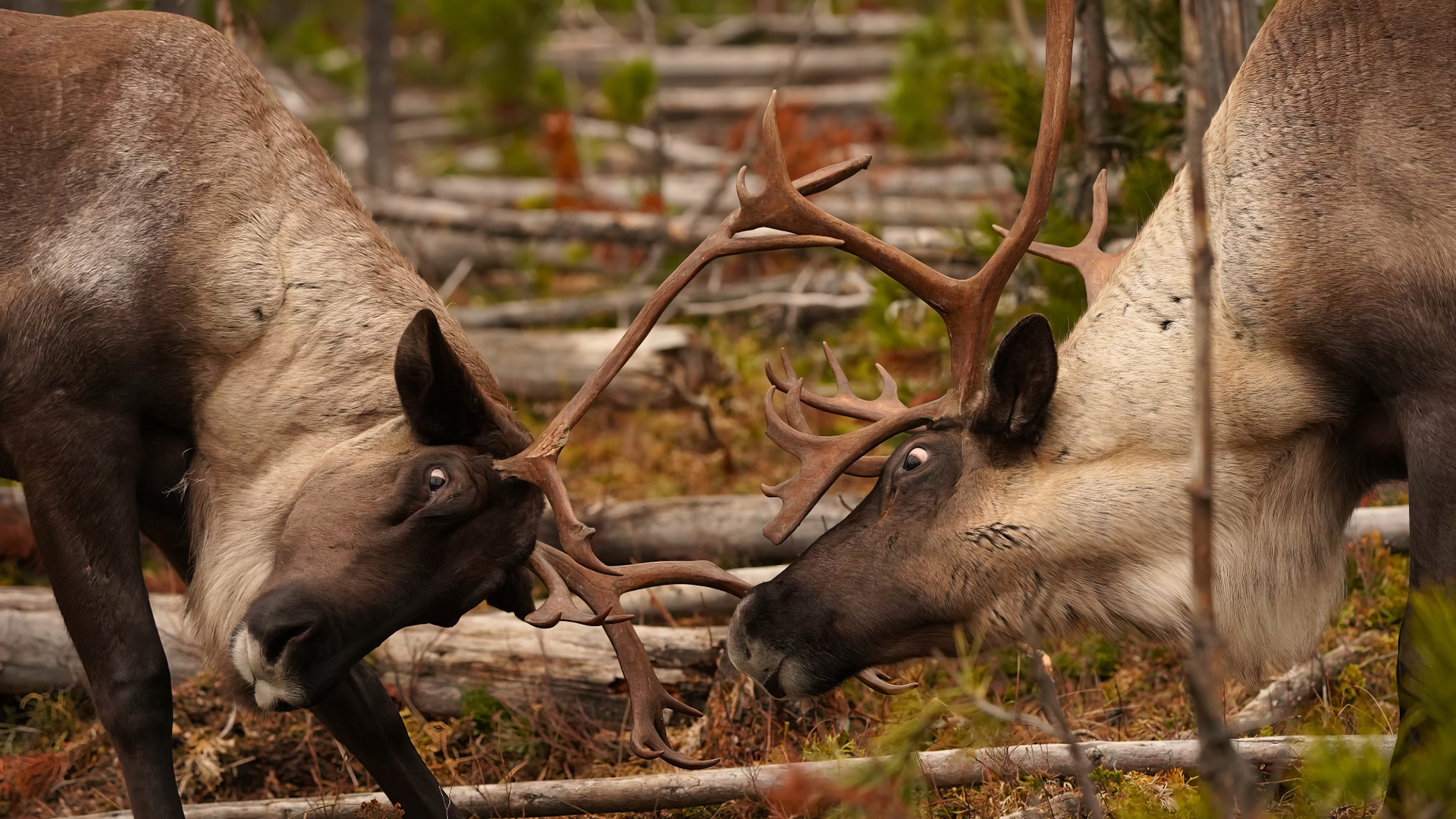
Every fall, the endangered Kennedy Siding caribou herd migrates from the alpine meadows of the Rocky Mountains to a small lodgepole pine forest near Mackenzie, British Columbia. Facing extirpation (disappearance from the area), the herd has been the subject of a supplemental feeding program since 2014; the aim of the program is to study how improved nutrition might affect population growth and survival rates. In the photo, two young bull caribou at the site engage in a friendly sparring match—practice for future battles to produce the next generation. A combination of feeding and other management measures helped triple the herd’s size in ten years, but its survival remains uncertain. The accessibility and small area of the site allow researchers to conduct population counts and monitor individual health and reproduction. We plan to use the data collected to guide future caribou conservation efforts across the province.
Fighting microplastic pollution with a super-cleaning agent
- Photographer
- Masashi Kaneda
McGill University
- Ana. C Quevedo
McGill University
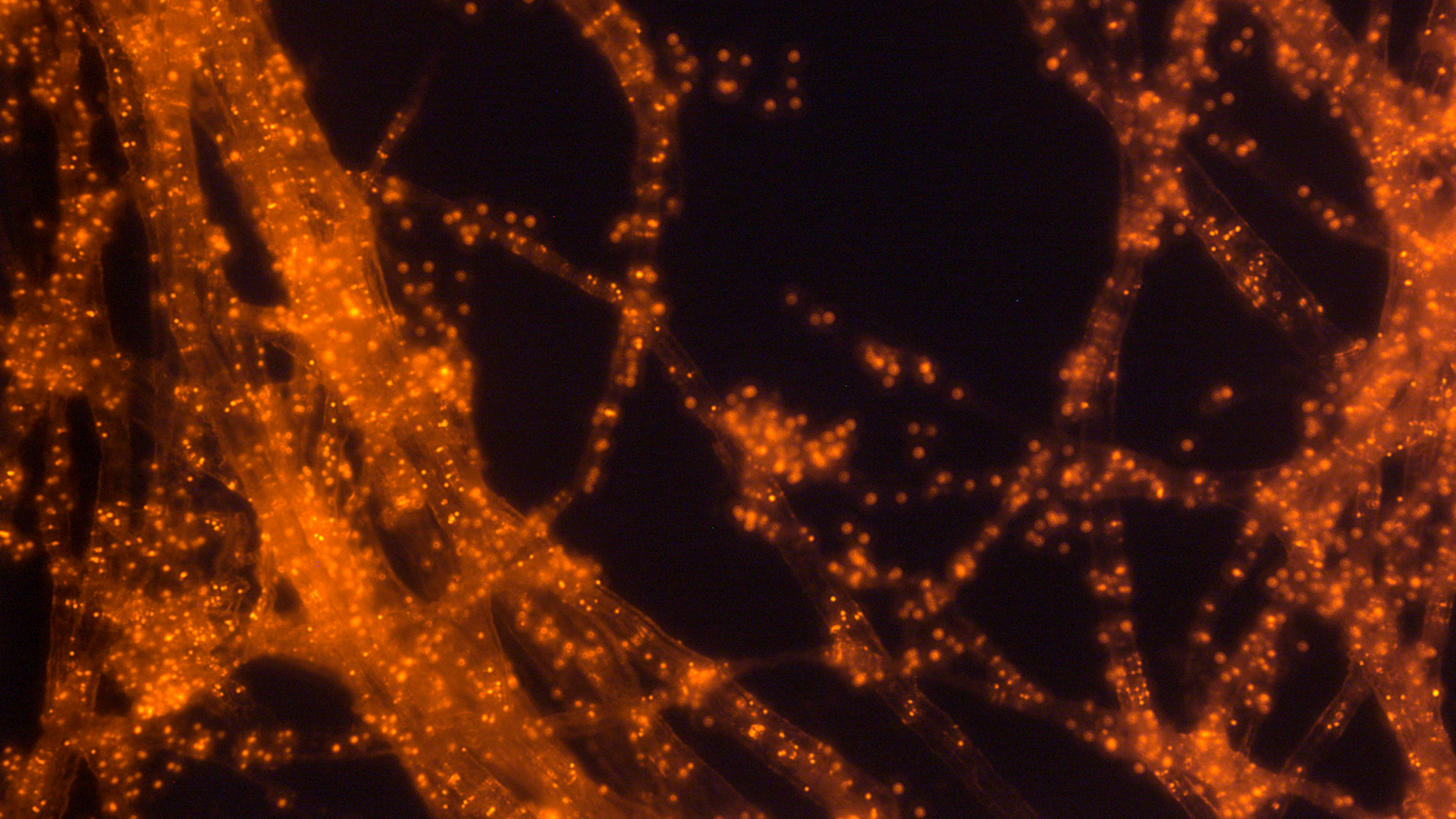
Microplastics are everywhere—in nature, drinking water, even food. To tackle this problem, we engineered cellulose fibres, a main component of plant cell walls, into super-cleaning agents designed to capture plastic pollutants from water. This image shows model microplastic particles (in orange), about one micrometre in size (50 to 100 times smaller than a human hair), attached to cellulose fibres. Using confocal microscopy, we visualized how these particles successfully bind to the fibres through the plastics’ fluorescence signals. By mixing cellulose fibres with polystyrene microplastics in synthetic wastewater, we enabled the plastics and fibres to settle together through gravity, simplifying their removal and disposal. We aim to develop practical, safe, cost-effective strategies for removing plastic pollutants from water in order to protect ecosystems and human health.
Flash of genius
- Photographer
- Audren Dorval
Université de Montréal
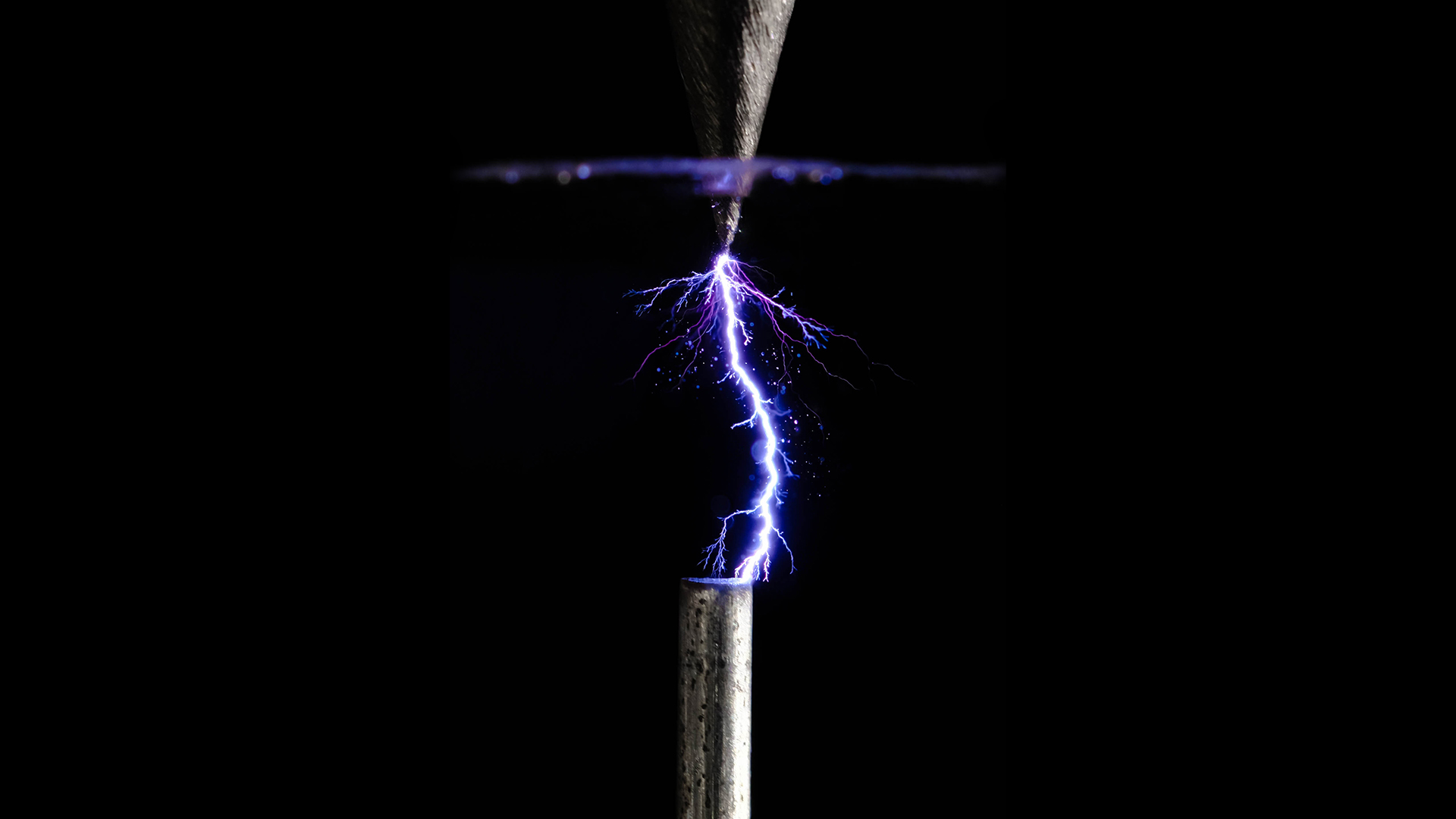
These two electrodes are barely more than 3 mm apart. But the flash they produce is an incredible feat, given that they are under water! Normally, they would need to be 10 times closer together to produce the same electrical voltage. Here, however, the body of the upper electrode is immersed in heptane, a hydrocarbon that floats above the liquid. Its “insulating” properties concentrate the electric field tenfold on the tip of the electrode immersed in the water. In just a few milliseconds, this plasma produces numerous physicochemical interactions, such as the transformation of electrode tips into gases, impossible to achieve otherwise. This can lead to the creation of nano-alloys…
Digital photograph
Fungal poppy
- Photographer
- Ali Molaeitabari
University of Regina
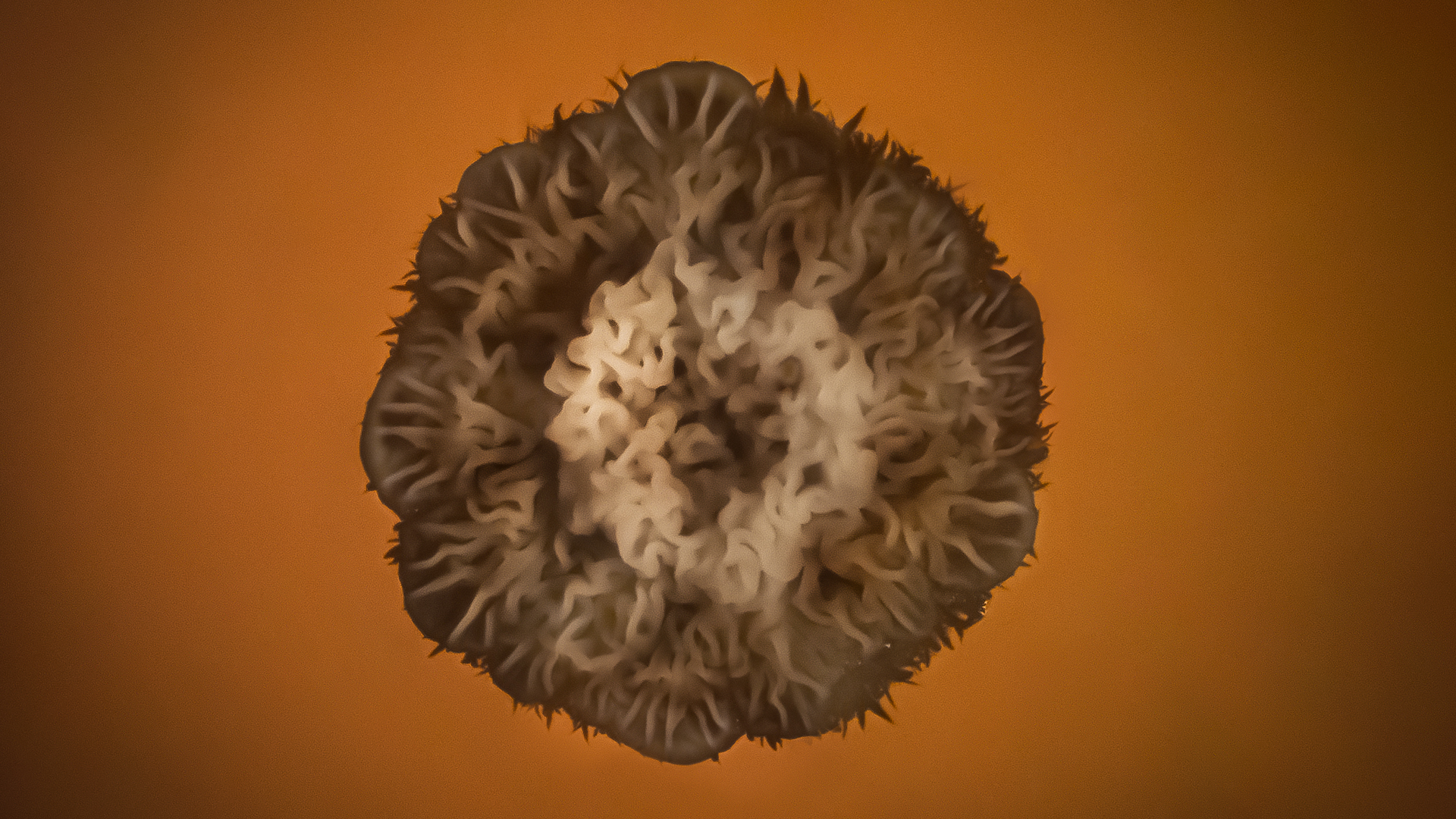
At first glance, this eye-catching structure might look like a beautiful white poppy brooch, the kind one would wear to observe Remembrance Day. It is in fact a mycelium, a web of filaments crafted by the single-celled fungus Candida albicans. Who knew that an opportunistic human pathogen could create such beauty? When in the aggressive filamentous form, though, this fungus can enter the bloodstream and invade organs, sometimes leading to life-threatening infections. Its filaments can also form biofilms—communities of fungi that can resist antibiotic treatments. My research explores how blocking the fungus’s ability to absorb and produce the nutrients it needs to grow can significantly reduce filamentation and mycelial growth, ultimately weakening C. albicans and making infections easier to treat.
Male fertility - Means of transit
- Photographer
- Céline Augière
Université Laval
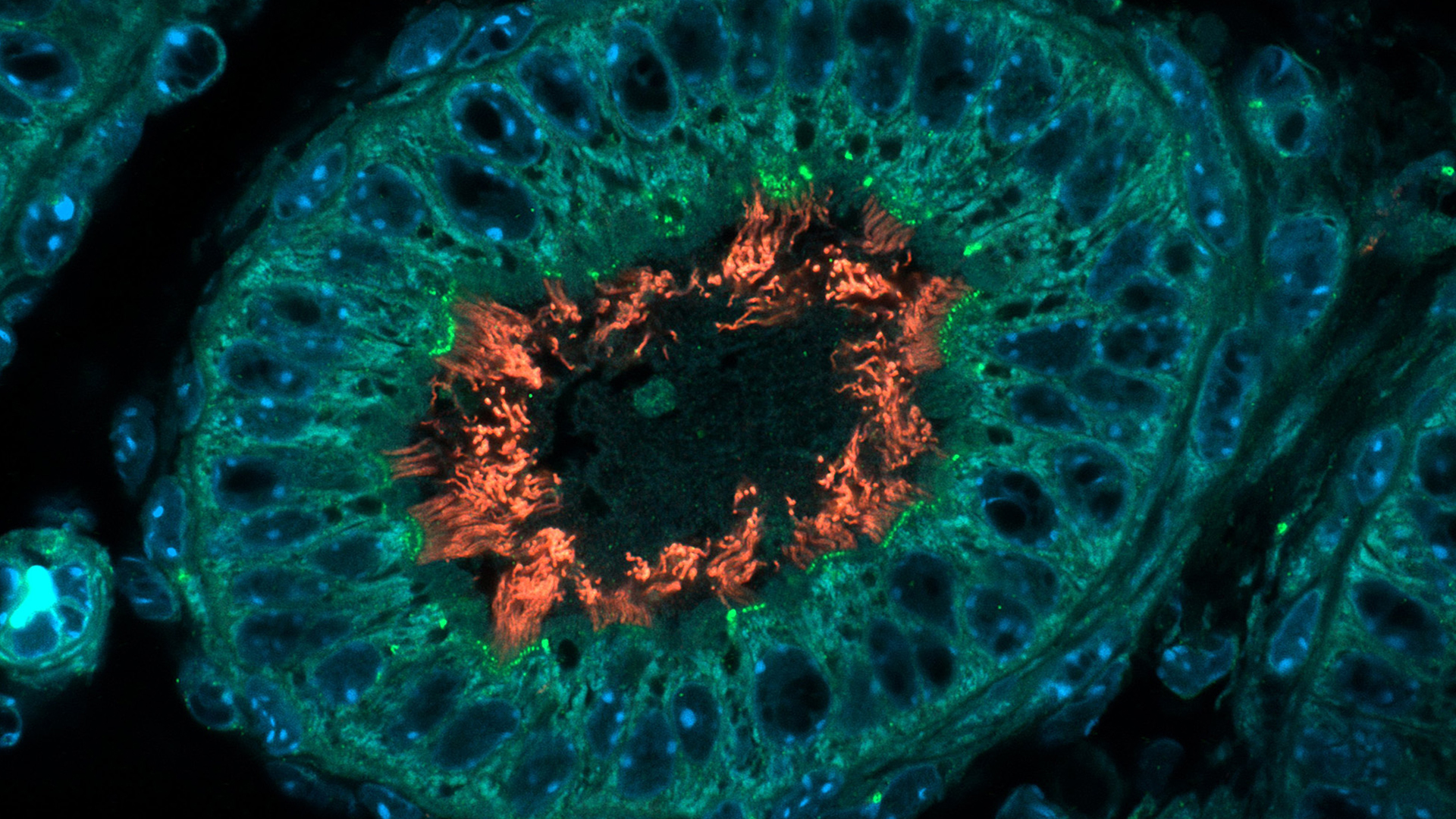
This is a cross-section of an efferent duct at the exit of a mouse testis. It is through this canal that the spermatozoa transit to the epididymis before being expelled during ejaculation. Several cells, identifiable by their blue nuclei, form the wall of this small tube. In the center, in orange, the subject of the study: cilia firmly anchored to the cells by centrioles, in green. Cilia play an important role in the concentration and suspension of spermatozoa, two essential steps in their maturation. This work could lead, among other things, to the development of a contraceptive for men.
Cilia length: 10 µm
Magnification: 40x
Immunofluorescence staining
Confocal microscopy
Micro bamboo grove
- Photographer
- Étienne Beaudoin
École de technologie supérieure
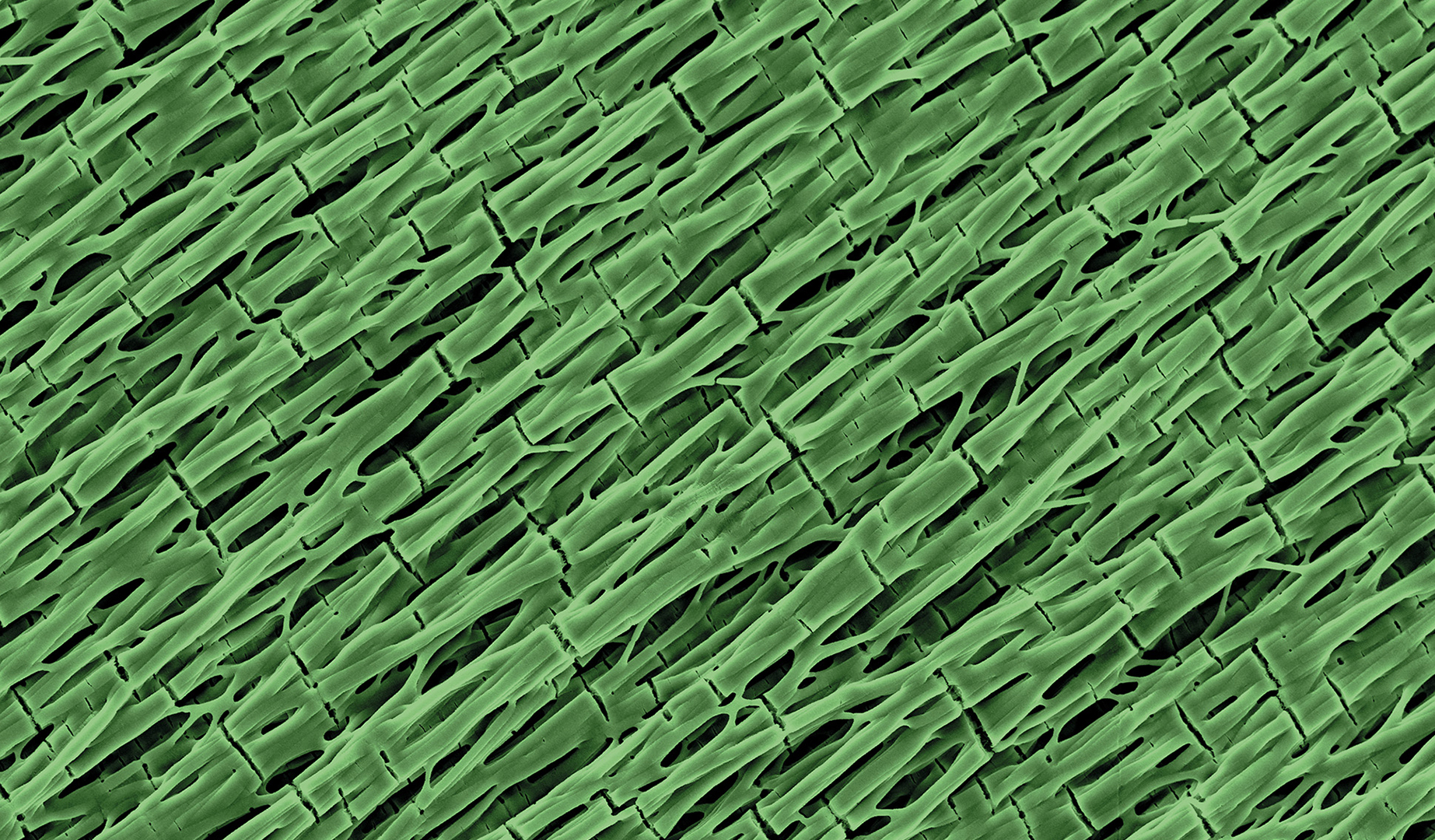
For pandas, who are big on bamboo, this is the promise of a feast. But these appetizing green stalks are 10 times smaller than a human hair... and they’re made from polymer fibers obtained by electrospinning. This production method uses an electric field to stretch and thin a polymer into uniform fibers with a diameter close to a single nanometer. This size gives them enviable properties, particularly in the medical field. However, by pushing these processes to the limit, researchers sometimes miss the mark. Hence the segmented rather than continuous fibers. An error that is rich in lessons and gives us an image that would have any micro-panda drooling…
Colorization
Scanning electron microscopy
Micro-planet
- Photographer
- Margot Dessartine
Université de Sherbrooke
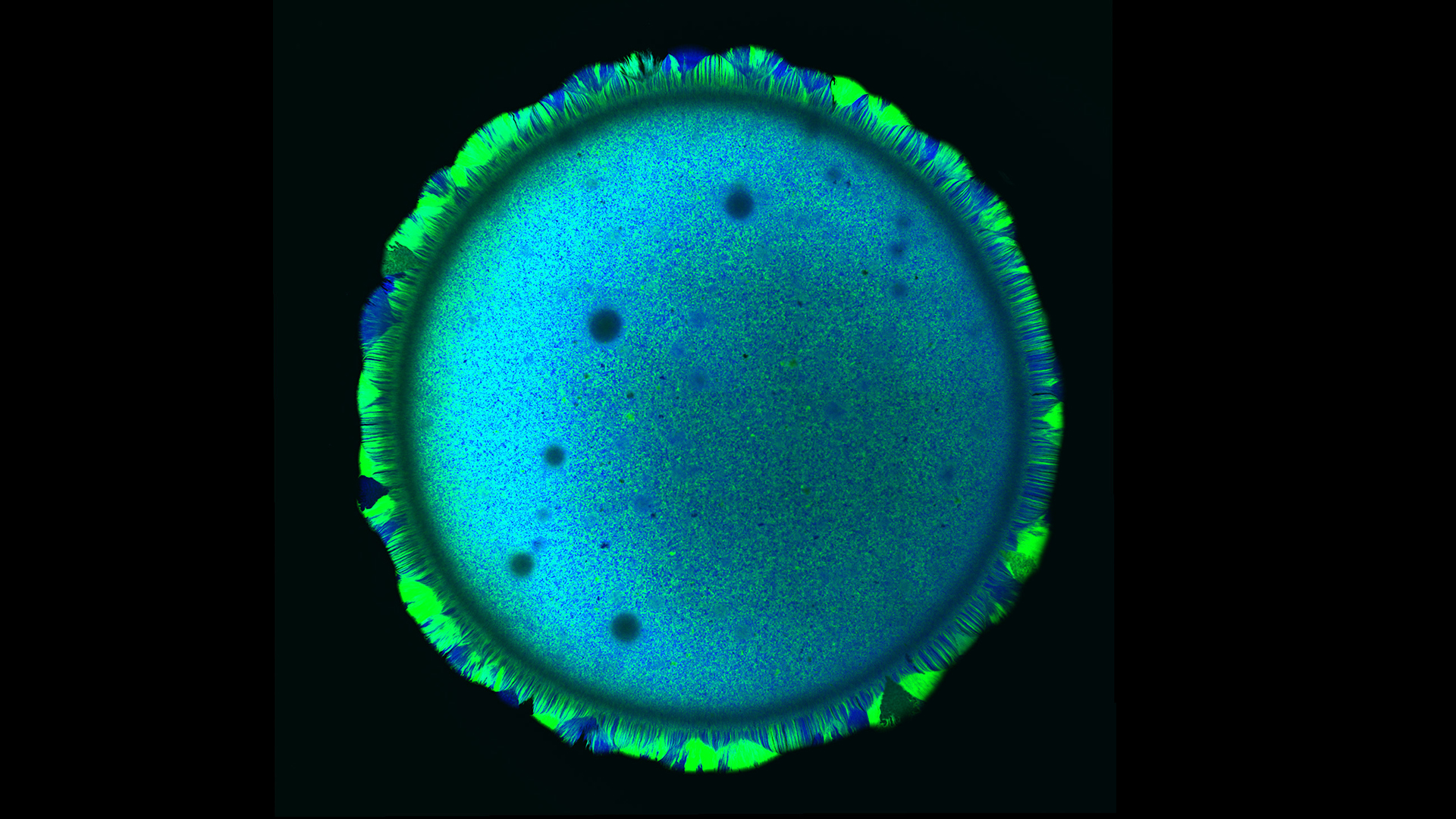
This little world began with a single bacterium, deposited in a nutrient-rich petri dish. Once full, it divided into two almost identical copies of itself... And so on, to the point that its sisters, by successive divisions, set out on a collective conquest of this microscopic realm. Around the perimeter of the conquered territory, a crown of coloured filaments can be seen. These are made up of the sister-bacteria heading up this expansion. From division to division, these legions acquire distinctive characteristics, revealed by variations in fluorescence. This is a clever lab technique designed to better understand how these bacteria assemble into biofilms.
Magnification: 10x
Combination of 16 confocal microscopy images
Naval impressions
Jonathan Blais
- Photographer
- Anik Boileau
Université Laval
- Jamie Ahloy-Dallaire
Université Laval
- Jonathan Blais
Centre d'éducation et de recherche de Sept-Îles
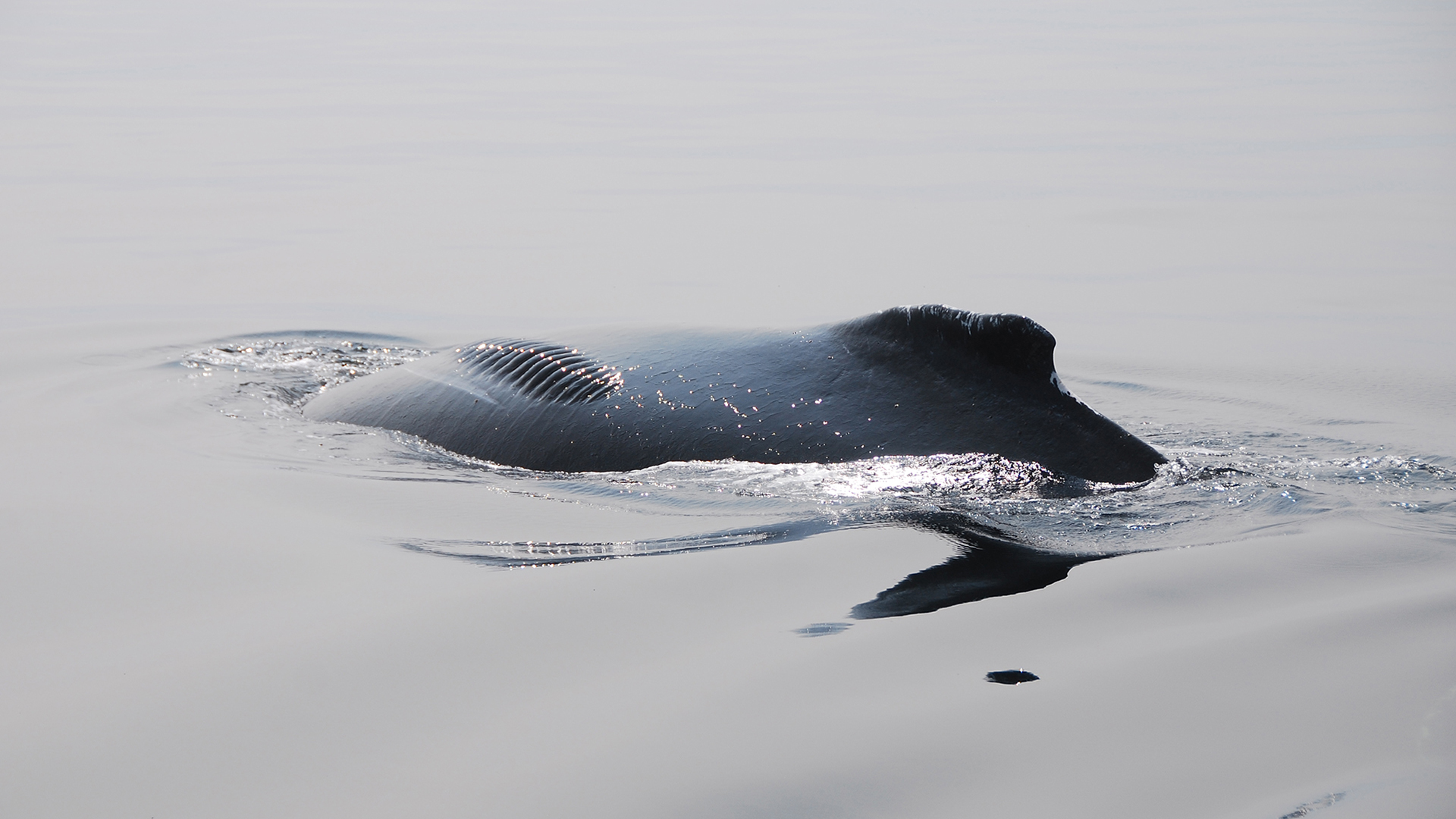
This humpback whale has had an unpleasant encounter, as the deep scar shows. In this particular case, it was the result of a boat collision, but fishing gear is also a frequent cause of injury. The researcher analyzed about 6,000 photos of fin and humpback whales taken in the Sept-Iles region. Half of the fin whales bear scars, as do 48& of the humpback whales. The consequences are serious: all these wounded individuals are also showing signs of weight loss, which is a cause for concern for their health—the central theme of this study.
Digital photograph
Recreational destruction: The art of polymer dynamics
- Photographer
- Mohammad Mahdi Nasiri
Concordia University
- Mohammad Reza Daneshvar Garmroodi
Concordia University
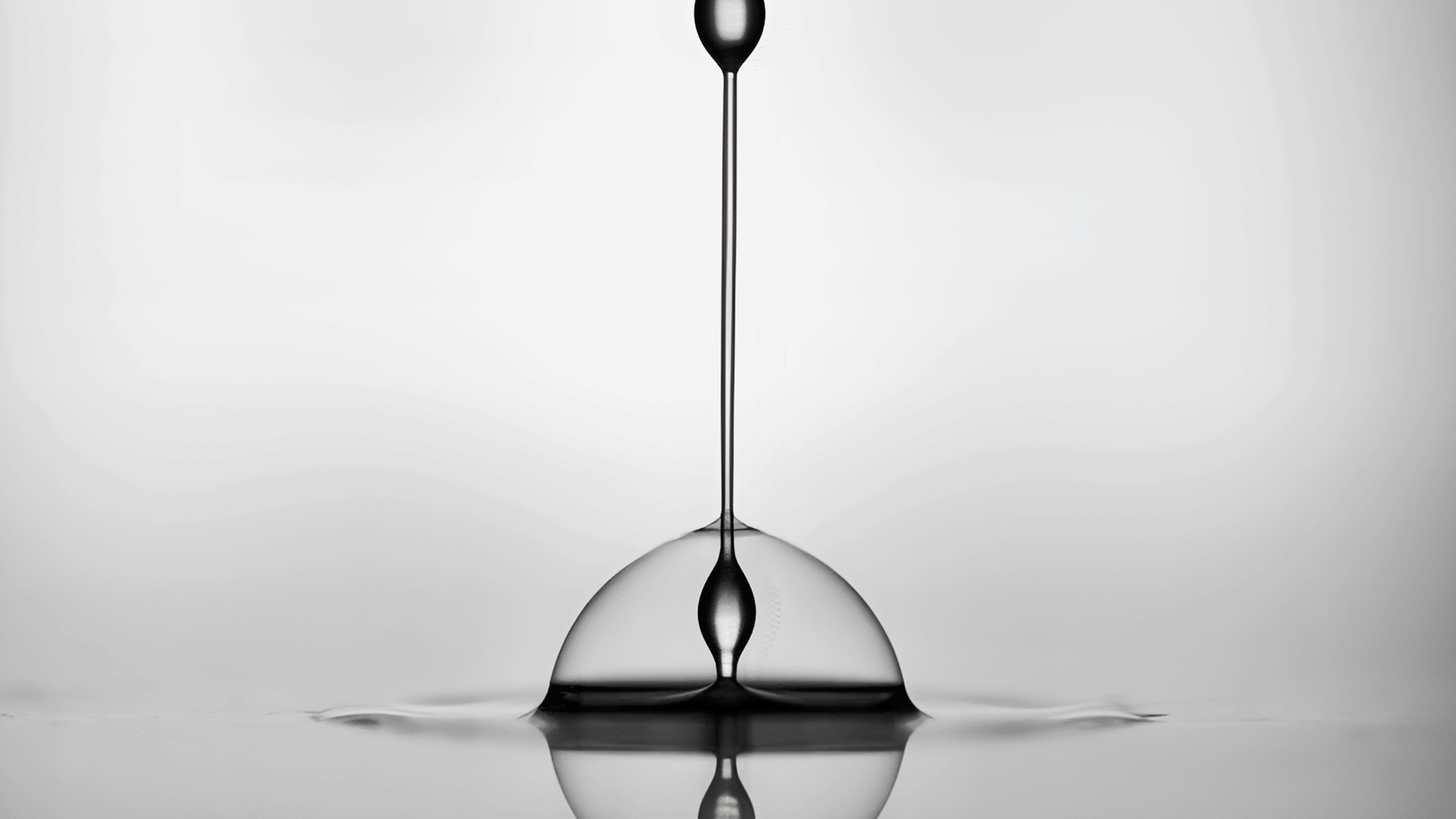
Understanding how liquid polymers behave is key to improving their use in manufacturing and materials science. We are exploring how polymer droplets react upon impact in order to develop a cost-effective method for accurately determining liquid polymer characteristics. This striking image captures a hollow polymer droplet milliseconds after it collided with a surface. As it recoils, it briefly forms a mesmerizing structure of interconnected droplets and bubbles linked by a delicate filament. The shape and lifespan of that formation as well as the size of its components depend on the polymer's surface tension and viscosity, which in turn dictate how the structure collapses, recoils and reforms. The filament stretches and thins over time, while smaller droplets and bubbles form as energy dissipates. By studying these rapid transformations, we can turn fluid dynamics into measurable data, bridging the gap between polymer science and practical diagnostics.
Sheer anatomy
- Photographer
- Gloria D’Amaral
University of Windsor
- Tricia Carmichael
University of Windsor
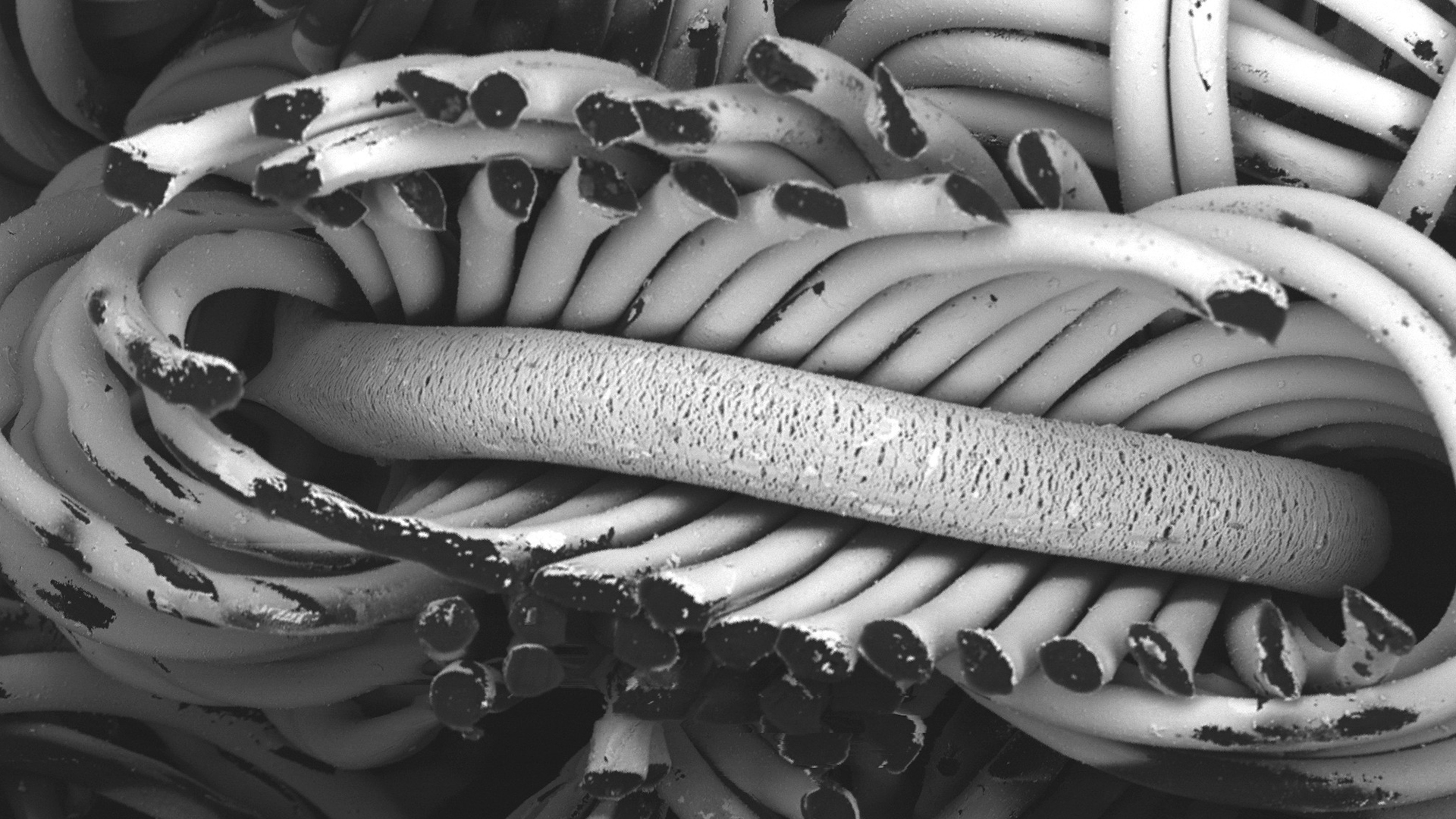
Sheer fabric offers an excellent foundation for the creation of stretchable electrodes, unlocking possibilities for advanced wearable technologies. Understanding the structure of these fabrics is key to developing flexible electronic materials. This image shows a cross-section of Wolford-branded, 15-denier pantyhose composed of spandex and nylon fibres. The thicker central spandex fibre gives the fabric its stretch, while the surrounding nylon coils add durability. The fibres are so tightly intertwined that separating them is incredibly challenging, but we were able to capture this close-up of the spandex fibre. The fabric is semitransparent due to the gaps between the threads, and becomes more transparent as it stretches. When coated with metal, this fabric can function as an electrode in a light-emitting device. This innovative application has exciting potential for use in smart clothing, health-care monitoring, and emergency safety gear.
Snow syrup
- Photographer
- Élise Bouchard
Université du Québec à Montréal
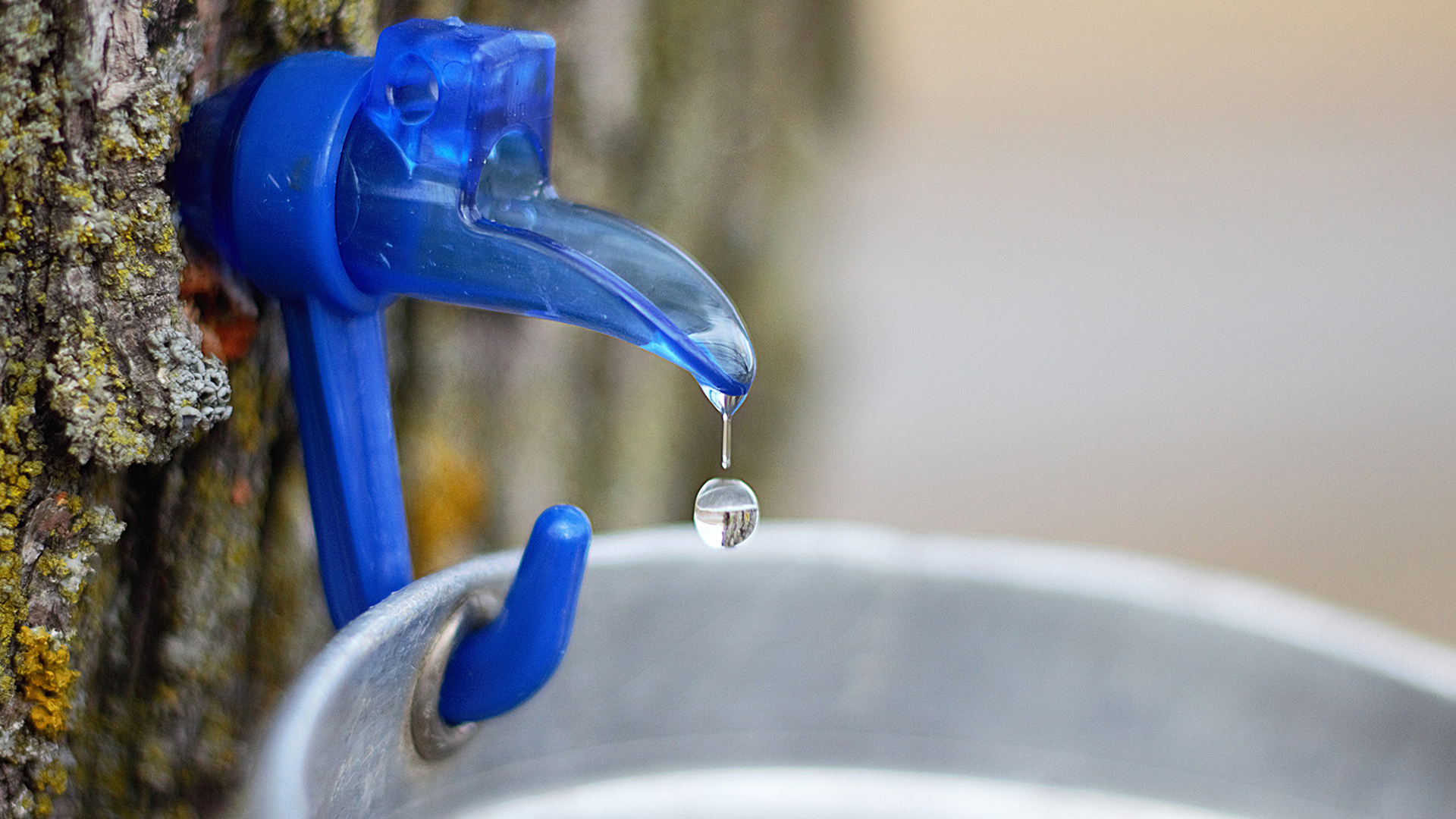
What is the origin of maple water—that sweet sap that turns into syrup? Leaves, because they transpire, are the primary vectors of water circulation in trees. Yet, in spring, sap flows abundantly in sugar maples still devoid of foliage. To shed light on this unique phenomenon, which still begs to be explained, a PhD student is using an isotope tracer to track the water in the maples. She has observed that the future syrup comes mainly from snowmelt water, and not from water contained in the tree before winter. This breakthrough sheds light on the impact of climate on the spring rehydration of trees and on maple syrup production.
Digital photograph
The decisive moment
- Photographer
- Brian Duarte
The University of British Columbia
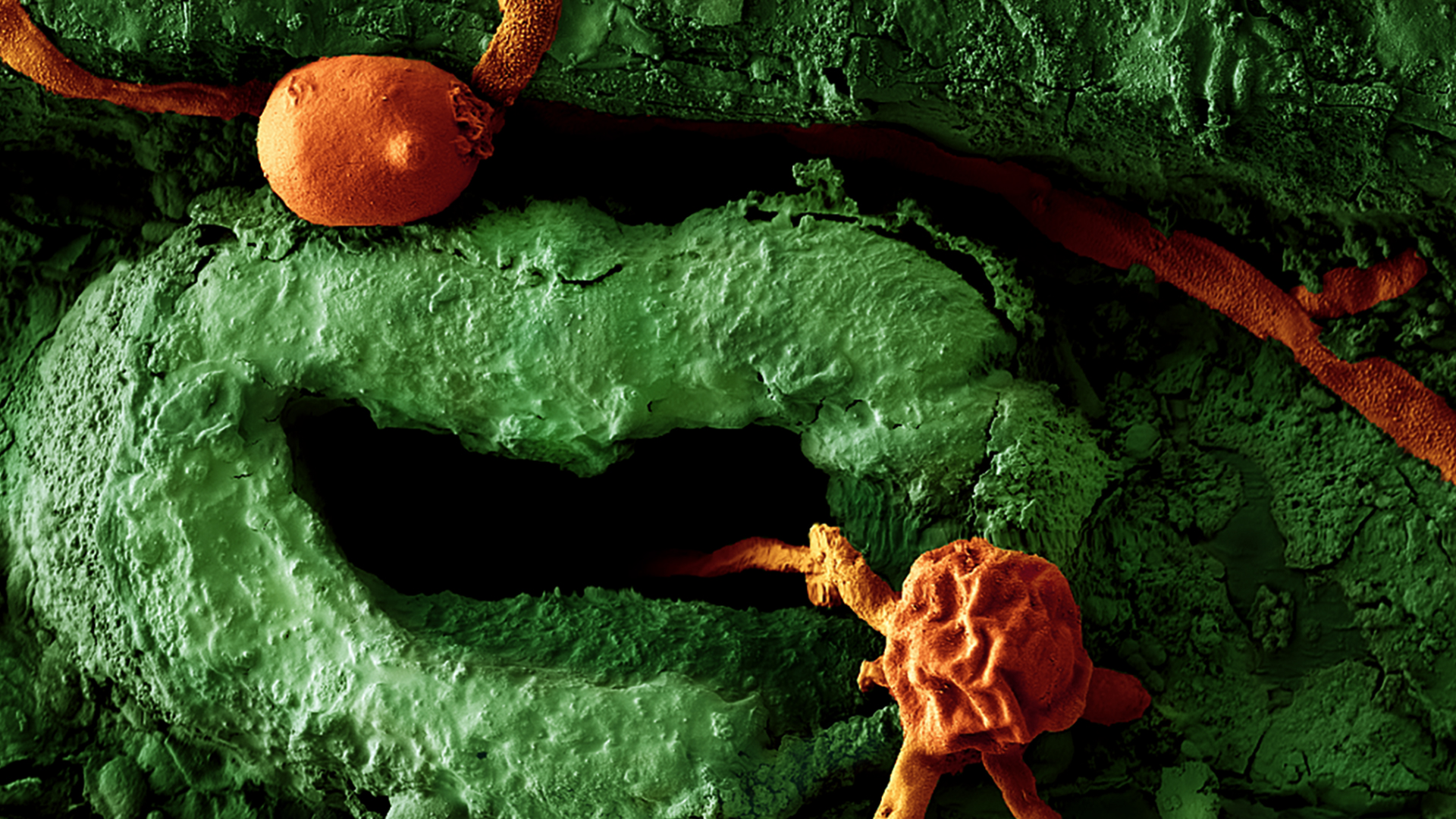
White pine trees across North America are being devastated by the orange rust fungus Cronartium ribicola. This pathogen hijacks the tree’s resources, fuelling infection and destruction—so understanding how it infects its hosts is key to protecting these forests. This microscopic image shows the fungus as it enters the pine’s stomatal pores (microscopic holes on the surface of the needles). Once inside, the fungus invades the pine’s tissues and takes over its metabolic machinery, diverting the tree’s resources to fuel its own proliferation. What makes C. ribicola so successful? It is a shapeshifter within a two-host system: changes throughout its life cycle allow it to alternatively colonize pine trees and gooseberry shrubs. By studying its complex life cycle and two-host specificity, I aim to uncover the evolutionary secrets behind its resilience and find strategies to protect North America’s white pines.
The plastic side of the moon
- Photographer
- Mauricio Kubaski
École de technologie supérieure
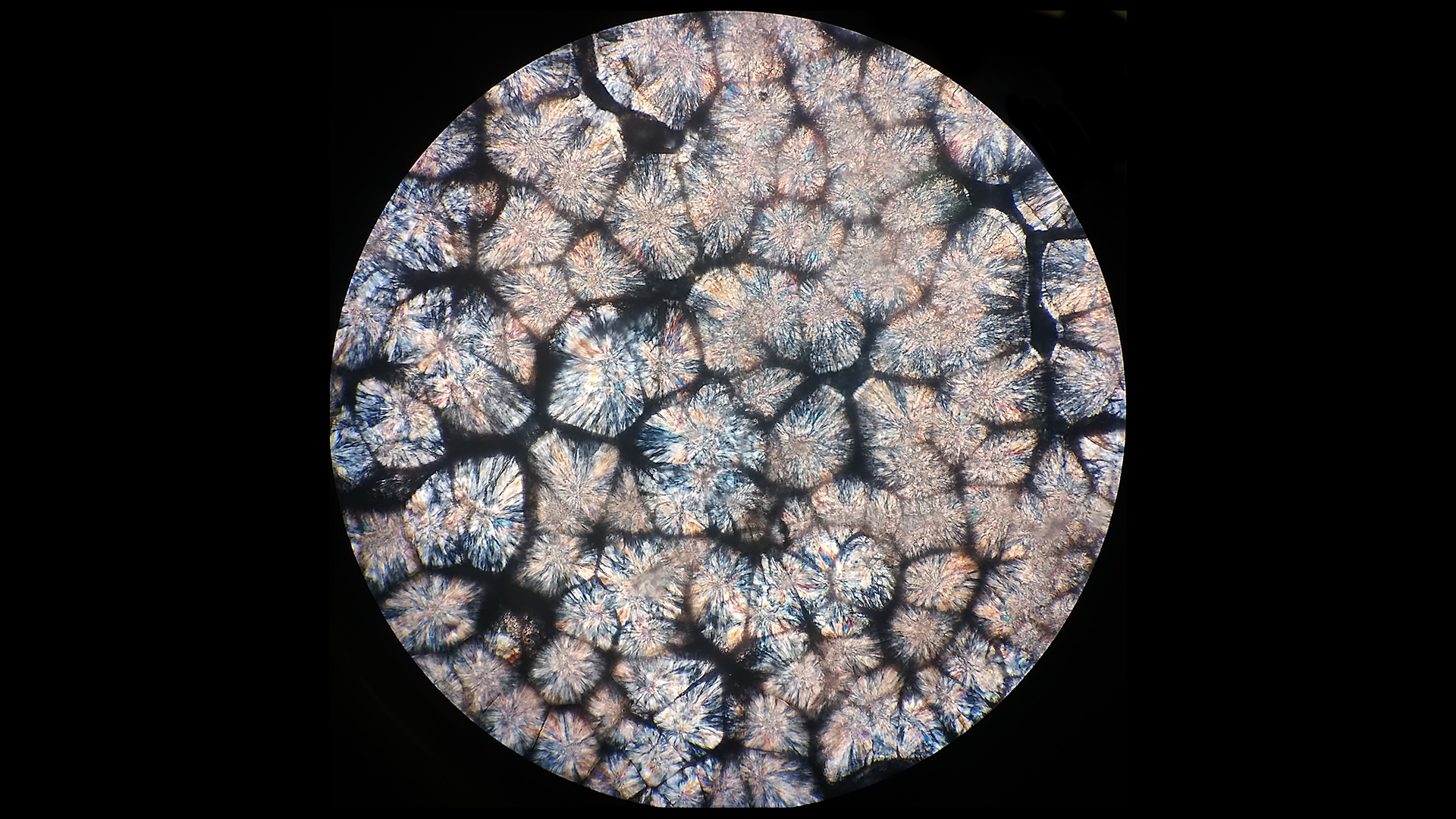
Plastic has fascinating microscopic structures that influence its electrical properties. My research explores how the size of plastic crystals affects the performance of polymer-based materials in electronics. Polypropylene, a semicrystalline plastic and type of polymer, forms crystals that can be seen under a polarized optical microscope. This image shows how these crystals scatter light, creating a bright, moon-like pattern. Dark boundaries separate the individual crystal grains. By studying how crystal grain size influences the electrical properties of polymeric materials, we can improve the design of capacitors, sensors, electricity generators, and static-resistant packaging. This knowledge could lead to more efficient and versatile polymer-based electronics.
The silent cry of failing kidneys

- Photographer
- Elizabeth Anim
McGill University
Renal function is essential to human health, and kidney damage is linked to many diseases. Up to 2.9 million Canadians may be suffering from chronic kidney disease. A key factor in kidney health is the proper distribution of proteins within cells, which is crucial for organ function. This image shows the effects of ischemia, a condition in which oxygen supply to the kidney is reduced, impairing organ function. The green signal on the image indicates the presence of aquaporin-1, a water channel protein that is normally found in the cell membrane of unstressed cells. The red signal marks HuR, an RNA-binding protein located in the cell nucleus (blue). The distribution of these proteins in the stressed kidney cells is a sign of organ damage. My research explores how kidney cell morphology and protein distribution change in response to ischemia.
The transmitter and the turtle
- Photographer
- Olivia Baudet
Collège Boréal
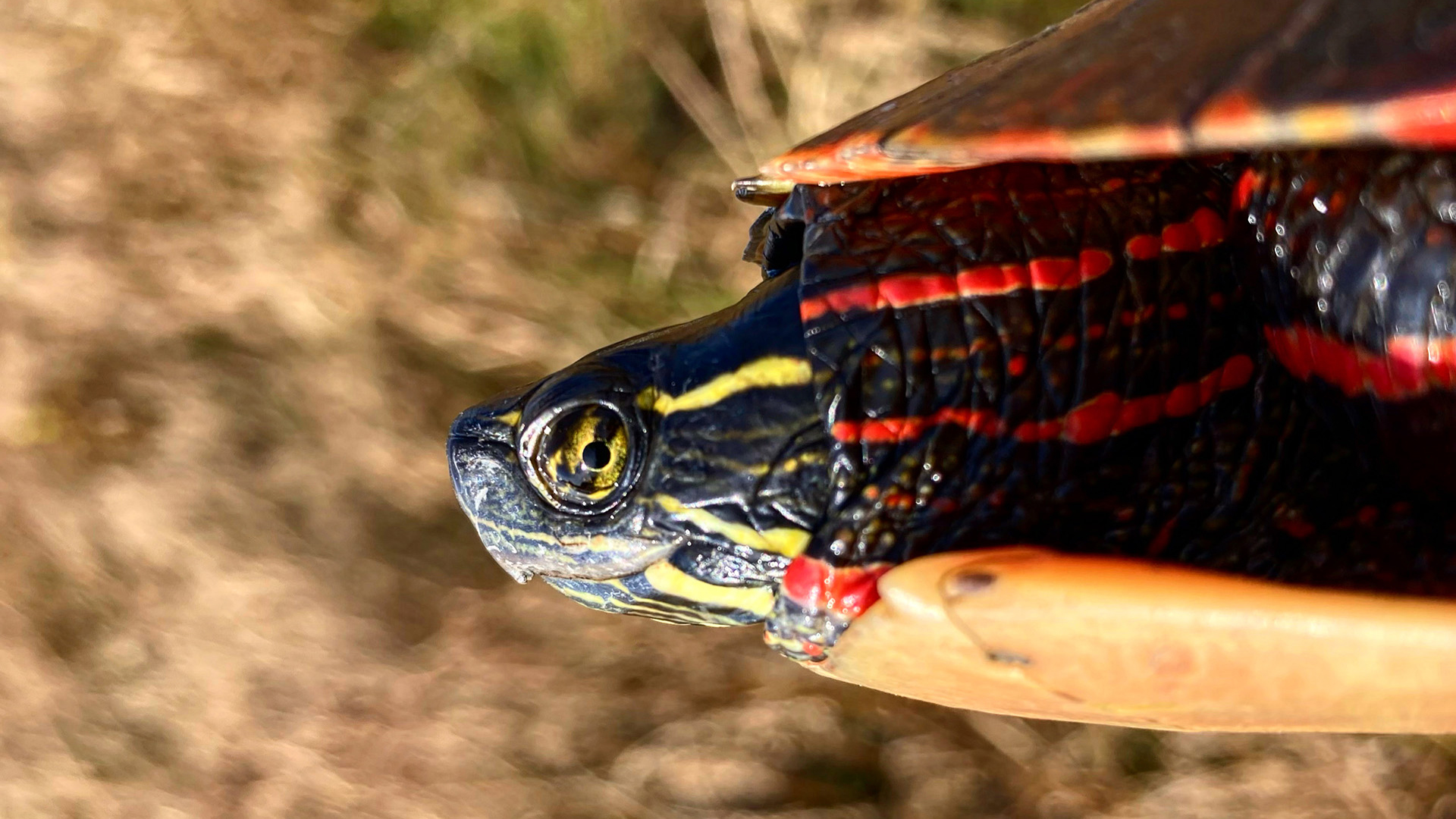
Behold Chrysemys picta, also known as the “painted turtle”. The turtle is being monitored as the threats it faces continue to grow: car collisions, egg predation, and habitat destruction. In this project, a tiny radio transmitter is fitted to the backs of several turtles to accurately map their movements. Representing less than 5& of the turtles' weight, the device tracks their refuges, and more importantly, their breeding grounds. Telemetry will make it possible to implement highly targeted conservation strategies, such as those used in the Sudbury region of Ontario, where this project is currently unfolding.
Digital photograph
The view from the urban canopy
- Photographer
- Étienne Comtois
Université du Québec à Montréal
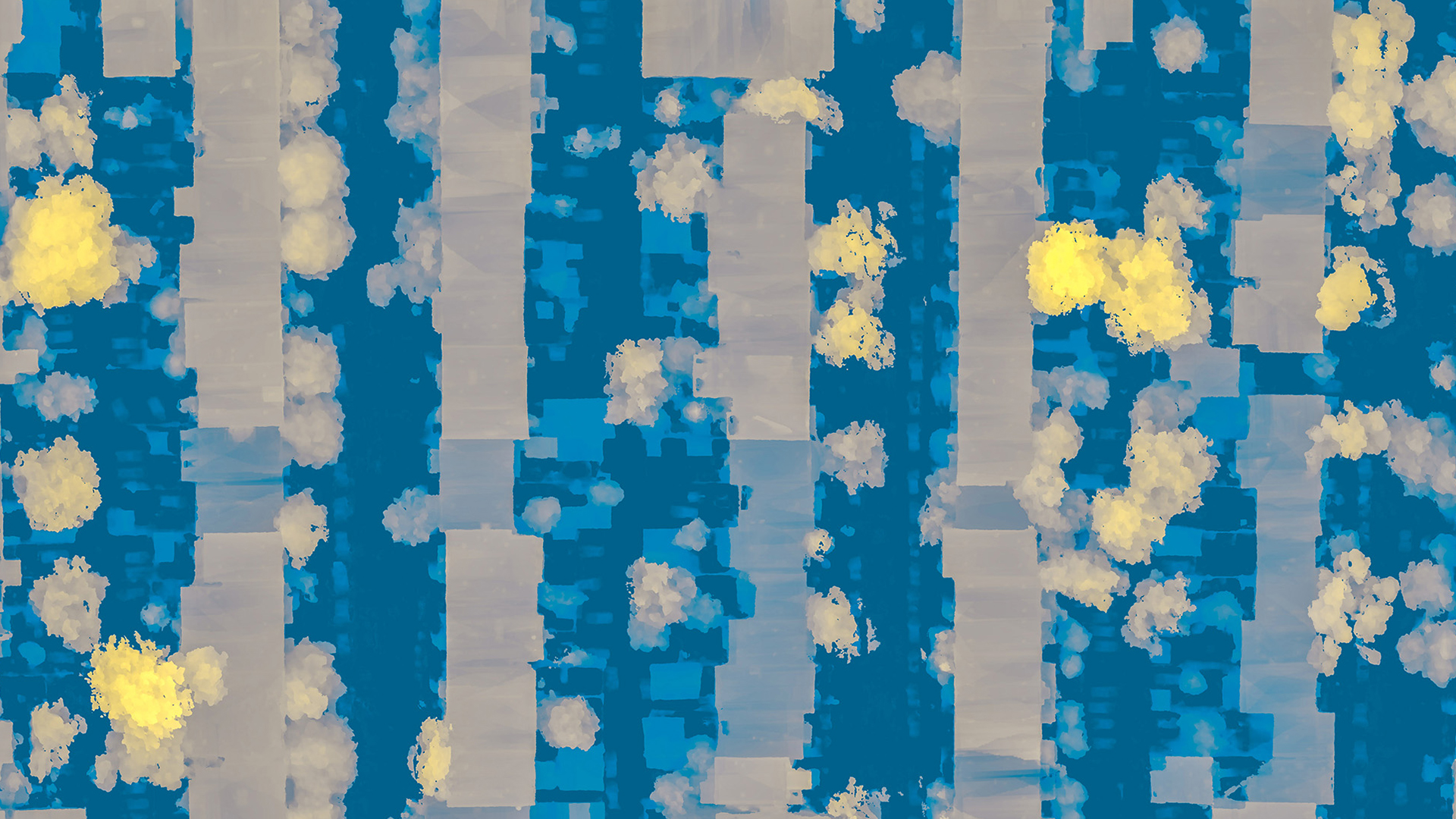
A drone takes photos of the trees, from which the researcher calculates their volume. In this quadrilateral in Montreal’s Verdun district, the blues represent the lowest values, i.e. the ground, and the yellows correspond to the highest values, i.e. the trees. Buildings are shown in grey-brown. The project helps reduce the heat island effect by enhancing the geometry of the trees, which influences ventilation and solar protection. The tool determines which tree species and planting sites to choose for maximum coolness—up to 10°C less under the canopy
Photographic survey by drone
3D reconstruction using Structure from Motion
Spatial resolution of 2 cm per pixel
To kill a cancer cell: Go for the nano-gold
- Photographer
- Ursula Stochaj
McGill University
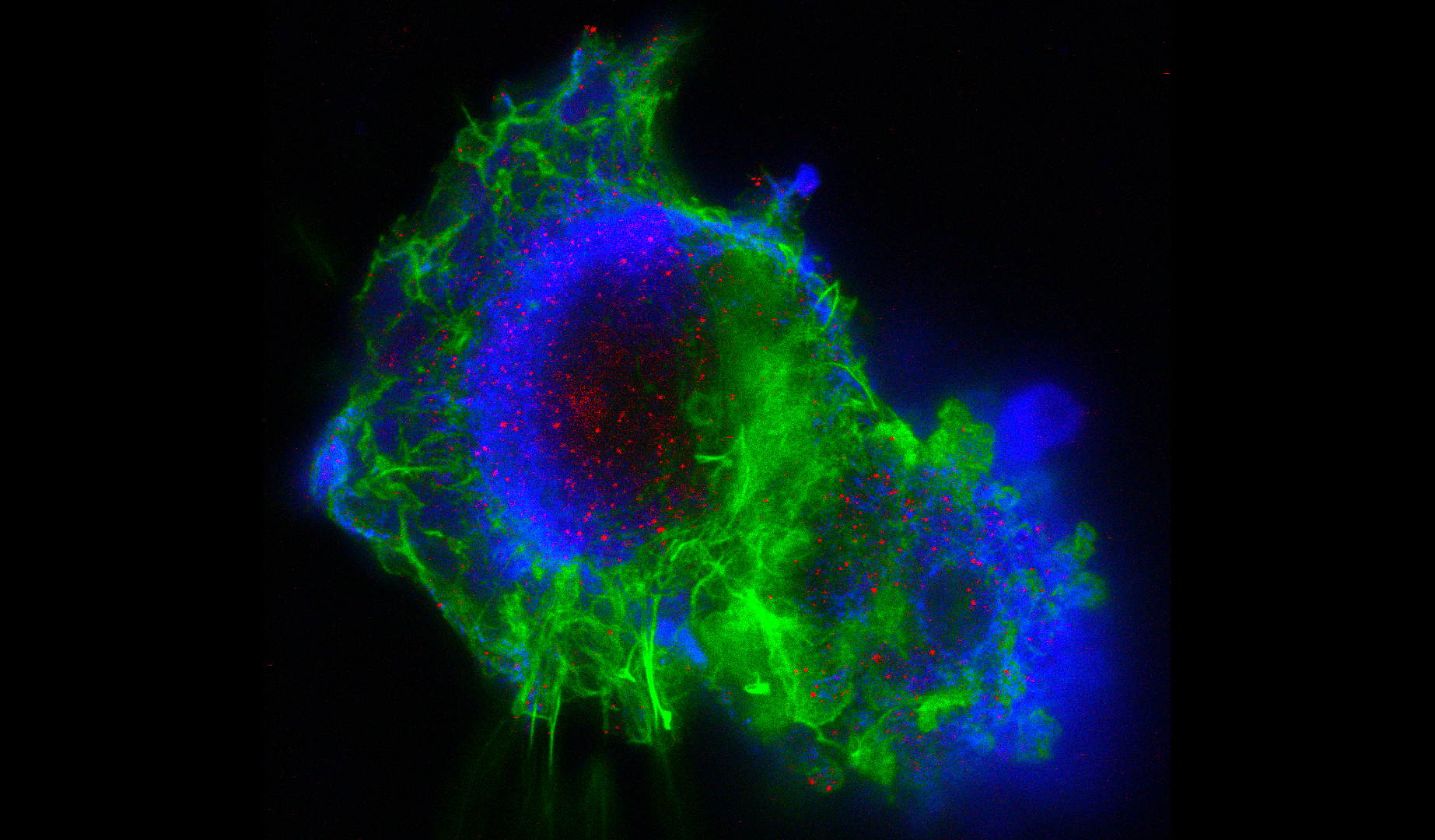
Glioblastoma is one of the most aggressive forms of cancer. Current therapies rarely lead to a cure—but nanomedicine has the potential to improve patient outcomes. Our work explores how gold nanoparticles, called nano-gold, affect human glioblastoma cells. We focused on the cytoskeleton (the structure that helps organize the cell’s internal constituents) since its disruption can lead to the cell’s death. This image depicts a glioblastoma cell treated with nano-gold (red). The cytoskeleton is stained green, while the nucleus is in blue. The nano-gold caused significant damage to different parts of the cell; it triggered a profound reorganization of both the cytoskeleton and nucleus, which culminated in the death of the glioblastoma cell. The results speak to nano-gold’s potential in cancer therapy and offer great hope for the use of nanomedicine in the treatment of cancer.
Venus unveiled
- Photographer
- Lyal Harris
Institut national de la recherche scientifique
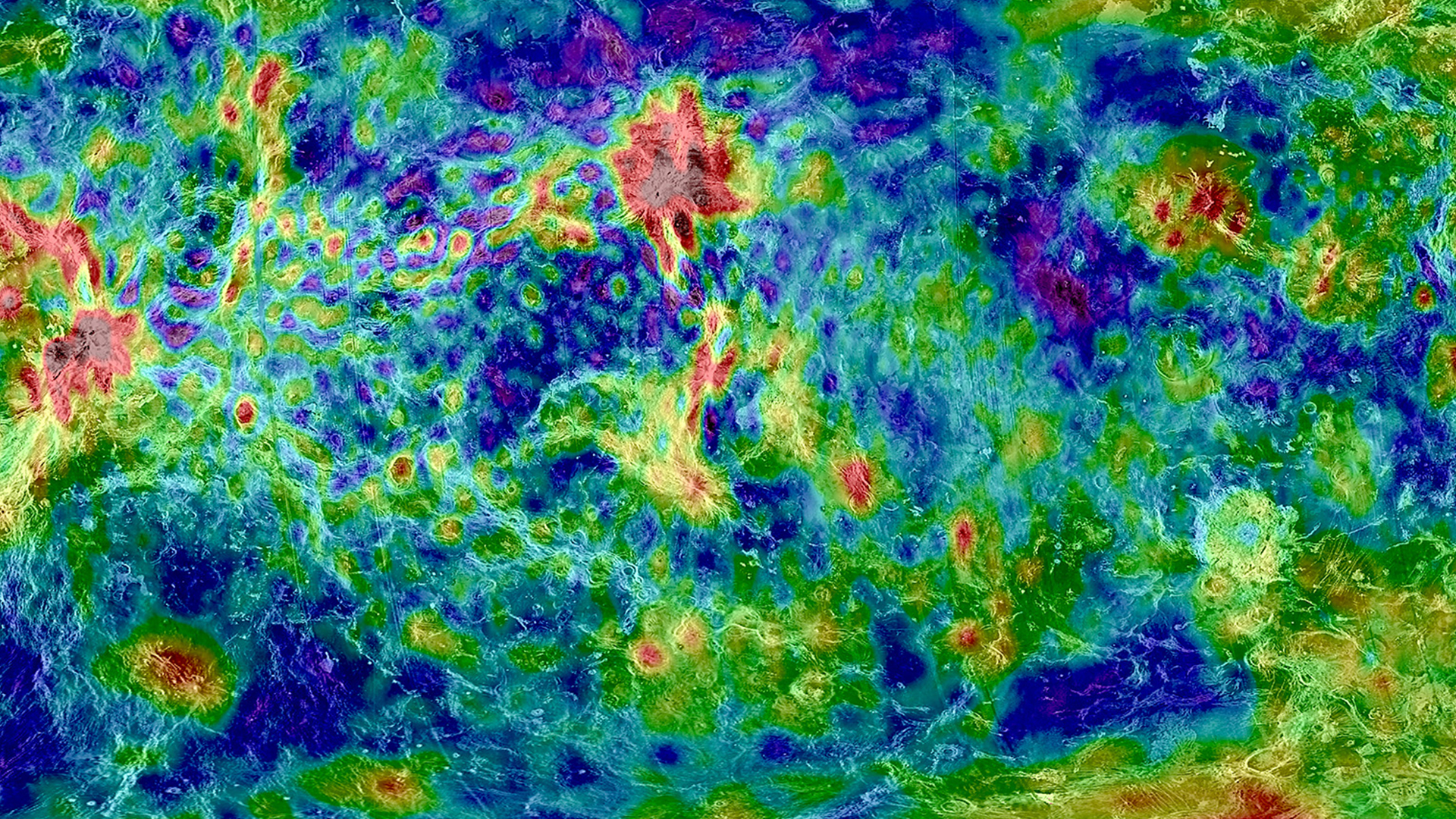
These vibrant colours reveal Venus’ deep geological layers, hidden beneath basalt flows. As rock density increases, cold tones change to warm tones. Calculated by NASA’s Magellan probe in 1999, these variations are now revealing their secrets, thanks to the power of new image processing tools. Like Hawaii or Iceland, Venus is shaped by volcanism associated with mantle plumes, the hotter masses that rise from the planet’s inner depths. This unprecedented perspective also sheds light on the ancient formation processes of our Earth, Venus’ twin planet.
Grayscale radar image revealing the planetary surface, merged with a colour image showing density variations
Viral blossoms
- Photographer
- Zeinab Hosseinidoust
McMaster University
- Tohid Didar
McMaster University » McMaster School of Biomedical Engineering
- Lei Tian
McMaster University
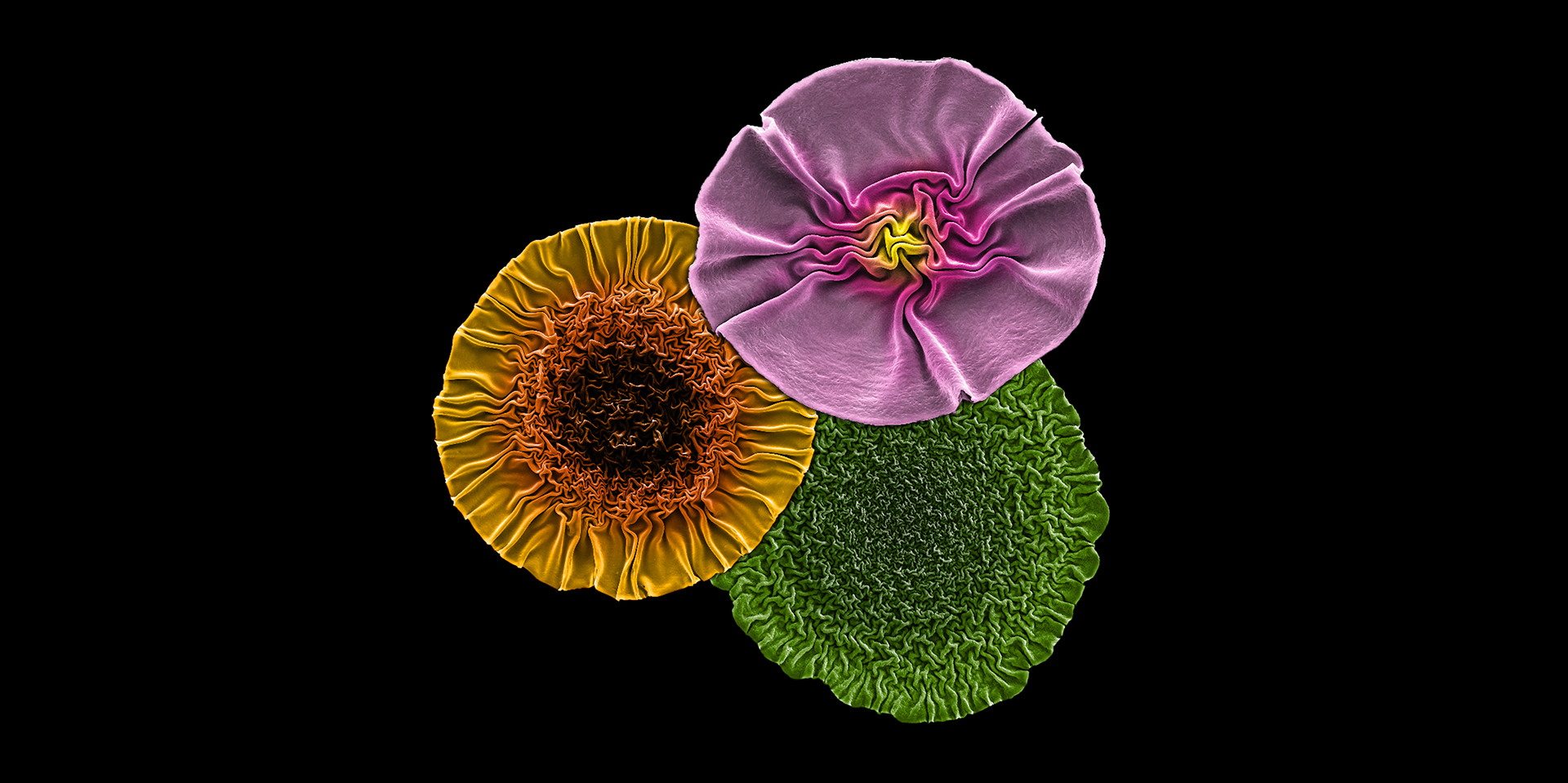
Every day, nature produces intricate microscopic structures that scientists have been trying to replicate with biological materials for decades. Wrinkled structures are very important because they pack a high surface area into a small space, much like a crumpled piece of paper. The tiny flower-like formations shown here, each smaller than a needle prick, are built entirely of bacteriophages (viruses that infect bacteria). These delicate structures form spontaneously when bacteriophages are exposed to carbon dioxide at high pressure—a serendipitous discovery. Thanks to this finding, we were able to develop a biologics-friendly way to create microscopic structures very similar to those found in nature. This breakthrough enabled us to design a powerful biosensor for detecting the bacteria responsible for Legionnaires’ disease in contaminated industrial water samples.
Waltzing against the chaos
- Photographer
- Emma Teszner
Université de Montréal
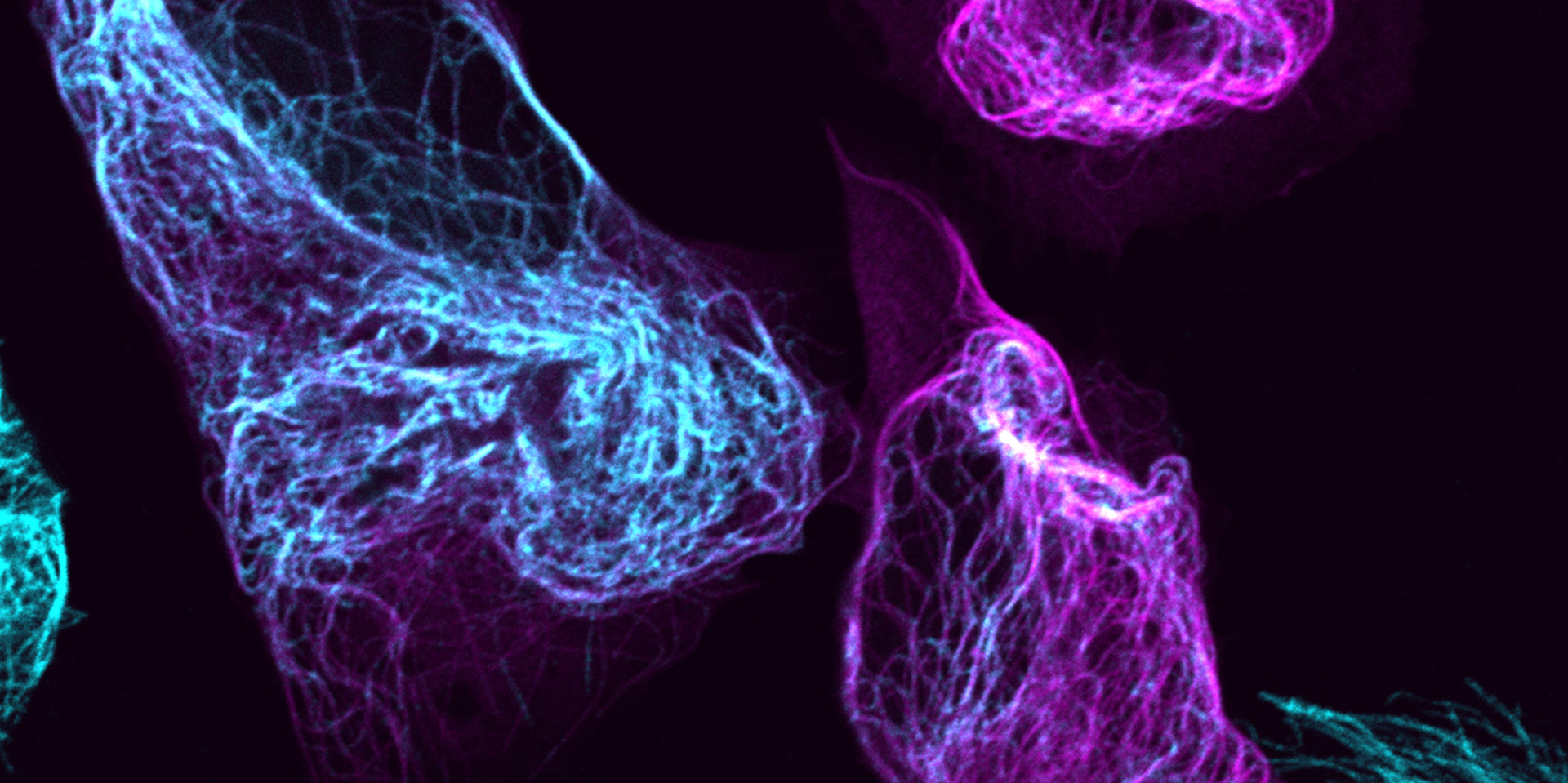
At the heart of the human cell, a silent yet powerful waltz unfolds. Like graceful filaments, microtubules (in blue) support and guide proteins (in pink-purple), some of which have the function of repressing tumor growth. The fragile choreography between these components ensures cell stability and quell the chaotic disturbances of cancer. When the dance is over, cancer cells proliferate out of control. Understanding this molecular dialogue nourishes the hope of finding innovative strategies to fight tumors.
Magnification: 63x
Colorization with fluorescent antibodies
Confocal laser-scanning microscopy
Washing away the ash
- Photographer
- Jenelle McCuaig
University of Alberta
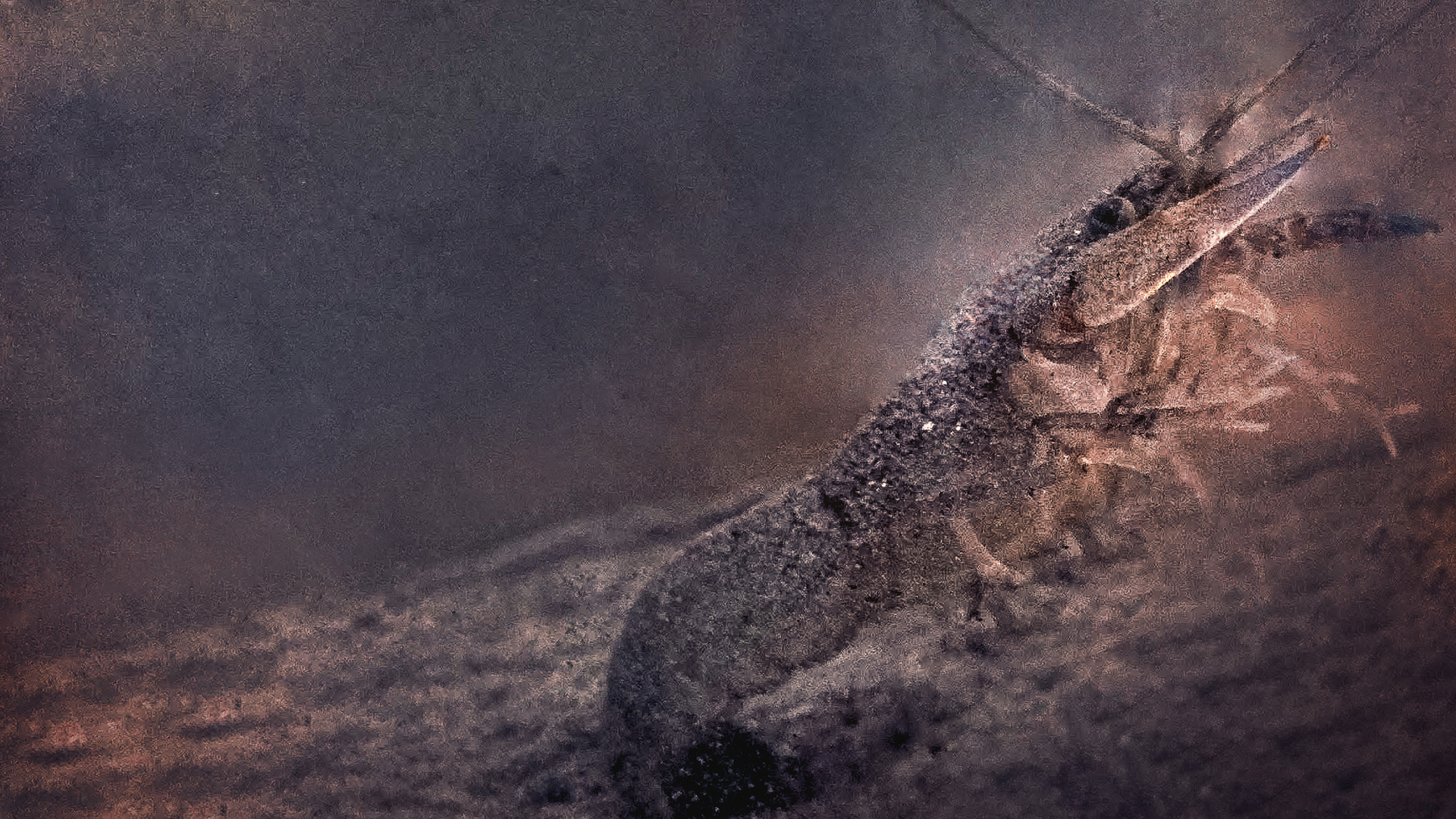
Around the world, wildfires are more and more frequent and severe, with devastating consequences. While their impacts on land are visible and unmistakable, fires also affect aquatic environments when ash falls into water bodies or is washed into them from the landscape. Once in the water, ash can release contaminants, such as metals and organic combustion byproducts, putting aquatic life at risk. This image shows a freshwater crayfish swimming in ash-contaminated water, with flecks of ash littering its back, as it reaches upward to escape the contamination. The orange enhancements represent the glow of the flames overhead. Water does not burn, but even aquatic organisms cannot escape the impact of fire. Through my research, I explore how wildfire ash affects aquatic animals’ respiration and metabolism. By understanding how these creatures survive and cope with wildfires, I hope to contribute to species conservation.