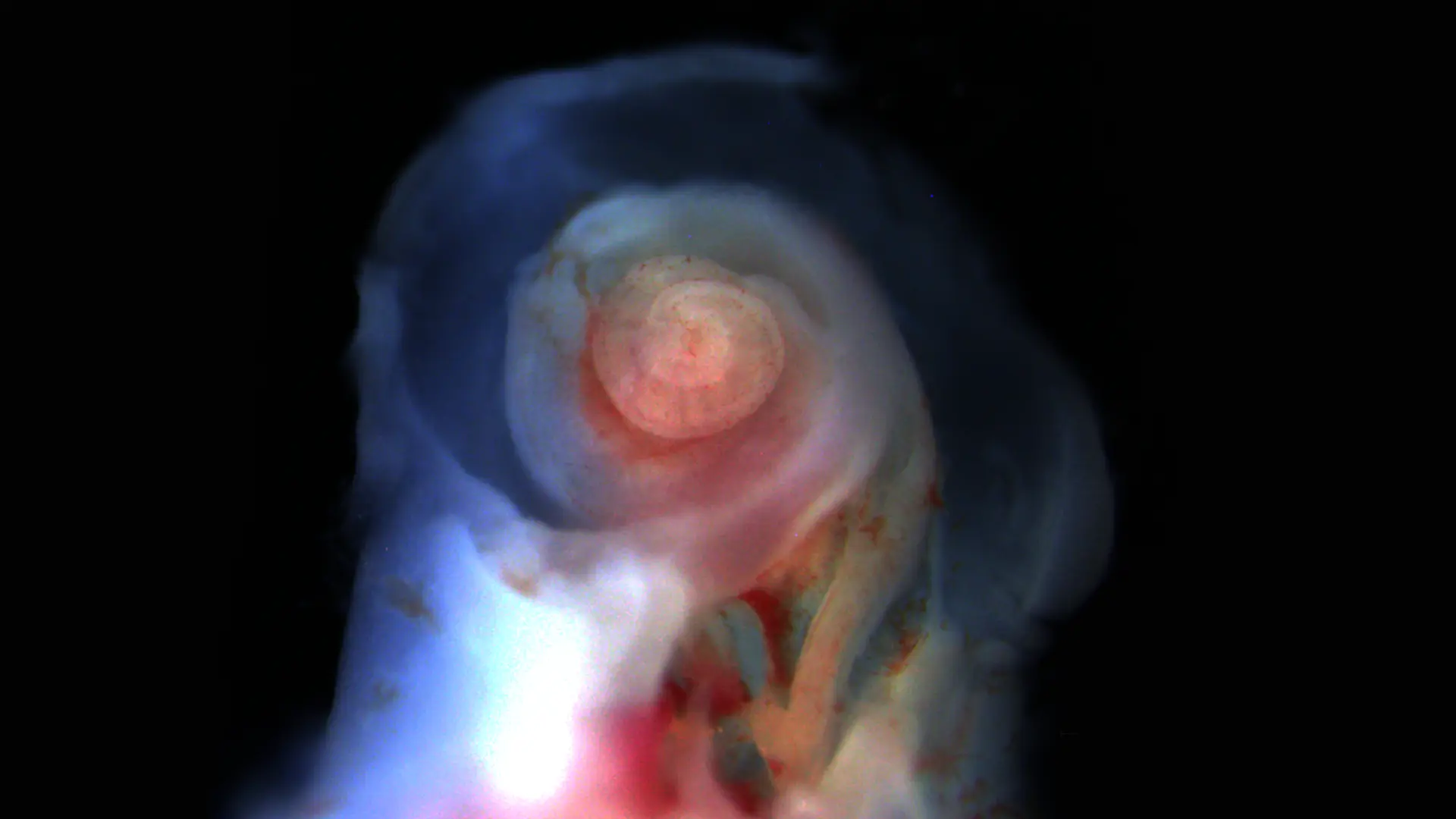
A nascent hearing galaxy
- Photographer
- Emilia Luca
Sunnybrook Research Institute
Mathematics does not shape beauty only in galaxies; it also guides the formation of the human inner ear. During development, the cochlea, our organ of hearing, curls into a precise spiral that is essential for detecting both high- and low-frequency sounds. In this microscopy image, dissection reveals the cochlear duct tightly coiled inside the developing inner ear, echoing the same logarithmic spiral seen in galaxies like the Whirlpool Galaxy. By charting how this “hearing galaxy” forms, we can gain new insight into the origins of hearing disorders and develop ways to protect and regenerate the fragile sensory cells that connect us to the sounds of our world.
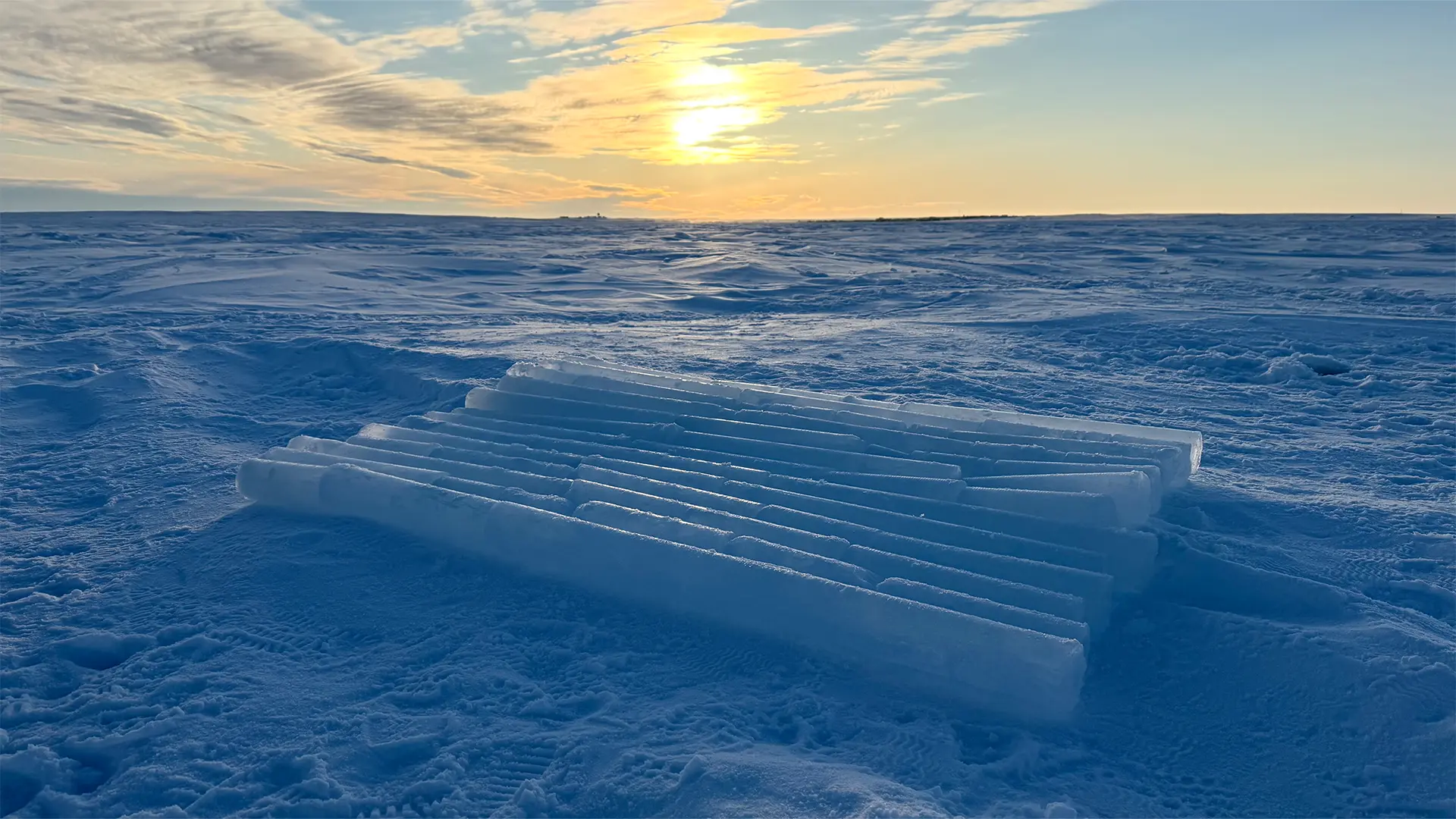
At the core of an icy issue
- Photographer
- Fleur Issac
University of Alberta
As Arctic shipping expands, so does the risk of shipping fuel contaminating Arctic waters. Beneath the vast, open landscape of the frozen Arctic Ocean lies an ecosystem that provides insights into how a changing climate is affecting the Canadian Arctic. This image shows ice cores laid out on the frozen ocean in Cambridge Bay, Nunavut, under the midnight sun. These cores—cylindrical samples drilled through the sea ice—were collected so we could gather algae and plankton from the ocean below. Algae form the base of the marine food web, supporting the plankton and fish that are ecologically and economically vital to northern communities. My project explores how exposure to shipping fuel contaminants affects these Arctic marine organisms. The goal is to better understand their biological responses and support preparedness for potential fuel spills in the Canadian Arctic.
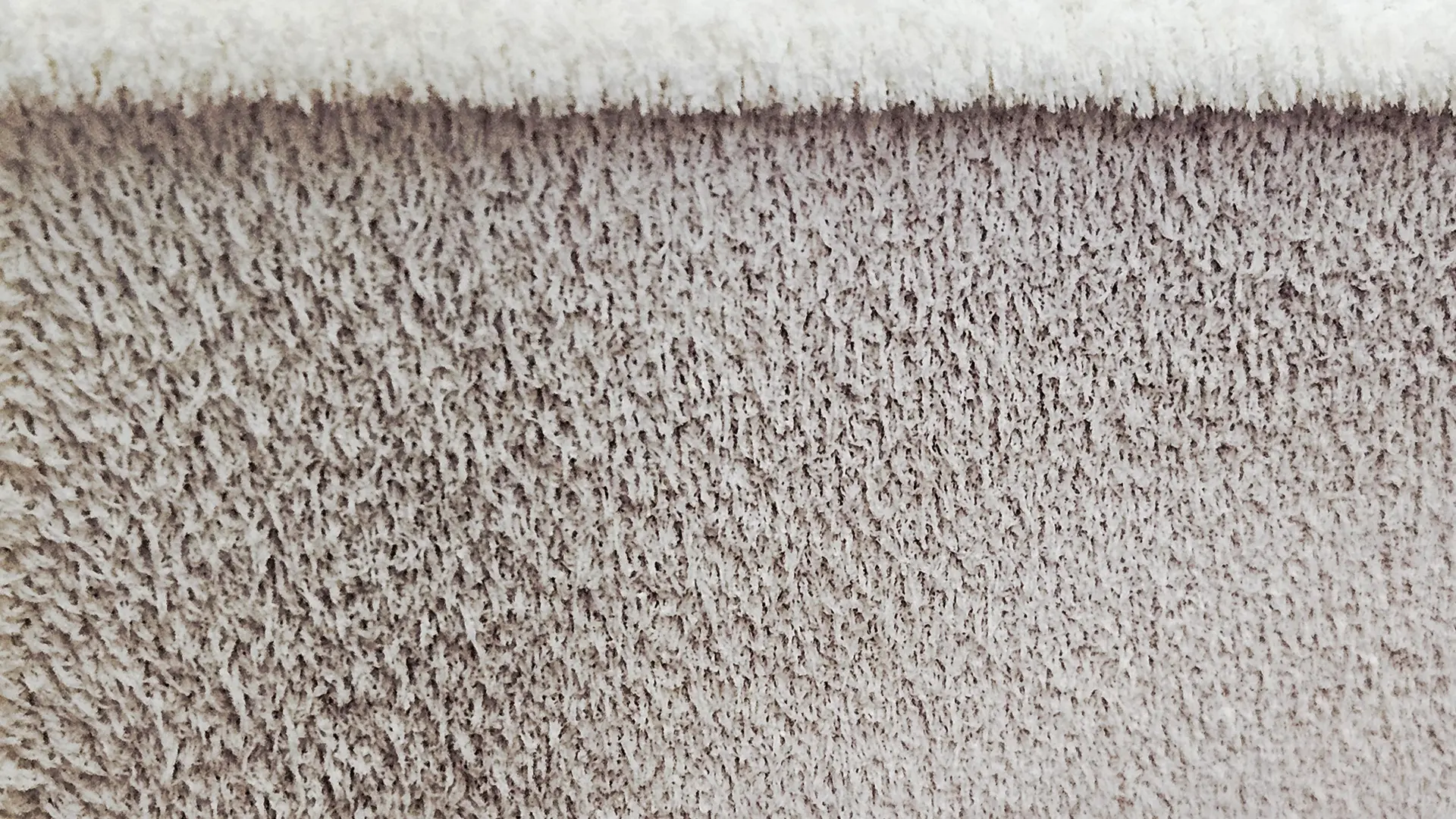
Charged snowfall for plant protein
- Photographer
- Justin Joseph
University of Saskatchewan
This image captures a vision: protein particles separating on an electrode like snow drifting over fields—a quiet signal of a cleaner, brighter future for Canadian food. Reminiscent of winter’s stillness, it shows tribo-electrostatic separation, a technique that uses electrical charge to sort particles. It offers the Canadian grain sector a new way to unlock plant protein. By gently charging particles based on their surface properties, protein-rich components separate in a fully dry, low-energy process with no water, solvents or waste. This method can be used alone or with complementary techniques such as air classification, improving purity and yield while enabling local, sustainable protein production. We are among the first in Canada to explore its potential, opening new paths for how we use our grains.
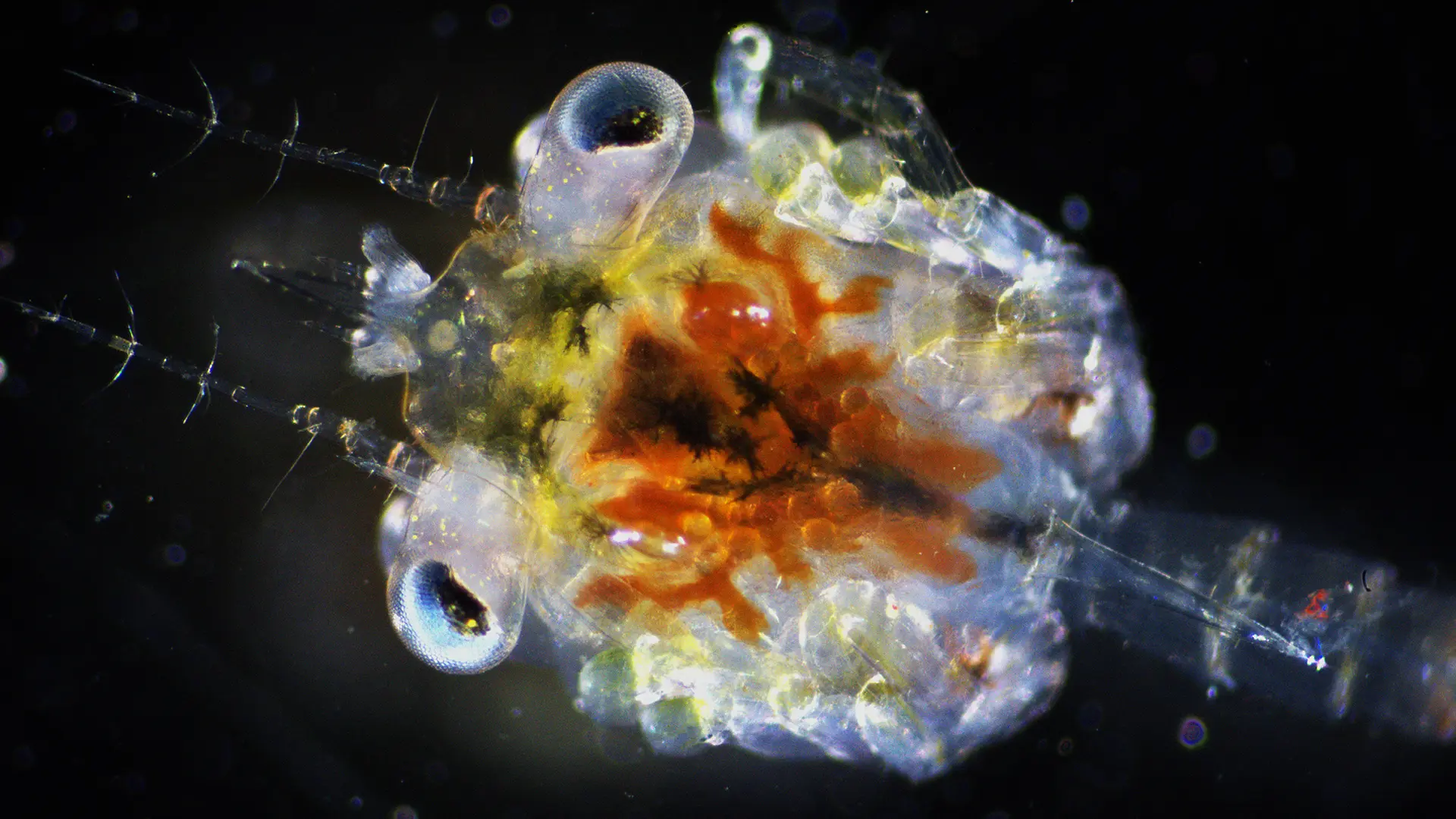
Crab transformers
- Photographer
- Dezaiah Sheena
The University of British Columbia
- Nicole Jung
The University of British Columbia
- Heather Earle
Hakai Institute
Most people wouldn’t recognize this creature as a Dungeness crab. But observing the larval stages of this species—the final, or megalopal stage, is pictured here—may offer key insights into its future: larval abundance may predict adult abundance three to four years later. While this relationship has held true on the Oregon coast, we are now investigating whether it is also the case on B.C.’s more complex coastline. By bringing together scientists, youth and volunteers who are excited about baby crabs, this long-term citizen science project is cultivating greater understanding and care for crabs, moving us toward more proactive, community-led stewardship that promotes resilience in the face of growing pressures from fishing and climate change. This baby crab captivated our youth researcher with its stunning red colouration, and it reminds us all why this work matters.
Drafting into the future
- Photographer
- Matthew Krmpotic
University of Waterloo
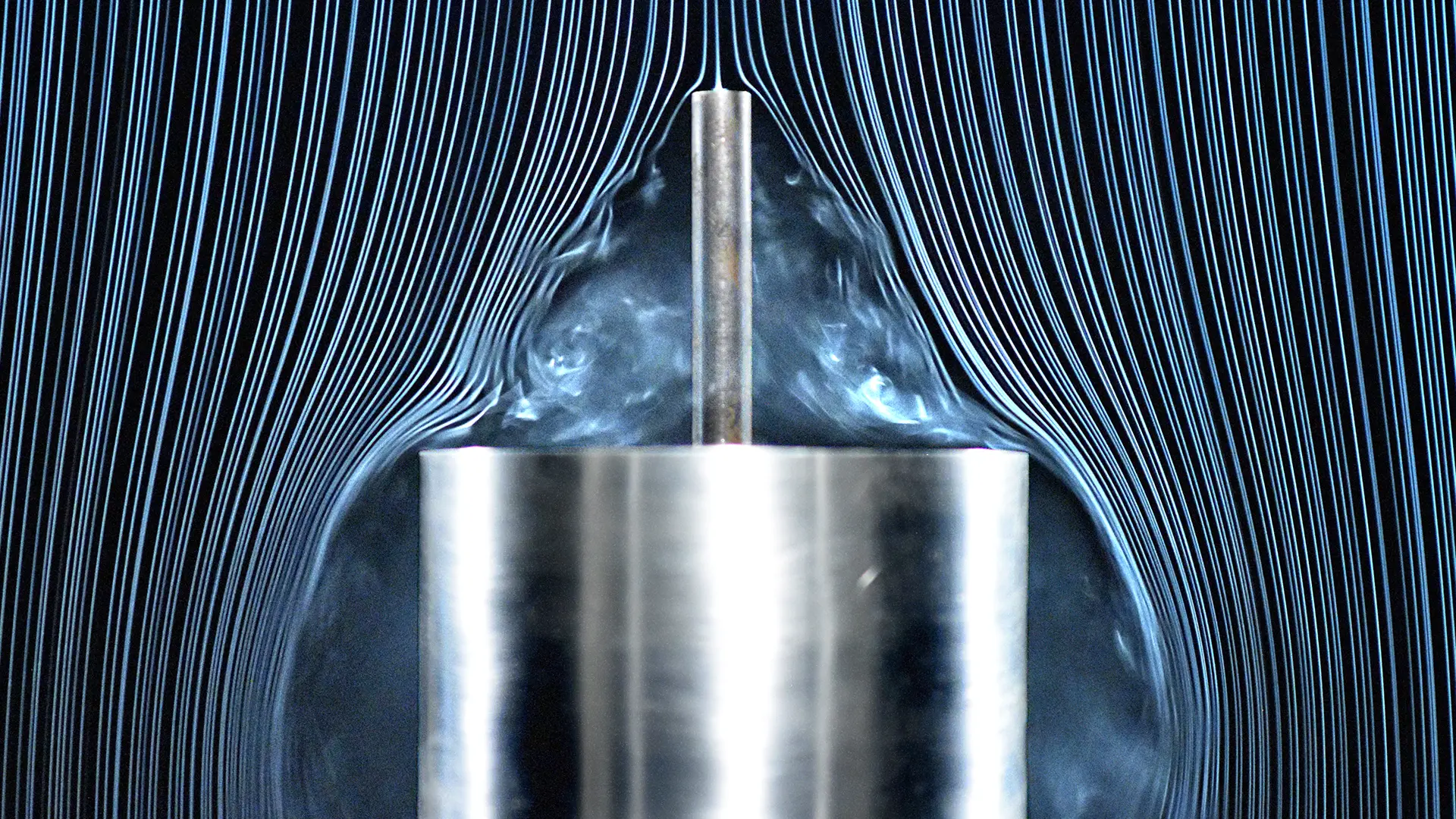
To help combat climate change and reduce emissions from the transportation sector, vehicles can work together while driving. In this simplified lab model, the smaller cylinder (on top) shows how a leading vehicle can cut through the air to create a path for others to follow, while the larger cylinder shows how a trailing vehicle can benefit from the wake of those ahead. Both behaviors together contribute to reducing the combined aerodynamic drag on the vehicles (that is, the resistance of air pushing against them), leading to higher fuel efficiency, longer range and reduced emissions. My work aims to understand why one behaviour may be more important than the other in different situations and to predict how the two behaviours generally interact. By better understanding how vehicles move through air, we hope to one day see a world with more collaboration and fewer emissions.
Edge of infection
- Photographer
- Connor Thompson
The University of British Columbia
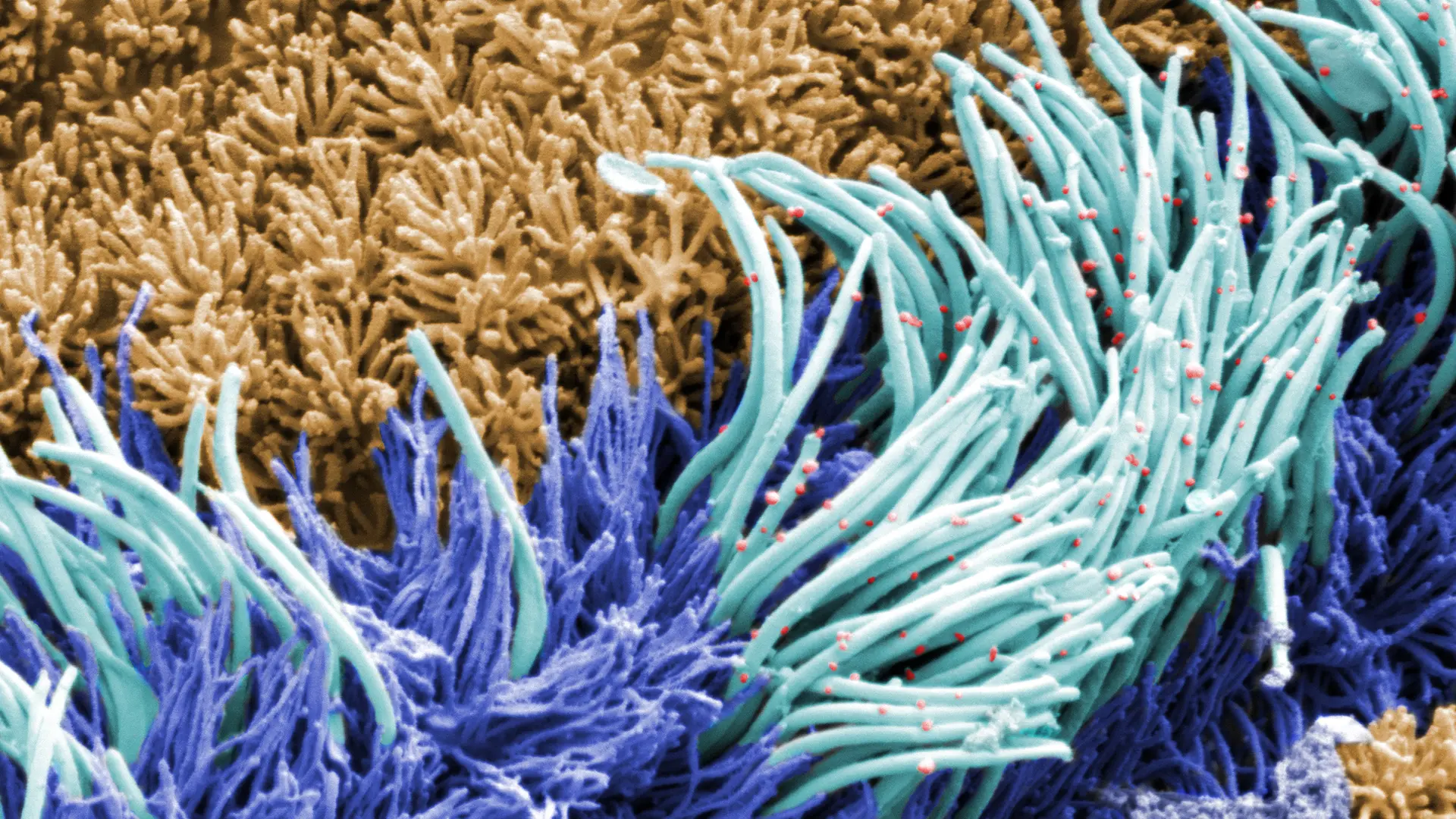
In this striking high-resolution view, influenza A virus begins its attack on human nasal tissue. Cilia—tiny, hair-like structures that move and help clear mucus and trapped pathogens from the nasal passage—appear in cyan. Viral particles that are attaching to and invading these cells are visible in red. Microvilli, finger-like projections on the cell surface, are shown in darker blue, while shorter cilia appear in tan. As it spreads, the virus drives changes in the size and number of these structures. Observing these early events helps us understand host-virus interactions, and this could contribute to the development of antiviral strategies to stop infection before it can reach deeper tissues. This image captures the remarkable microscopic activity happening right under—or in this case, inside—our noses.
From yeast to beast
- Photographer
- Adria Bateman
University of Regina
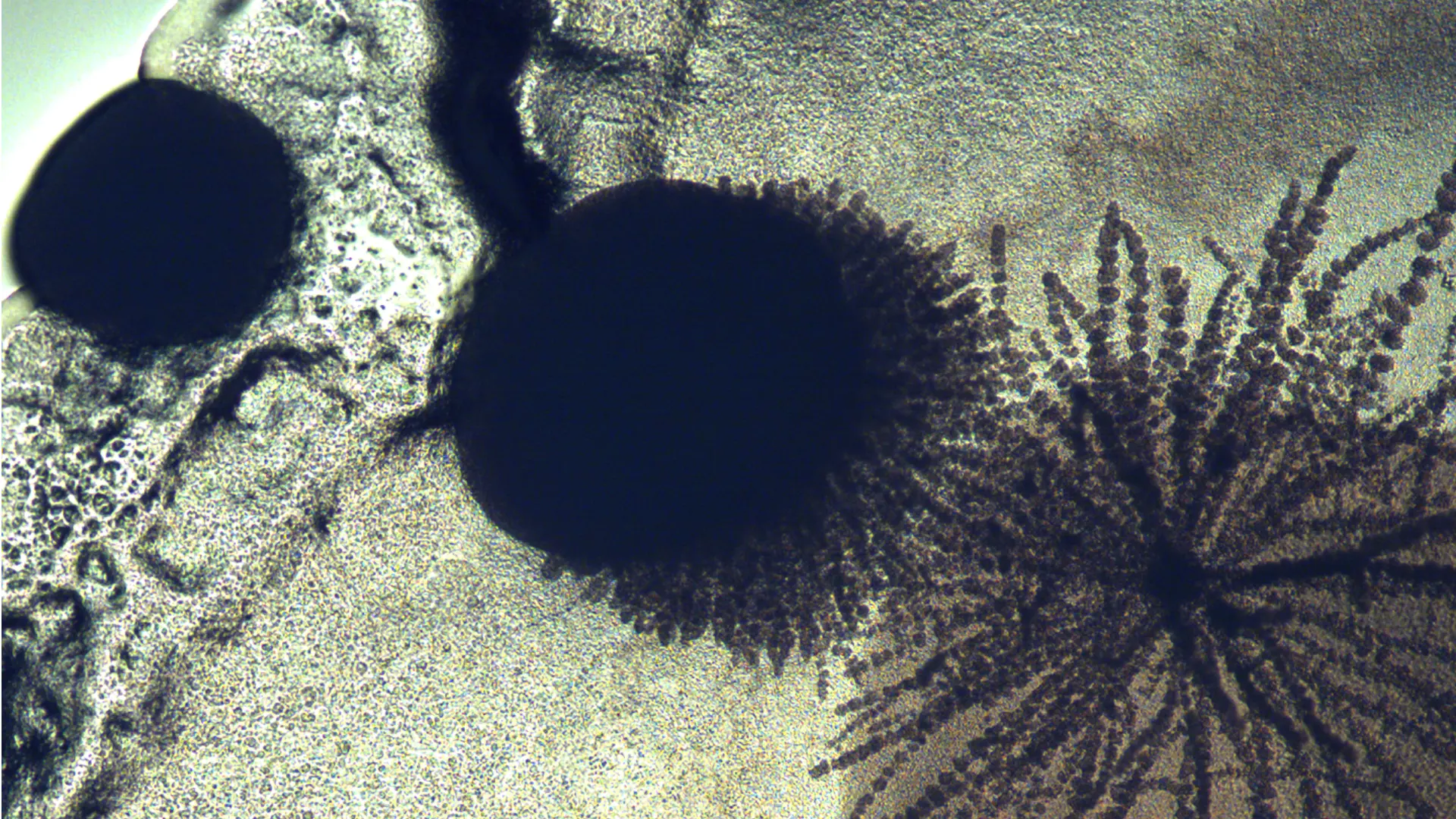
Candida albicans is a relatively common member of the gut, skin and vaginal microbiomes, where it exists as a single-celled yeast in balance with other microbes. But what happens when this balance is disrupted? Changes in the microbiome can allow C. albicans to overgrow and transition into its invasive multicellular hyphal form (seen here as the dark starburst threads radiating from a central point), leading to infections that are difficult to treat. With the emerging threat of antimicrobial resistance, developing new antifungals is critical. Our research focuses on preventing C. albicans from making this dangerous shift. By studying how C. albicans interacts with bacteria, we hope to uncover novel antifungals that target this transition.
High five!
- Photographer
- Annie Rubio Ortega
Université de Sherbrooke
- Oraly Sanchez Ferraz
Université de Sherbrooke
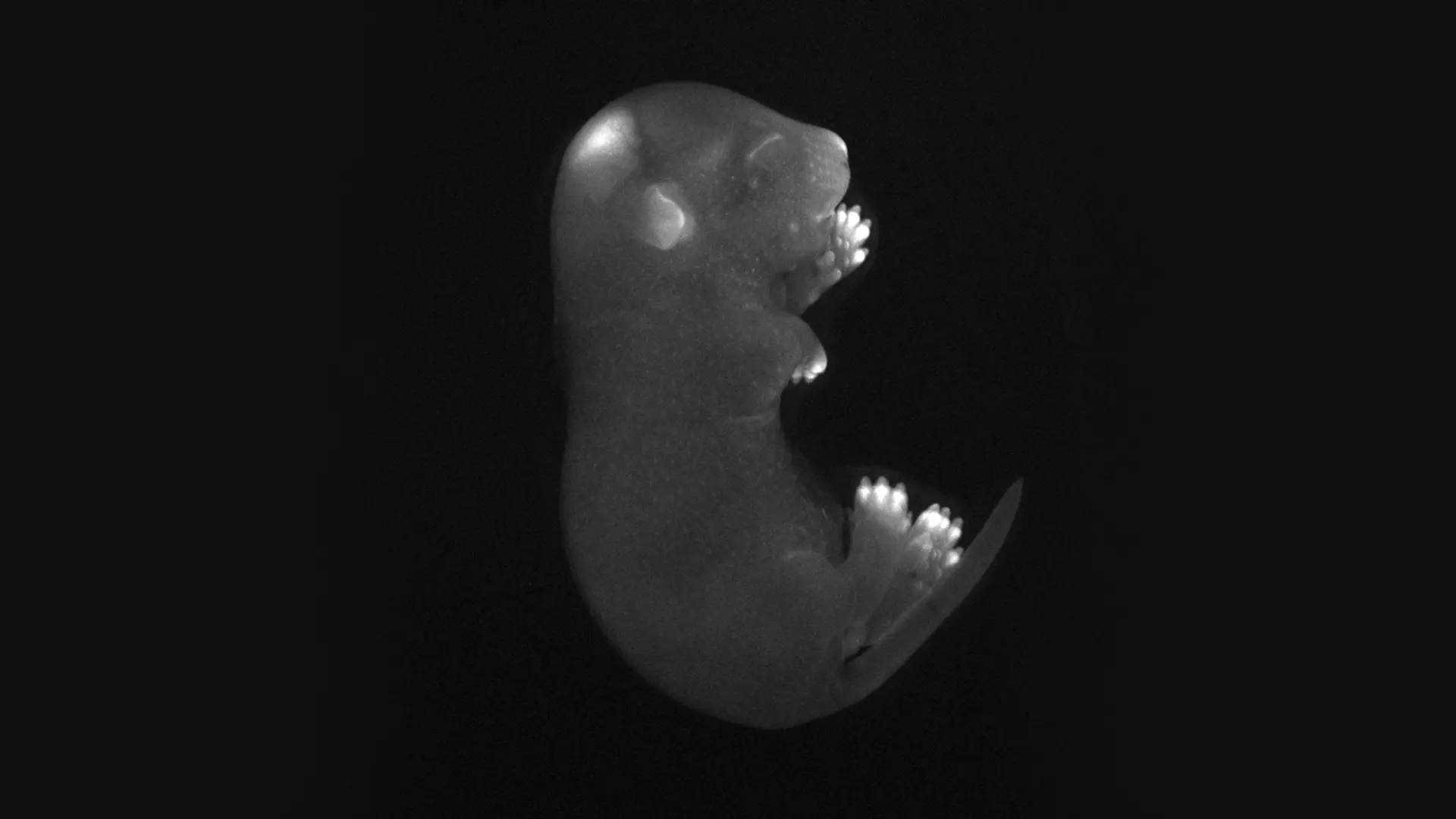
Understanding how limbs form in mammalian embryos is a central challenge in developmental biology. In this image, a mouse embryo near the end of gestation shows a silent “High five!”: its paws glow brightly, revealing where the Tfap2b gene is active—made visible by a fluorescent protein that lights up wherever the gene switches on. The image was rendered in grayscale to maximize the contrast of the genetic signal. The strongest signal appears at the fingertips and as a spot in the brain, while the rest of the embryo shows no fluorescence. This luminous display transforms complex genetic choreography into a vivid visual story, offering a direct window into the mechanisms behind the formation of complex structures in mammals—and into what can go wrong when this delicate balance is disrupted.
Highways for hydrogen
- Photographer
- Tess Seip
University of Toronto
- Alicia Battaglia
University of Toronto
- Aimy Bazylak
University of Toronto
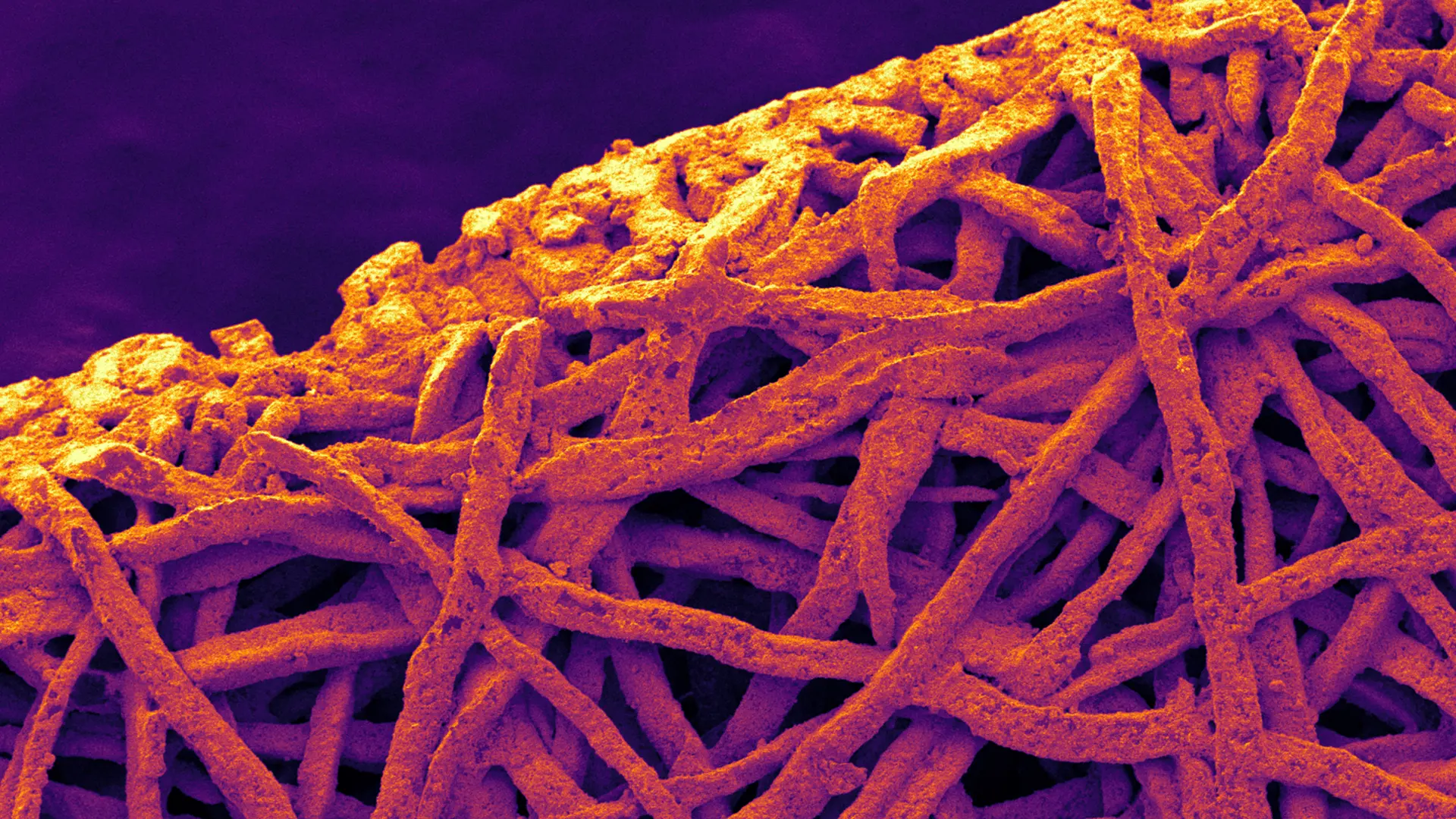
At first glance, this image appears to depict a chaotic tangle of fibres. In fact, it shows a porous transport electrode designed to manage electricity, water and gas inside a water electrolyzer (a device used to split water into hydrogen and oxygen). The intertwined titanium fibres form a conductive scaffold for the “clumps” of the catalytic agent that drives water-splitting reactions. The empty spaces between fibres are equally important: they ensure water reaches the catalyst while allowing gas to escape without blocking the reaction. The catalytic agent that enables water-splitting is among the most expensive elements of this process. Our research uses images like this one to better understand how the distribution and physical structure of the catalyst can enhance electrolyzer efficiency and lower costs. By linking structure to performance, we can design electrodes that do more with less catalyst, bringing a carbon-free hydrogen future one step closer to reality.
Like a deep-sea flower
- Photographer
- Barbara de Moura Neves
Fisheries and Oceans Canada
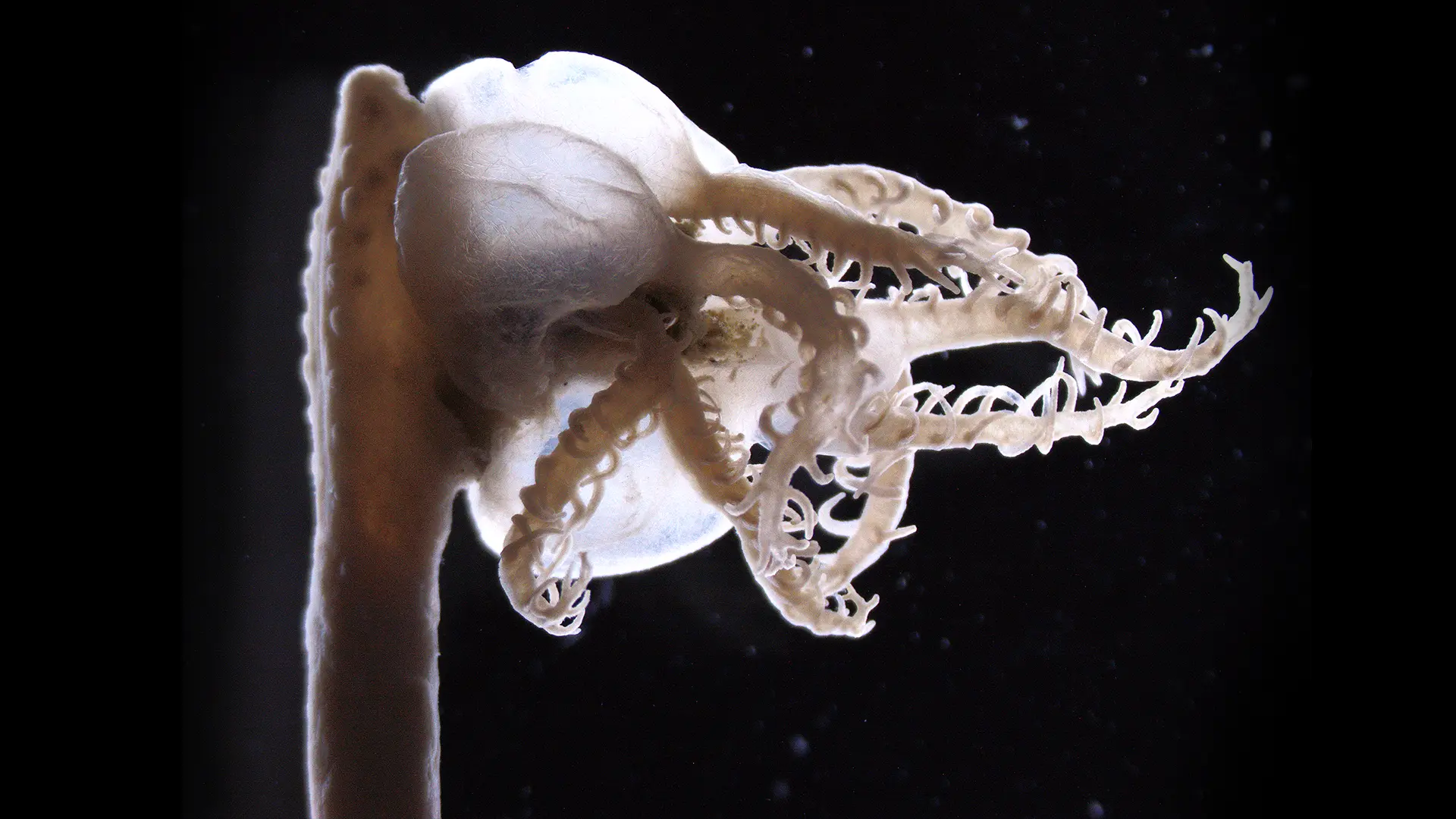
This fascinating deep-sea coral, or sea pen, belongs to the group of marine animals known as Anthozoa, whose name means “flower animals”. It might not be a flower, but it is just as delicate as one. This close-up shows an individual that was collected by chance at a depth of more than 1,000 metres during sediment sampling in Davis Strait, a waterway located in northern Canada between Baffin Island and Greenland. This coral has a short stalk topped by a single terminal polyp, which has eight tentacles covered with short lateral extensions known as pinnules. The tentacles capture food from the water and bring it to the coral’s mouth at the centre. It might look big—even menacing—but this individual is just over 2.5 cm tall. This sea pen has never been observed in Canada before, so the finding of this specimen may actually mark the discovery of a new species. Serendipitous discoveries such as this one contribute to our understanding of biodiversity.
Mitotic bloom: A stardust kinetic
- Photographer
- Suparba Roy
Université Laval — Centre de recherche du CHU de QuébecQuebec Network for Research on Protein Function, Engineering, and Applications (PROTEO)
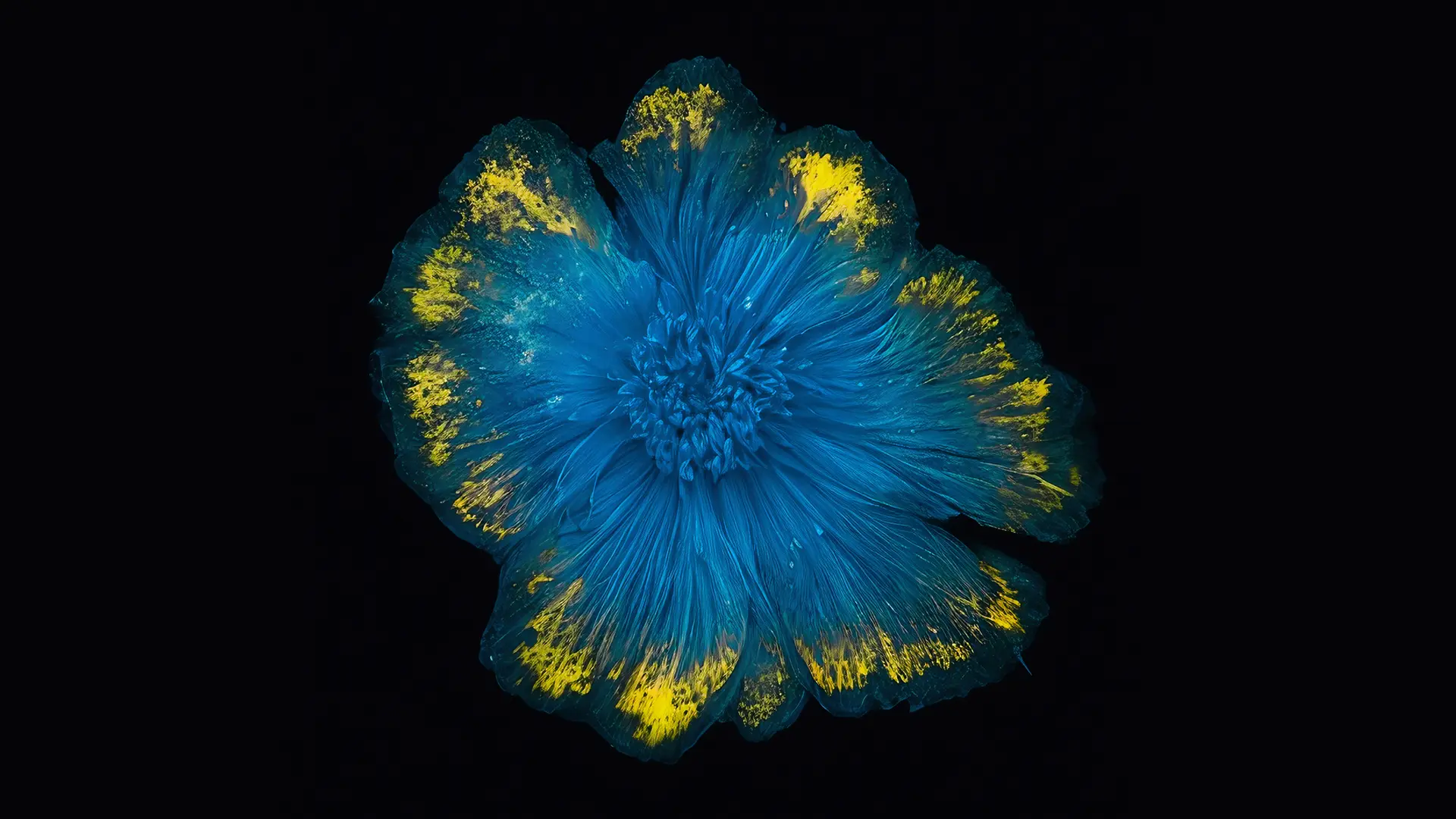
This image shows a cell nucleus lit up with fluorescent dyes—captured during prometaphase, the second stage of cell division (mitosis), when the nuclear envelope breaks down. The blue highlights the chromatin, which constitutes the core of the "bloom." Chromatin is a complex of DNA and proteins that forms the chromosomes found in human cells. The yellow "stardust" shows the phosphorylation of histone H3 at serine 10, a classic epigenetic marker needed for proper chromosome condensation and separation during mitosis. The cell shown is from a human colorectal cancer cell line.
Petri dish jellyfish
- Photographer
- Jasmine Fric
University of Windsor
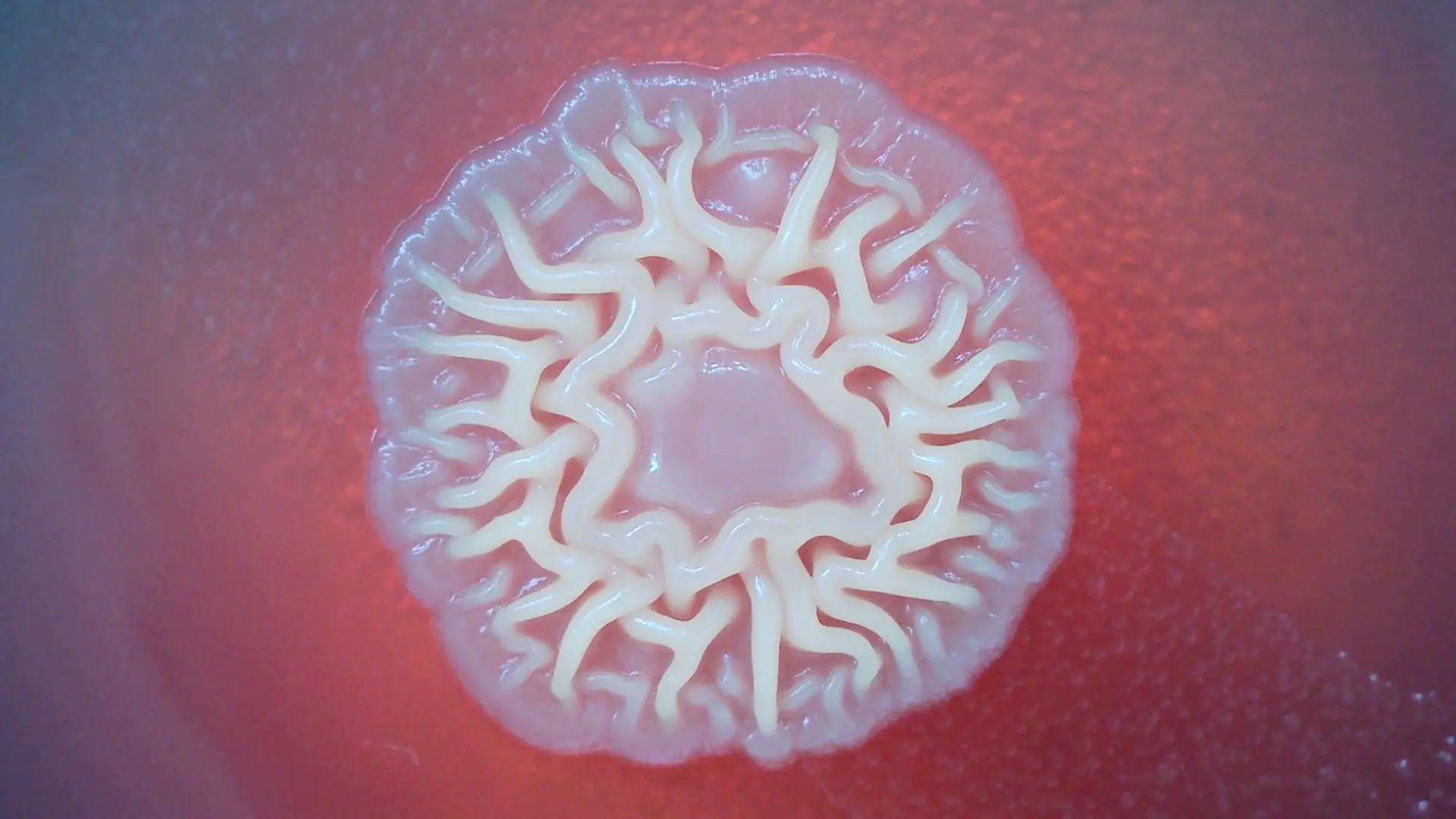
"We don’t make mistakes, just happy little accidents." That’s a quote from Bob Ross, an iconic landscape painter and TV personality. This image captures exactly that: a happy little accident. Overnight, an uninvited guest crept onto a blood agar plate meant to grow Streptococcus salivarius, a common mouth bacterium. Most life on the plate grew as expected, except for this little critter, radiating its pale, branching tendrils around a clear centre—just like a jellyfish. Our team’s goal was to harvest Streptococcus salivarius for laser induced breakdown spectroscopy to differentiate bacterial species. Instead, we were surprised by this little fellow!
Reflections of a social mind
- Photographer
- Elizabeth Zwamborn
Trinity Western University
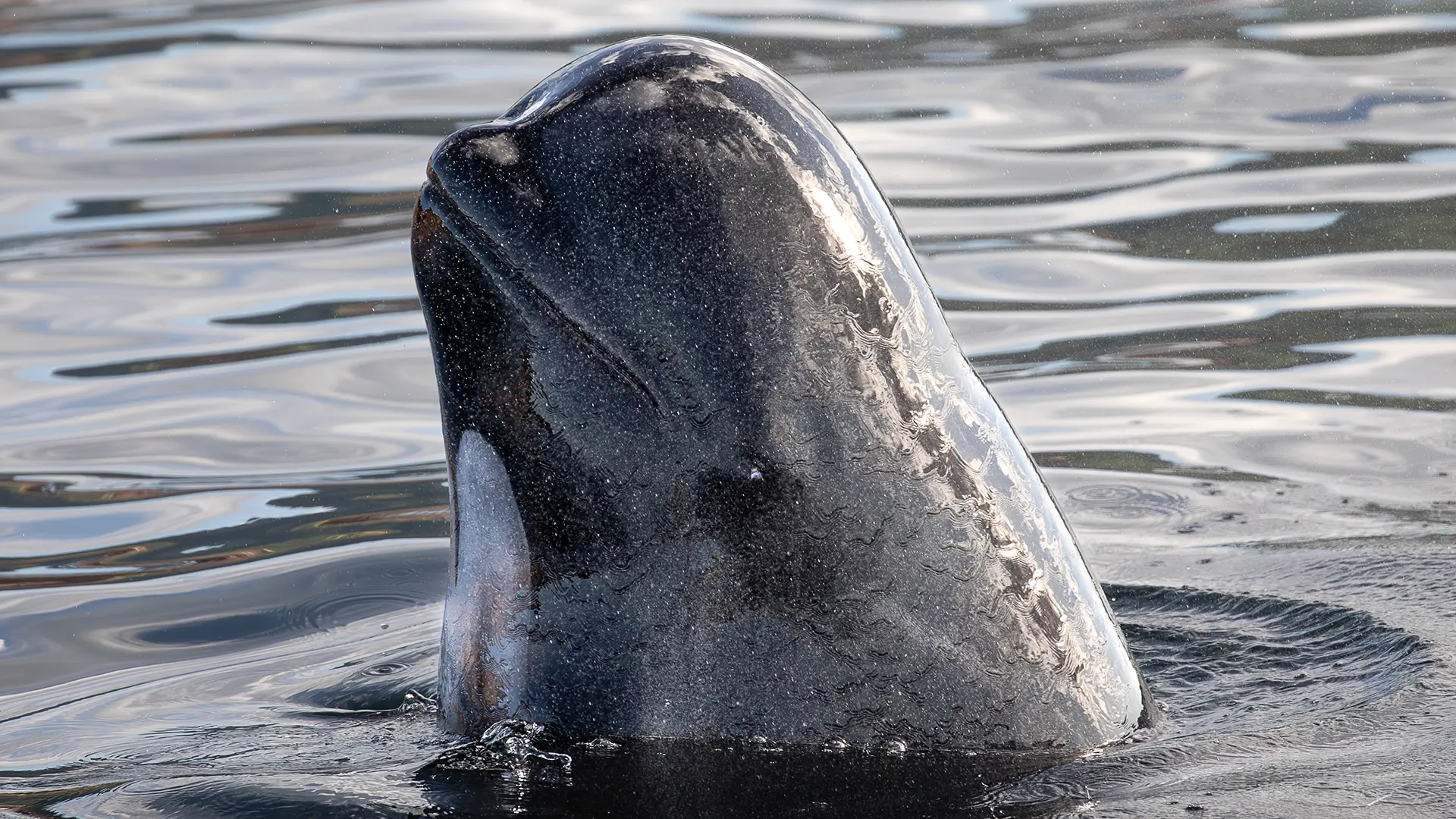
This image, captured off Cape Breton Island, Nova Scotia, shows a long-finned pilot whale (Globicephala melas) briefly lifting its head above the surface, a behaviour known as spyhopping. The moody lighting allows for a clear reflection of the sky across the whale’s dark skin, capturing a rare, intimate moment where air and water meet. This image was taken as part of our long-term study examining the social lives of pilot whales. Currently, our focus is on how individuals coordinate and make decisions within tightly bonded groups. By combining visual observations with data collected by drones, this research contributes to a deeper understanding of the day-to-day lives of pilot whales. Knowledge of group life in this species is especially important for understanding why they sometimes strand together in large numbers (a phenomenon commonly known as beaching), and for identifying when and how we might be able to intervene in such events.
Shaped by sound
- Photographer
- Deborah Braide
Polytechnique Montréal
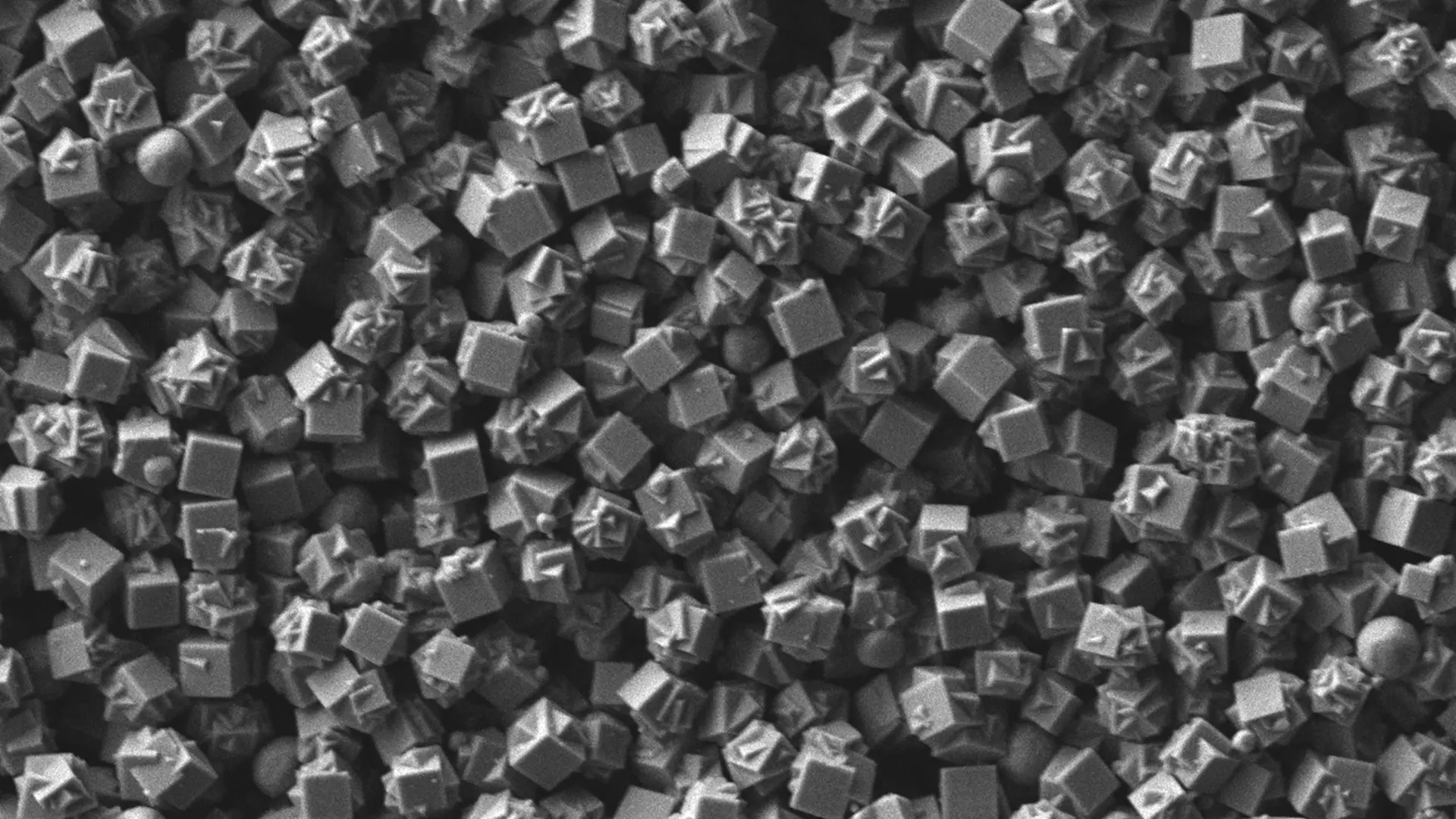
Water removal improves the efficiency of carbon dioxide conversion to clean fuels. Water-selective membranes play a key role in this process, but performance depends on their microscopic structure. The cubes shown here are fundamental building blocks of zeolite A membranes. Toxic chemical templates are usually required to form these structures, but this image captures a greener approach: the use of high-frequency ultrasound. Soundwaves beyond the range of human hearing (above 20 kHz) create microscopic turbulence in the mixture; this energy guides the formation of crystals and helps them grow into well-defined structures. These crystals reflect how order develops through interactions with surrounding conditions. Just as sound shapes these crystals, subtle forces and constraints often shape growth patterns in materials and life.
Shifting coastlines
- Photographer
- Celeste Cunningham
St. Francis Xavier University
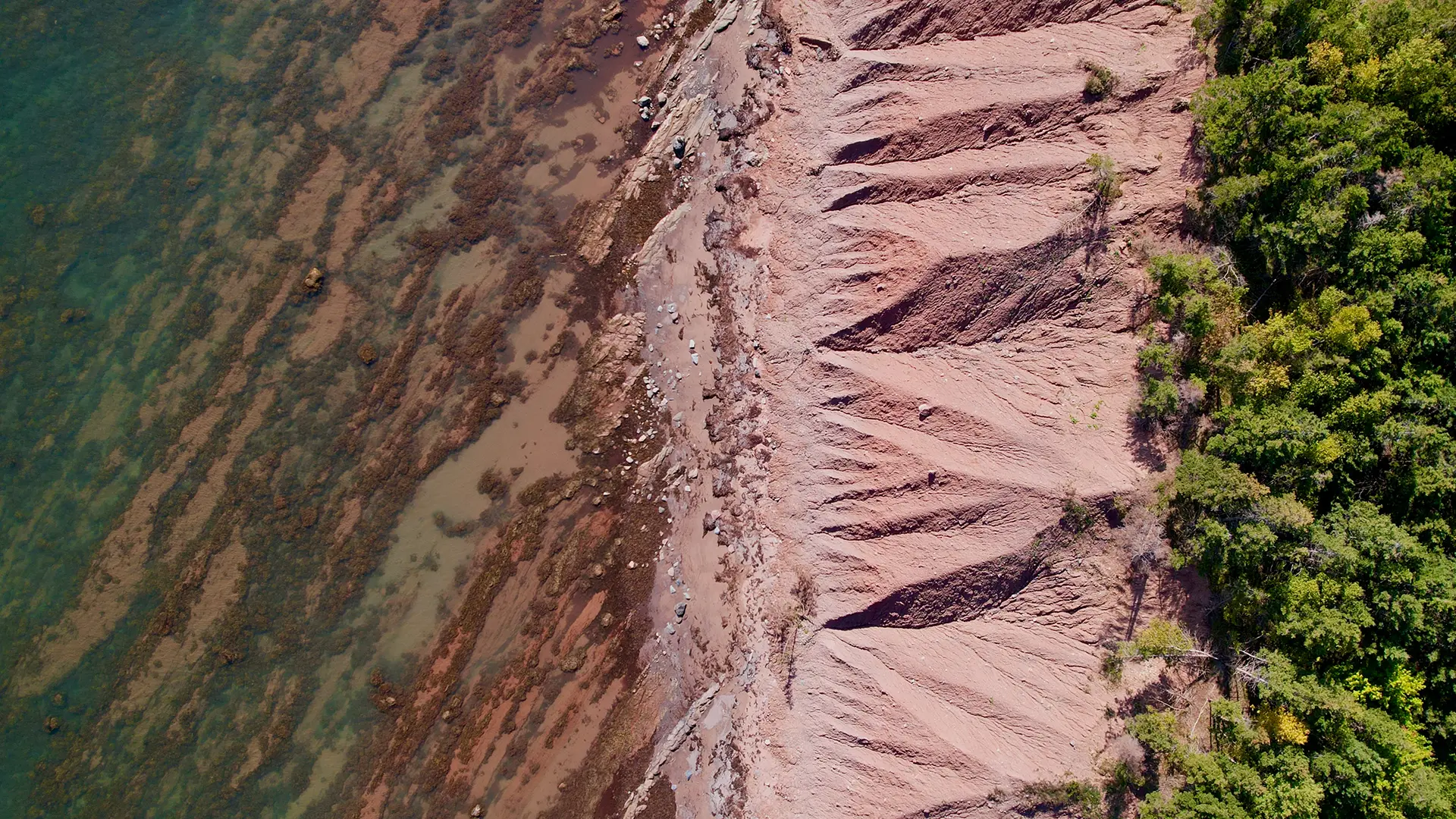
Rising sea levels, human activity, and changes in wave and weather conditions have made coastal erosion a problem worldwide—with more than 600,000 people living in at-risk regions in Canada alone. This image shows a stretch of coast along Nova Scotia’s northern shore that is facing rapid coastal erosion. The 350-million-year-old bedrock is visible beneath the water. The scenic cliffs at the shoreline are made of loose sediment left behind by glaciers after the last ice age. Erosion by rain, storm waves and groundwater seepage has formed characteristic gullies in the cliffside and threatens the homes of nearby residents. Our community-based research aims to map the rate of coastal erosion and identify the areas of highest risk in order to inform mitigation strategies and best practices to reduce future risk.
The forbidden kiss
- Photographer
- Amir Kafaei
Université Laval
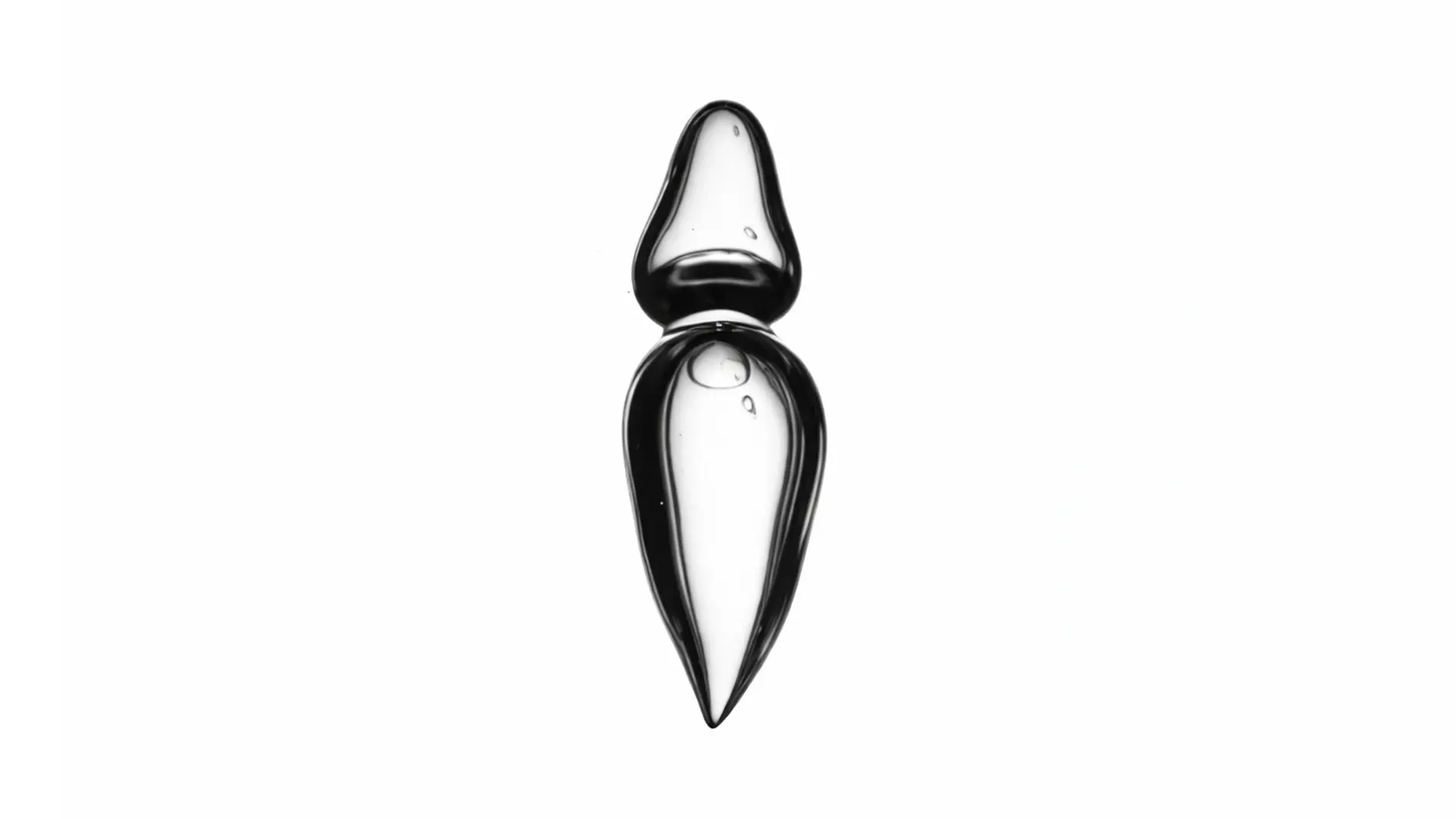
In the world of fluids, intimacy usually has consequences: when bubbles touch, they merge instantly. But inside a complex polymer gel, the rules of attraction change. This image captures a "forbidden kiss" between two air bubbles. Originally trapped by the gel’s resistance to flow (its yield stress), the bubbles were freed by vertical vibrations. The larger bottom bubble, rising faster, chased down its smaller companion. We captured the millisecond when they touched, the bottom bubble tapered into a sharp cone while the top bubble sat atop it. The gel’s unique properties acted as a shield, preventing the bubbles from merging: instead of becoming one, they exchanged momentum, separated, and continued to rise separately. Beyond the lab, understanding how vibrations release bubbles trapped in everyday products such as fresh concrete, drilling muds and cosmetic gels is key to ensuring the safety and quality of such products.
The mitotic meridian
- Photographer
- Aaron Dhanda
STEMCELL Technologies
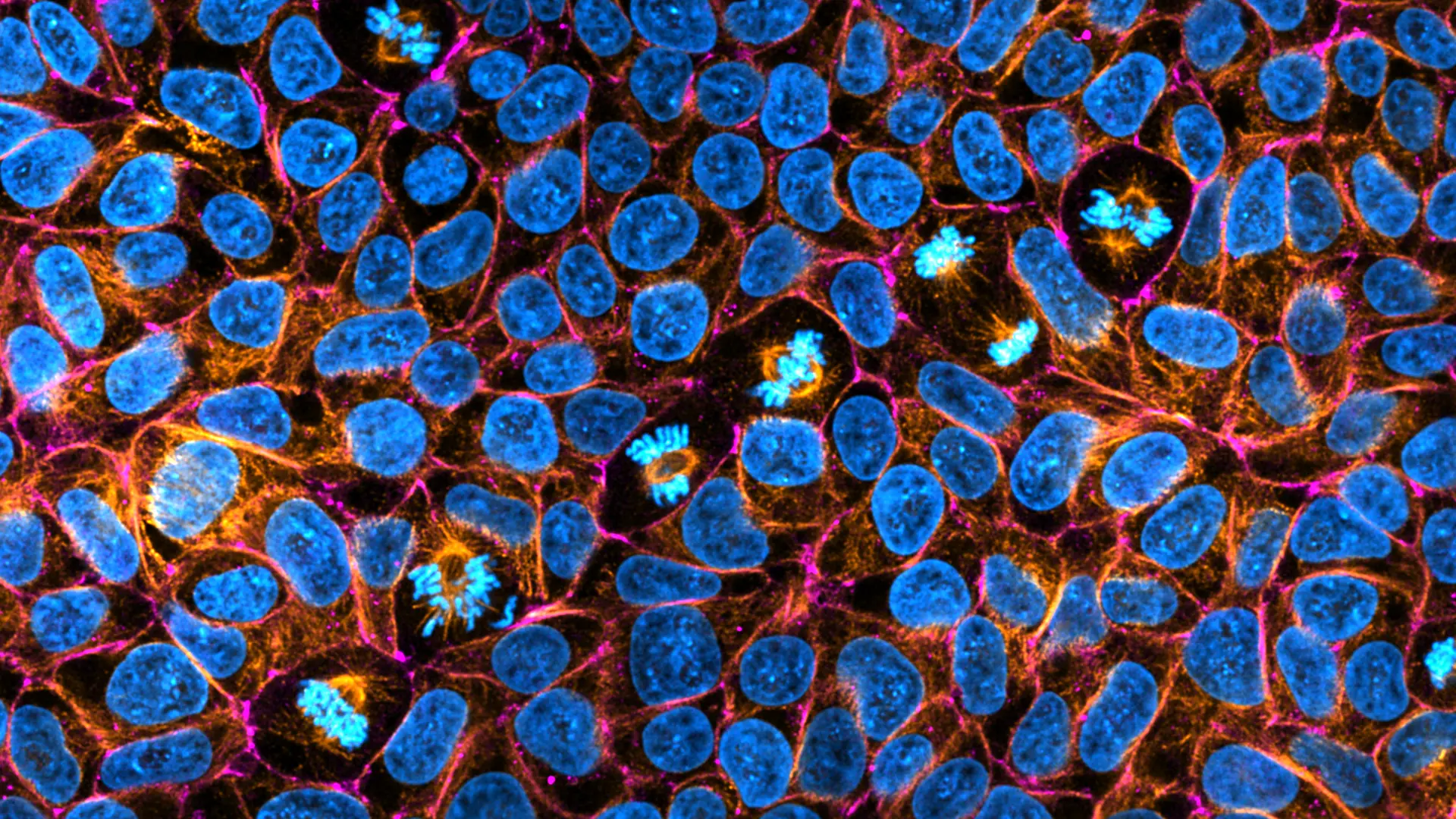
Modern medicine is being transformed by induced pluripotent stem cells—adult cells that have been "reprogrammed" back into an embryonic-like state, giving them the ability to become any cell type in the human body. This image captures a colony of these master cells. Stretching diagonally across the image, a "timeline" of mitosis (cell division) unfolds. DAPI, a fluorescent cyan dye, illuminates bundles of chromosomes captured during division. The chromosomes are maneuvered by tubulin fibres (shown in orange) that form the mitotic spindle, the mechanical engine of division. In magenta, a dye marks the actin cytoskeleton—the scaffolding that defines the borders of each cell. By directing the fate of these induced pluripotent stem cells, we can engineer healthy neurons to treat Parkinson’s disease, insulin-producing cells for diabetes, and retinal cells to restore sight, making personalized healing a reality.
What tires leave behind
- Photographer
- Ridwan Alabi
University of Alberta
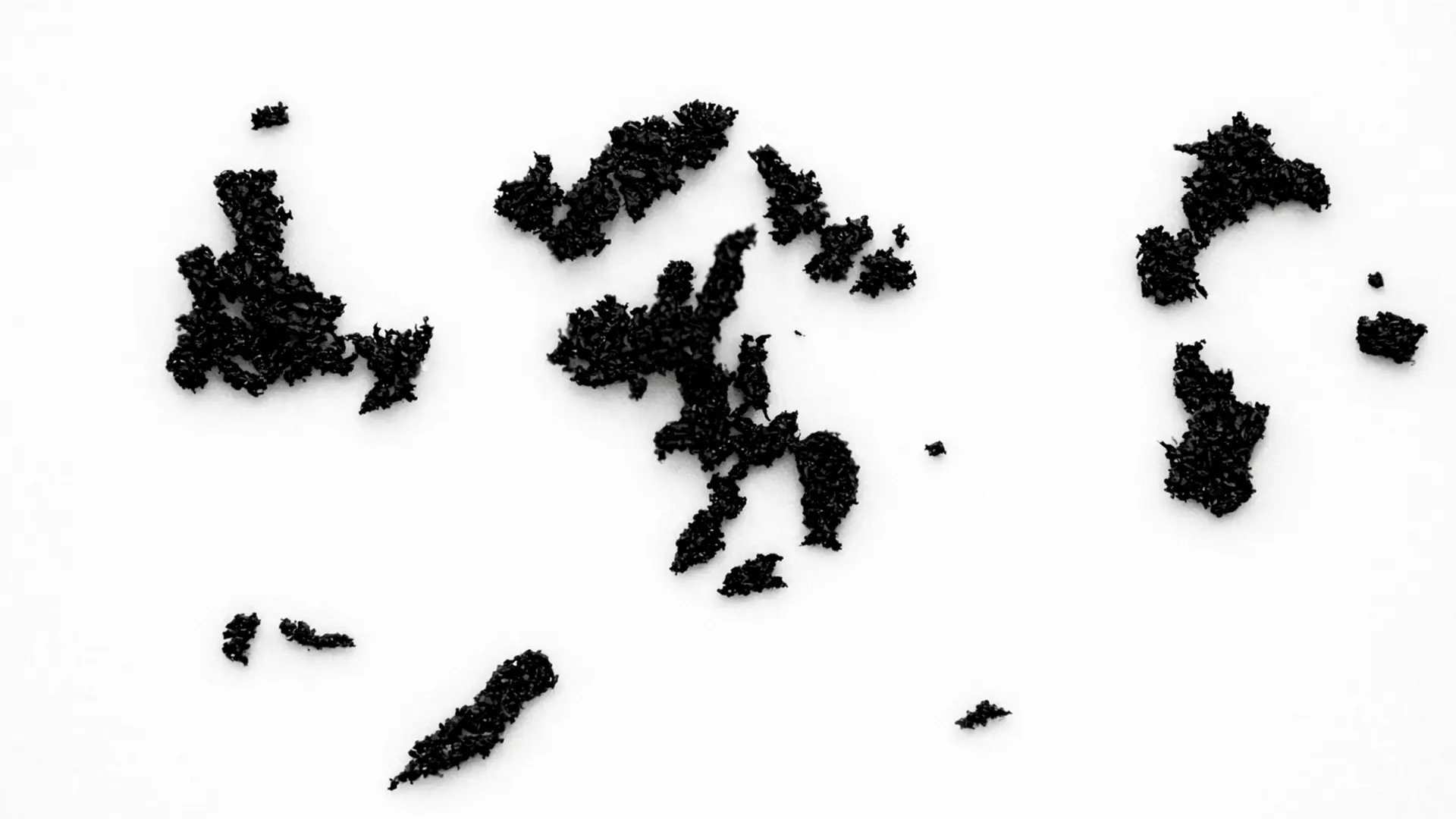
Every time a vehicle moves, its tires shed microscopic fragments due to friction with the road surface. This image shows tire wear particles extracted from roadside soils and magnified under a microscope. The dark, irregularly shaped particles are rubber-rich fragments formed through everyday driving. Unlike exhaust emissions, these particles are produced through mechanical abrasion—physical wear rather than combustion. Once released, tire wear particles accumulate in soils and sediments and can be carried into nearby waterways by runoff. Because they are small and produced gradually, they often go unnoticed despite their continuous release. My research investigates how these particles move, settle, and persist in the environment. My goal is to understand how transportation contributes to microplastic pollution and to help guide the development of strategies for managing its environmental impact.
Where the whip-poor-wills will
- Photographer
- Victoria Pepe
University of Waterloo
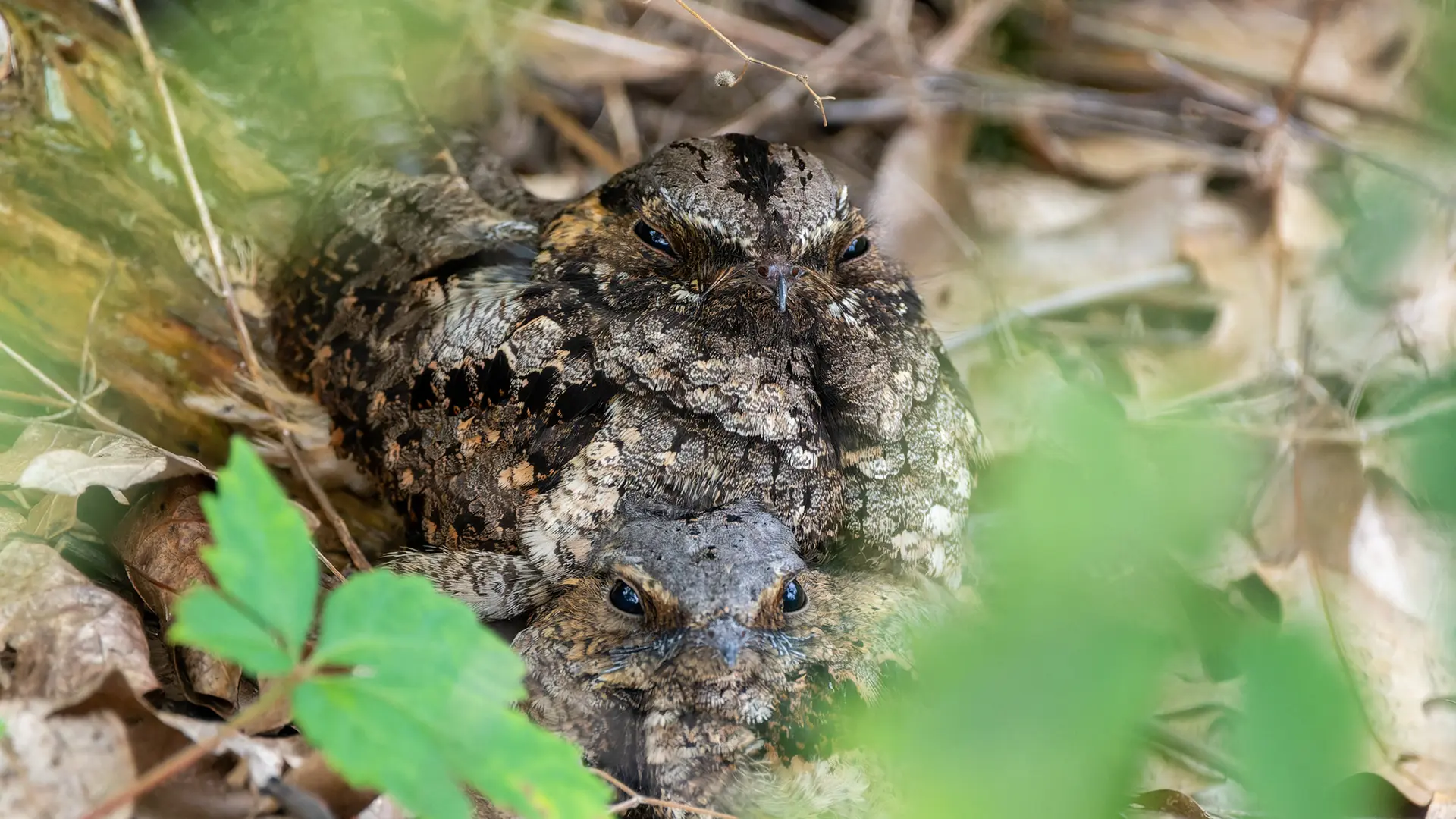
The Eastern Whip-poor-will is a charismatic, well-camouflaged bird that is more often heard than seen. This species, which eats insects while in flight, has experienced substantial population declines over the past five decades due in large part to habitat loss and declining insect populations. My research examines how Eastern Whip-poor-wills select habitat on their breeding grounds. Because they nest on the ground, whip-poor-wills are vulnerable to predation. This picture captures their remarkable camouflage that allows them to blend seamlessly into their surroundings. Look closely and you will see that there are two whip-poor-wills, a mother and her month-old chick. By investigating the habitat requirements of these birds during their reproductive period, we aim to provide information that can guide conservation strategies.
Zooming in on the complexities of behaviour
- Photographer
- Brogan Stewart
Concordia University
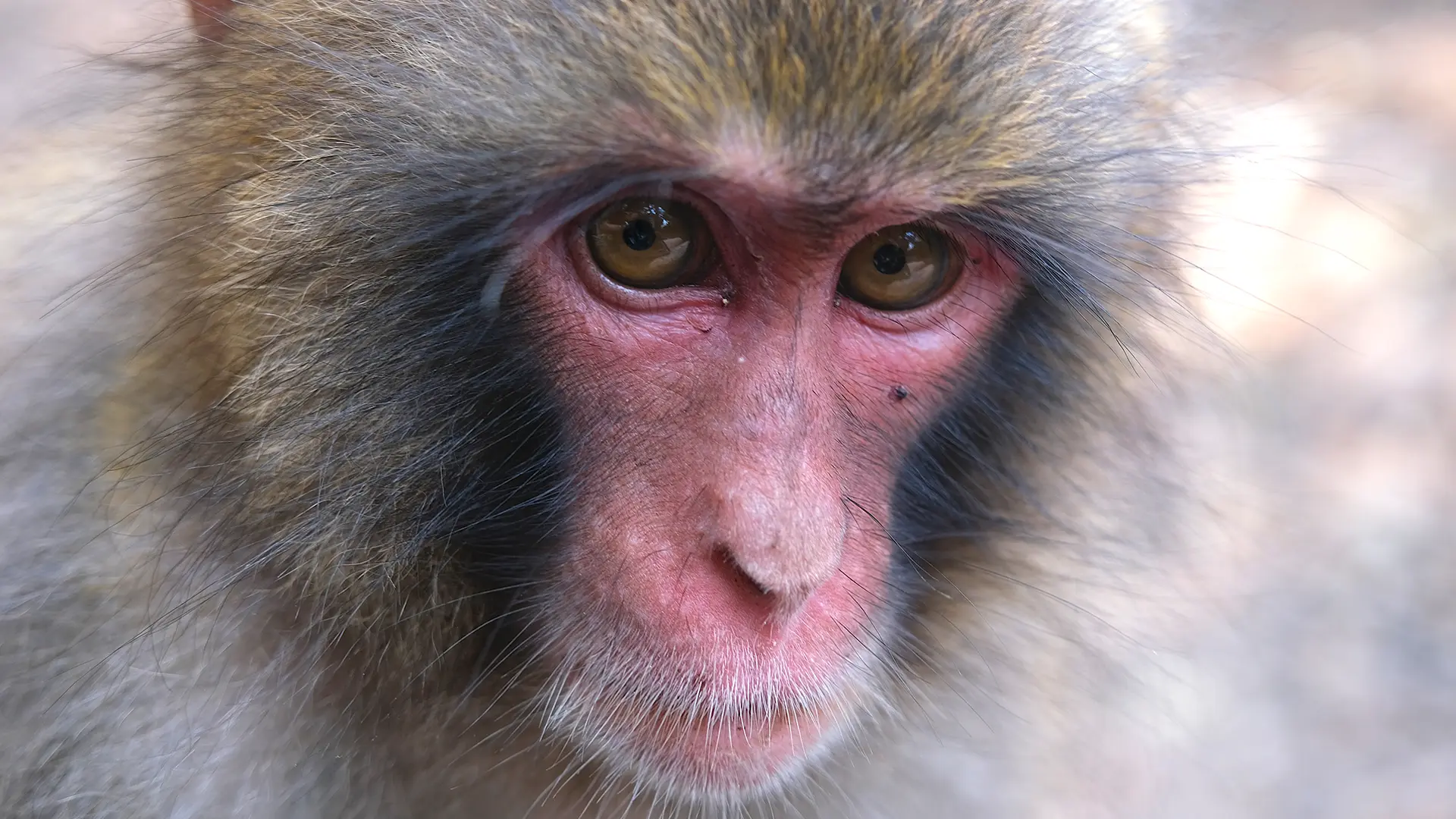
An animal’s behaviour is a reflection of both its internal state and its surrounding environment, and studying it can shed light on how species adapt and respond to different pressures. This photograph shows a close-up of Gura, a free-ranging Japanese macaque from one of my study groups in Japan. My research examines how varied and structured an animal’s behaviour is, a measure known as behavioural complexity. Using fractal analysis, a mathematical method for detecting similar patterns across different scales, I quantify subtle behavioural patterns to assess how physical condition and environmental context influence behaviour. My long-term goal is to develop methods to identify early signs of stress or compromised condition before symptoms become visible. A better understanding of these signs will contribute to a more accurate assessment of animal welfare, better conservation monitoring, and non-invasive health evaluation across animal populations.